Buyer knowledge center
Make Better Speaker-Component Sourcing Decisions
Practical guides for material selection, OEM development, supplier verification, manufacturing control and cross-border purchasing.
Browse by buyer task
Find the answer by the decision you need to make
Choose a material
Compare IIR, EPDM, NBR, SBR, foam and other elastomer families by application.
Explore guidesPlan an OEM project
Understand samples, tooling, MOQ inputs, lead-time dependencies and approval gates.
Explore guidesVerify a supplier
Review factory evidence, quality controls, documentation and sourcing risks.
Explore guidesUnderstand the part
Learn how surrounds, cones and passive radiators affect the finished system.
Explore guidesBuyer essentials
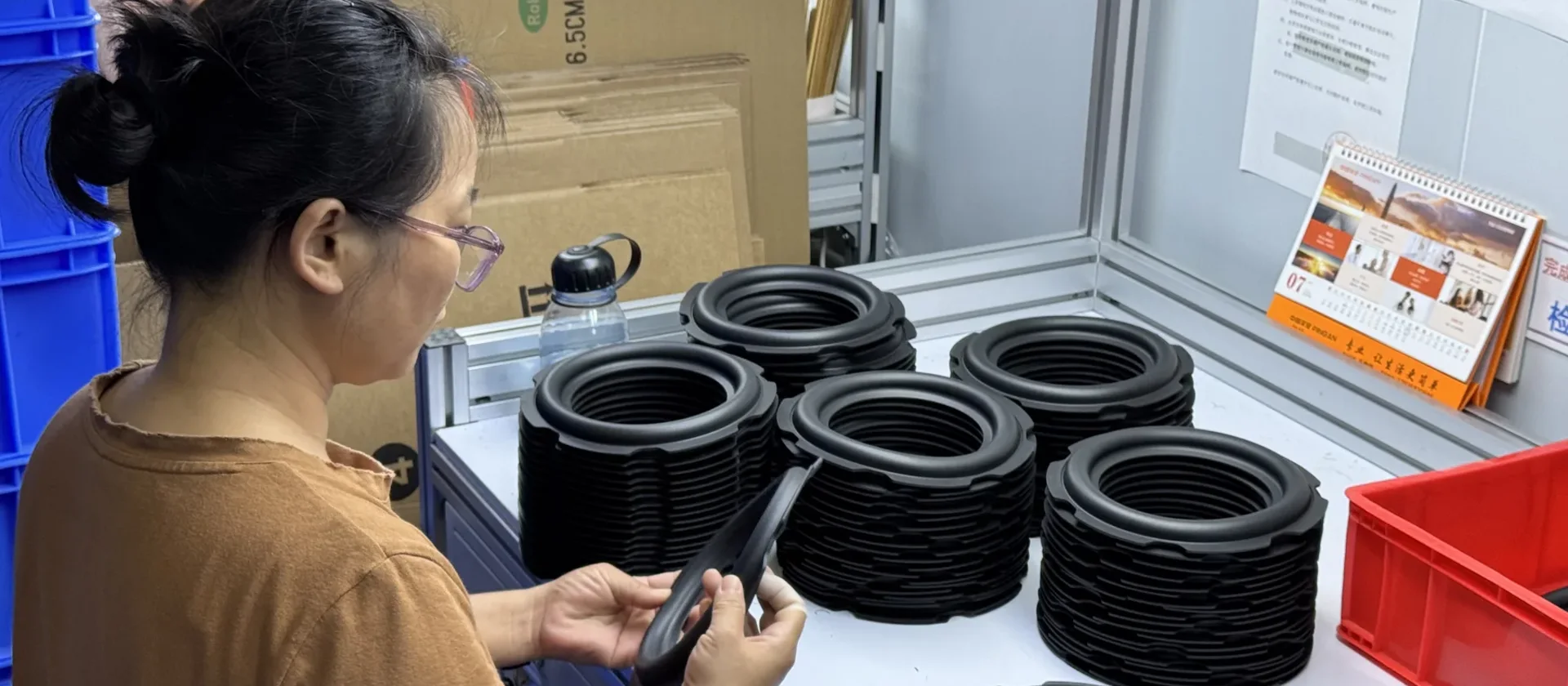
Start here before sending an RFQ
Three practical guides covering how parts are made, how to verify a supplier and how an OEM project is approved.
 Manufacturing
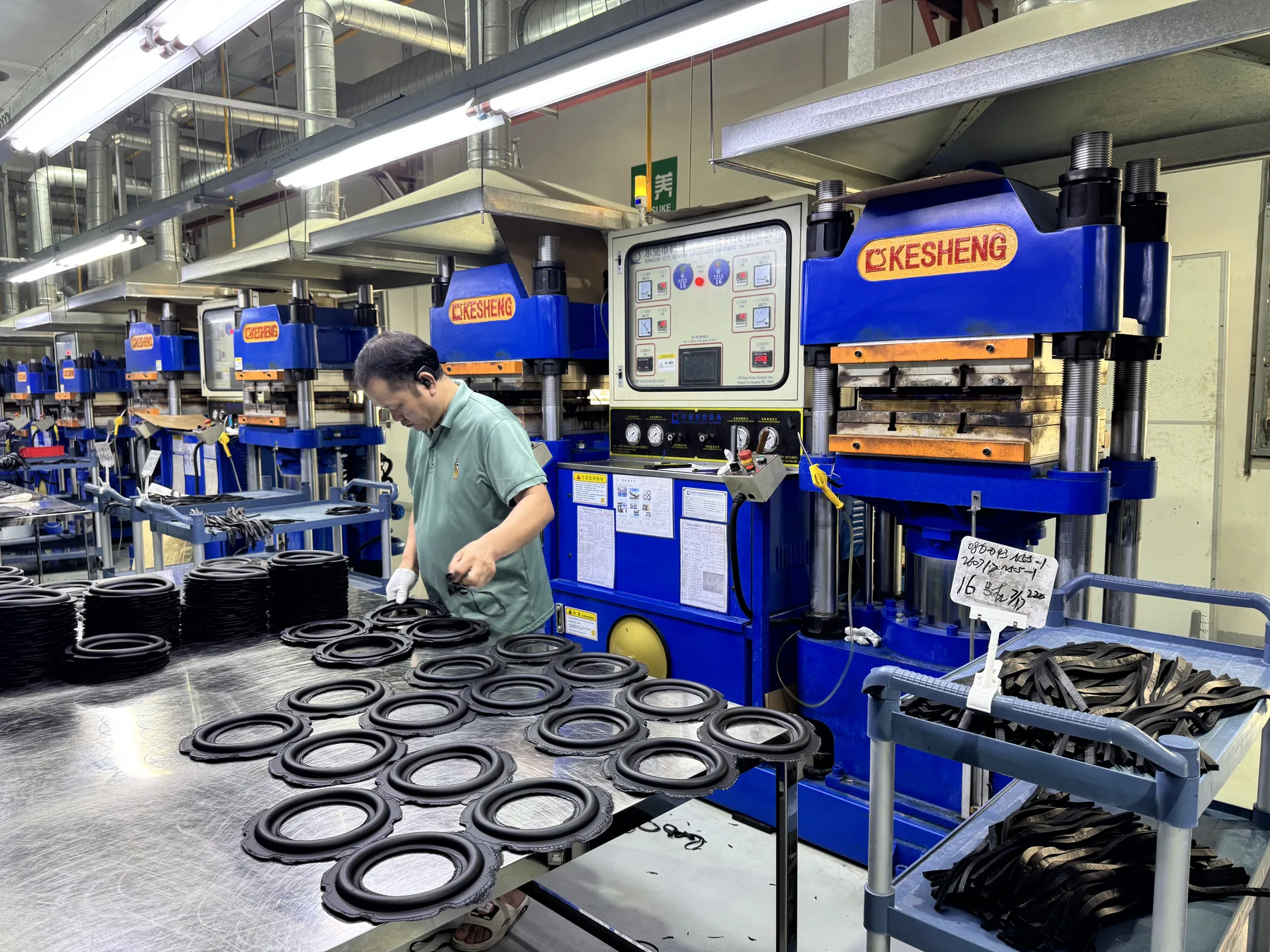
How Speaker Rubber Components Are Made
A speaker surround may look simple when it reaches an assembly line, but its consistency begins much earlier. This factory walkthrough follows the real route from weighed rubber compound to molding, visual inspection and dimensional checks.
Read more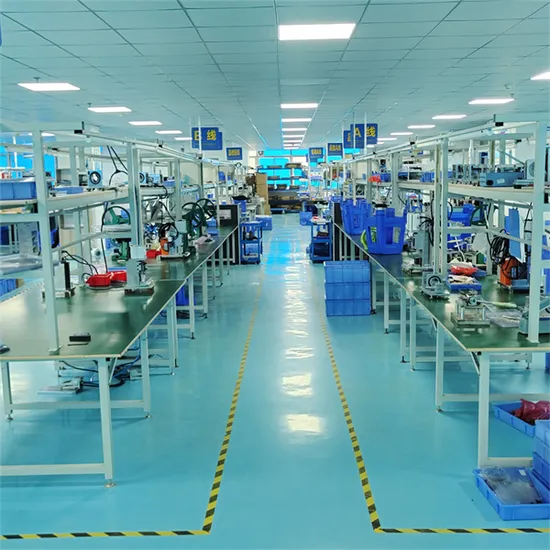 Sourcing Guides
How to Verify a Chinese Speaker Parts Factory
Verifying a Chinese speaker-parts factory comes down to measurable proof, not a nice catalog. This buyer's guide covers how to verify rubber compounding and molding, the QC controls that matter, the acoustic tests worth asking for, and how to lock samples before bulk.
Read more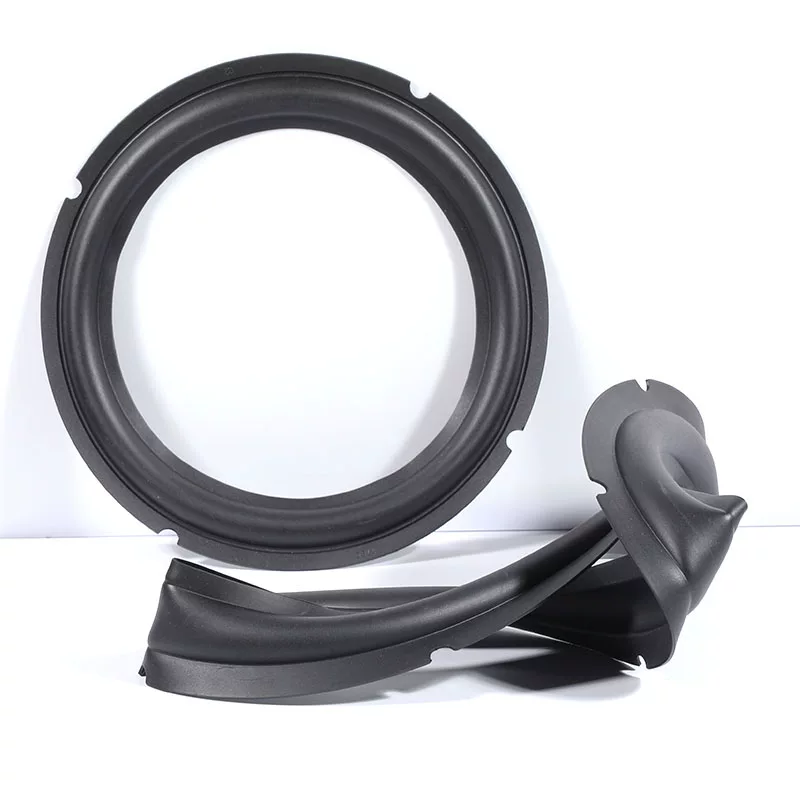 Buying Guides
OEM Surrounds: Samples, Tooling, MOQ and Lead Times
An OEM surround quote isn't one number — it's a sequence of decisions about sampling, tooling and minimums that either goes smoothly or eats three weeks in email. Here's how the process actually runs, from a first sample box to a signed-off production run, and what to put in your RFQ so nobody has to ask twice.
Read moreLatest research & guides
Continue exploring the knowledge base
Filter by topic or browse the latest published analysis.
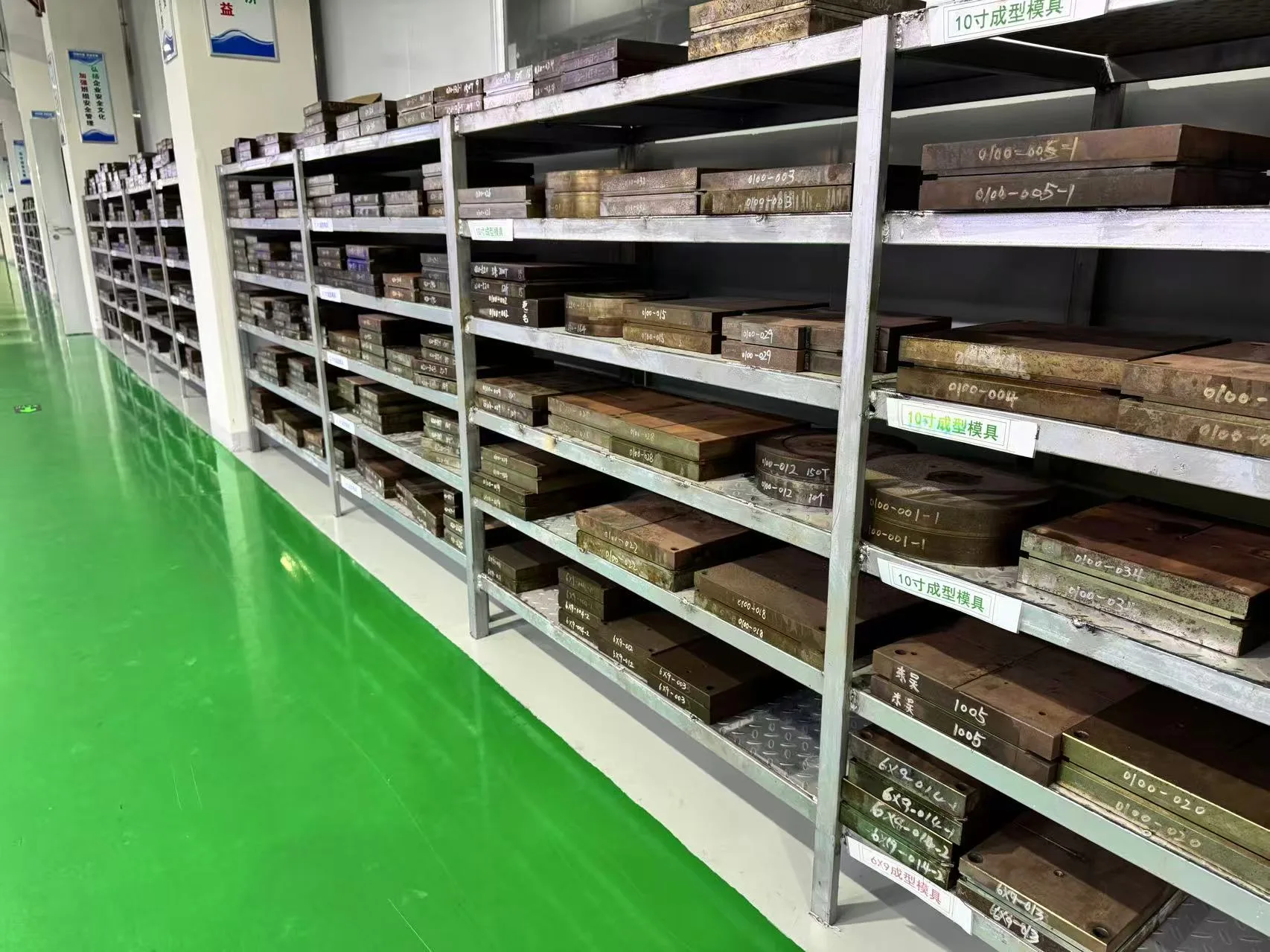 Manufacturing
How Speaker Gaskets Are Made: Foam vs Molded Rubber
Speaker gaskets look simple until the mounting face is uneven, the enclosure sees weather, or the seal has to survive repeated assembly. This guide compares die-cut foam with molded rubber and follows the decisions from interface geometry to inspection.
Read more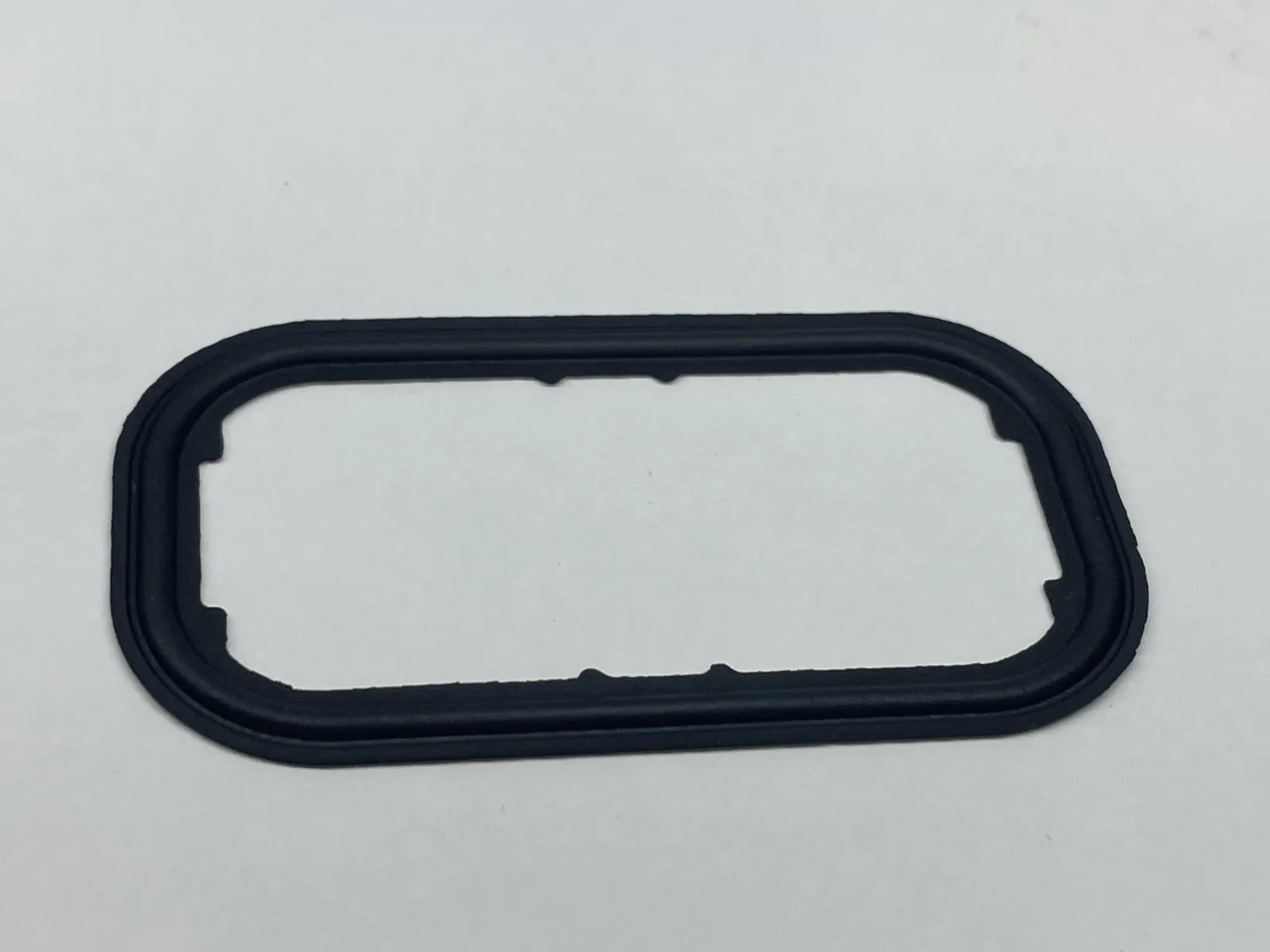 Comparisons
Rubber vs Foam Speaker Gaskets: A Buyer’s Selection Guide
Rubber and foam speaker gaskets can both seal a driver to its mounting surface, but they behave differently under compression, heat, weather and repeated assembly. This guide helps buyers choose by application and prepare a clearer RFQ.
Read more Trade & Tariffs
What the July 24 Section 122 Expiry Means for Speaker Component Buyers
The Section 122 global 10% tariff automatically expires July 24, 2026. Here is what changes for speaker surround, gasket, and diaphragm importers — plus the Section 301 rates that stay.
Read more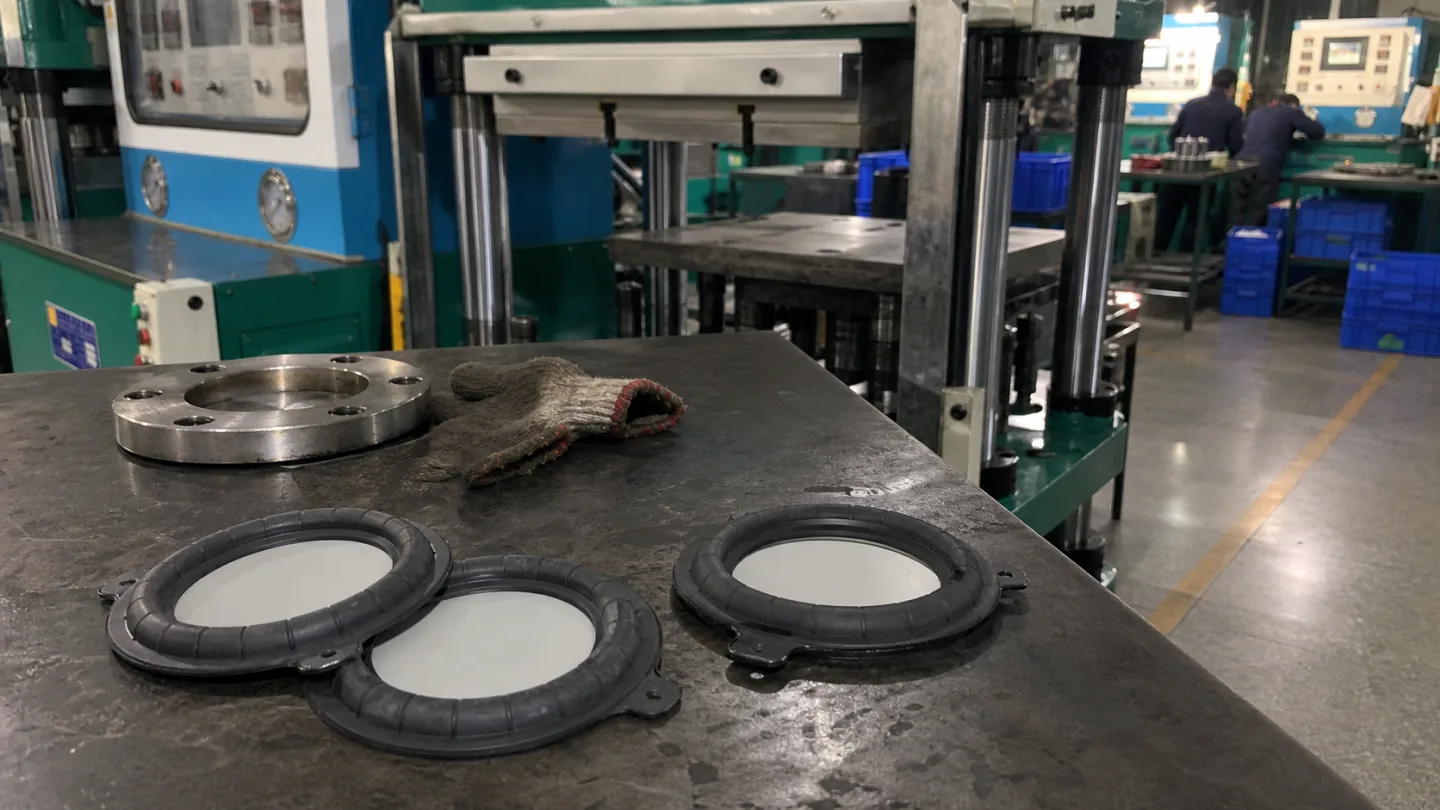 Rubber Materials & Properties
IIR (Butyl) Rubber: The Material Behind Most Speaker Surrounds
Pull the grille off almost any serious woofer and the black ring around the cone is butyl. This guide explains the three properties that put IIR there — internal damping, extremely low gas permeability, and ageing resistance — plus where butyl is the wrong call and how a surround gets validated on the line.
Read more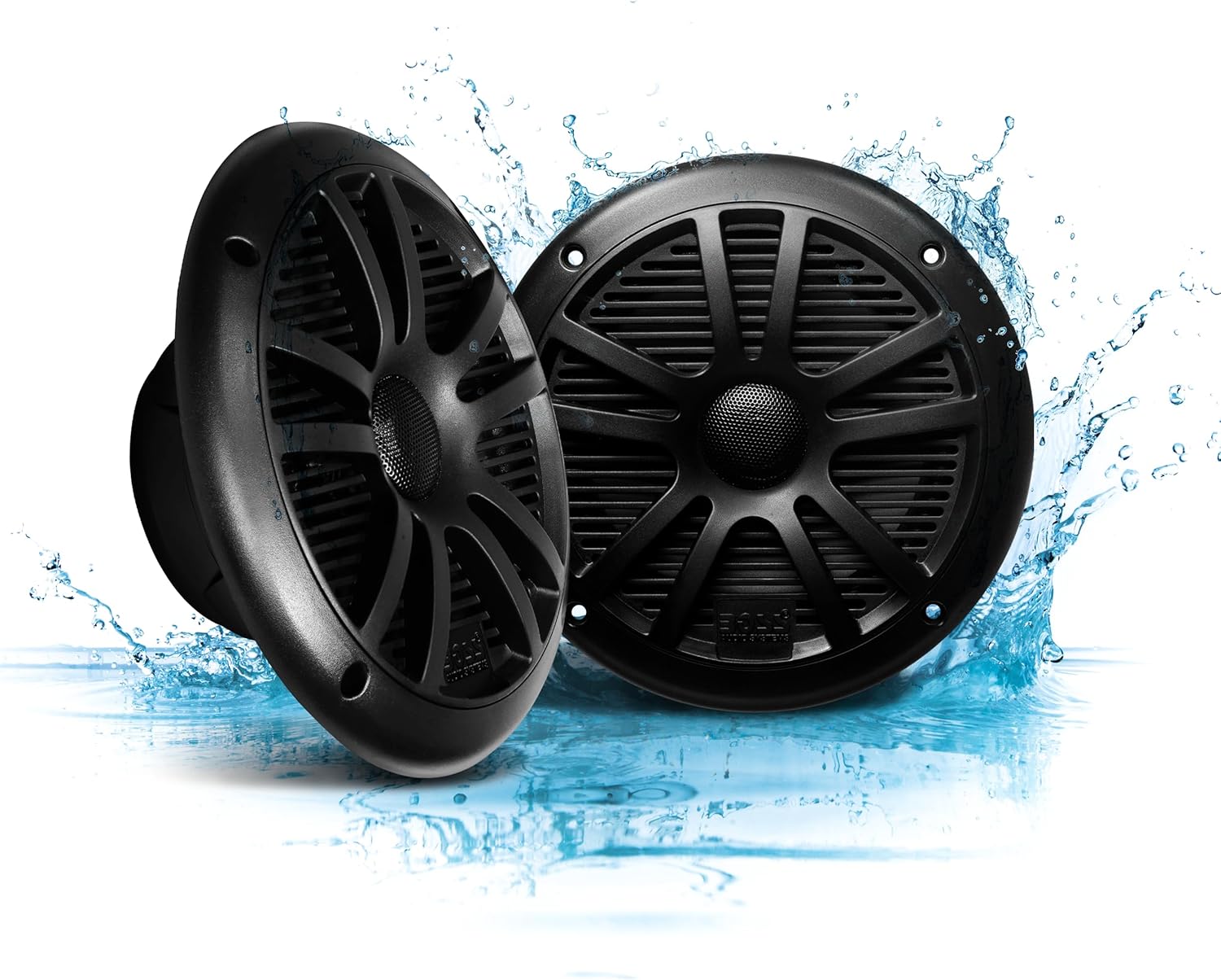 Applications
Surrounds for Marine and Outdoor Speakers
Marine and outdoor speakers lose their surrounds to UV, ozone, salt spray and heat cycling long before anything else on the driver gives out. Here is what actually causes that failure, why EPDM is the compound to reach for, and the testing that separates a real "marine grade" claim from a label on a spec sheet.
Read more Case Studies
From Drawing to Container: How a Custom Surround Gets Made
A custom surround project rarely goes from drawing to bulk in one pass — it goes through a mould, a first sample, an F0 test that tells an inconvenient truth, and usually one more round before anyone signs off. Here is what that back-and-forth actually looks like, told through one illustrative development from brief to container.
Read more Product Basics
What a Passive Radiator Really Is (the Driver With No Motor)
A passive radiator looks like a woofer but has no magnet, no voice coil, and no wire — it just moves. This is what that diaphragm is doing inside a sealed cabinet, why brands reach for it instead of a port, and how the rubber tuning surface itself gets made and matched to spec.
Read moreProduct BasicsSpeaker Gasket Guide: Types, Materials, Sealing and Sizing
A speaker gasket seals the fixed joint between a driver frame and its baffle or enclosure. This guide explains where it sits, how it differs from a surround, which dimensions and materials matter, and what to provide when matching or developing one.
Read more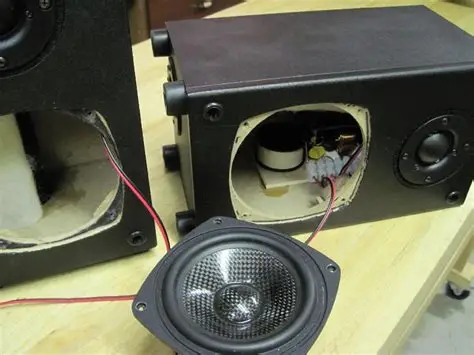 DIY & Enthusiast
How to Re-Foam a Woofer: Diagnose, Measure and Re-Center
Re-foaming can restore a woofer when the foam surround has failed but the cone, voice coil and other suspension parts remain serviceable. This guide starts with diagnosis, then covers measurement, cleaning, gluing, centering and the points where a repair should stop.
Read moreFrom research to RFQ