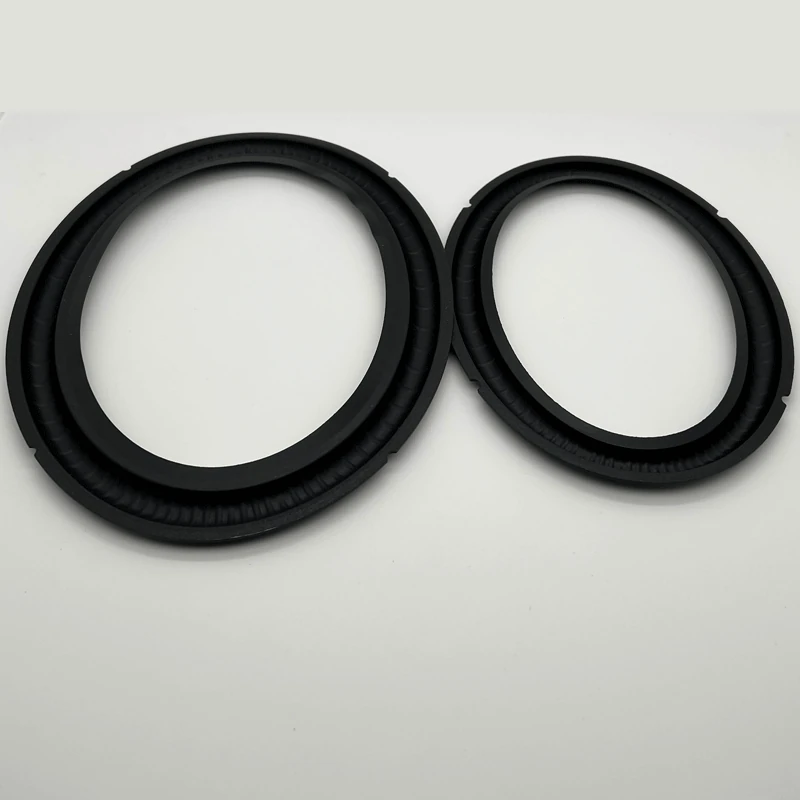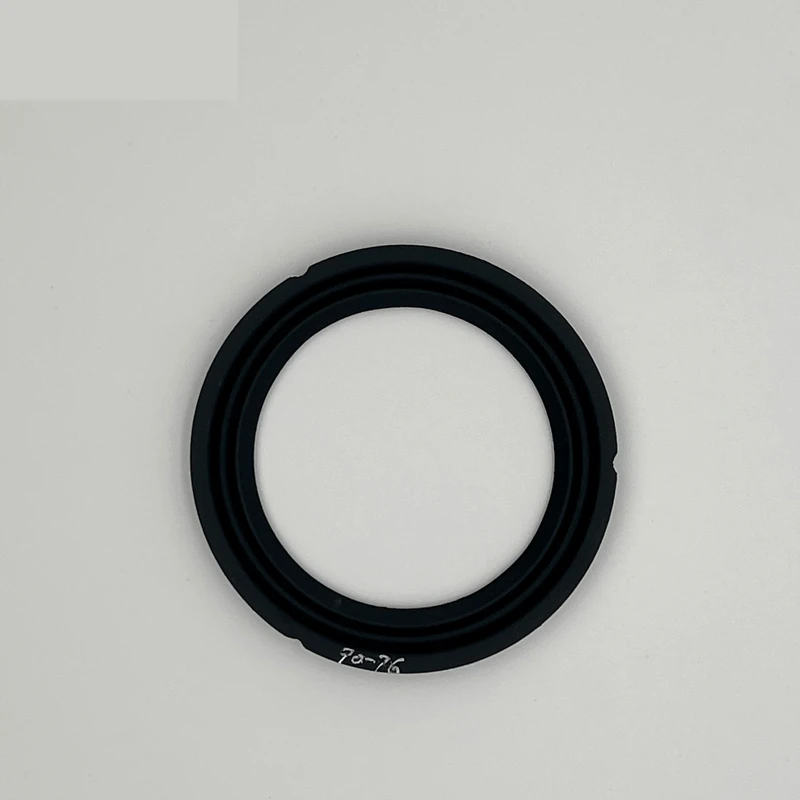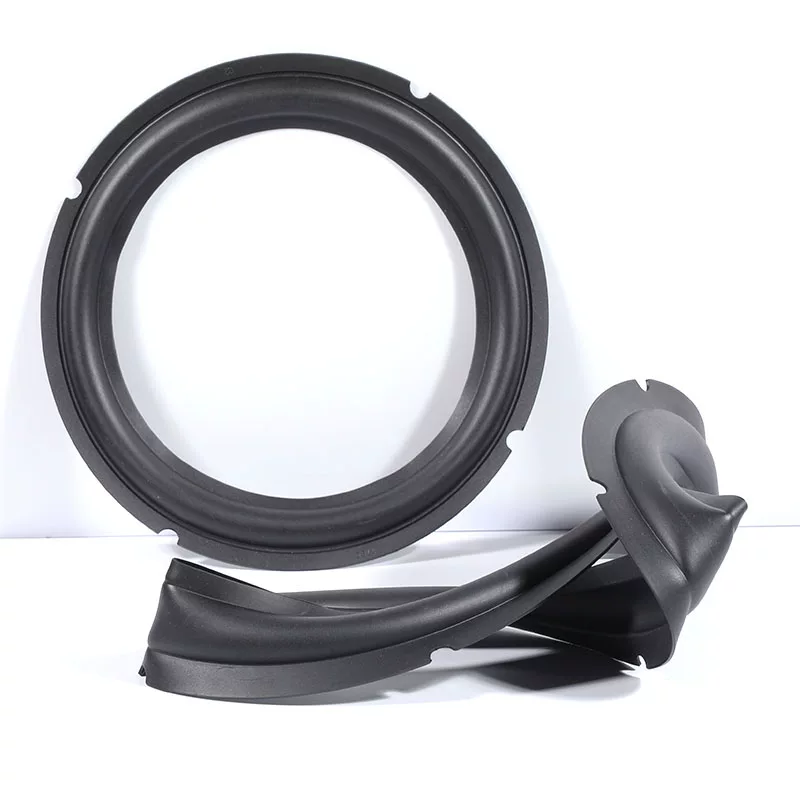
The email usually starts the same way: "Can you quote 2,000 units of this surround?" And the honest answer is not a number — it's a question back. Existing profile or new tooling? Catalog size or something you measured off a competitor's driver? Because those two answers change the timeline by weeks and the minimum order by a factor of five.
Most delays in OEM sourcing aren't the factory being slow. They're buyers and factories talking past each other for a round or two before anyone asks the right question. Here's the sequence as it actually runs, so your first email skips the back-and-forth.
Step one: figure out which kind of order this is
Every surround request falls into one of two buckets. A catalog match — your size and roll profile lines up with an existing mould — moves fast: sample from stock tooling, quote against known cost, done. A custom profile — a new diameter, a different roll shape, a colour or Shore A hardness nobody has made before — needs new tooling before anything gets sampled. Say which one you think you need in the first email; if you're not sure, send the drawing and let engineering call it. Guessing wrong just means a second round of correspondence.
Sampling: 3–7 days, and what happens during them
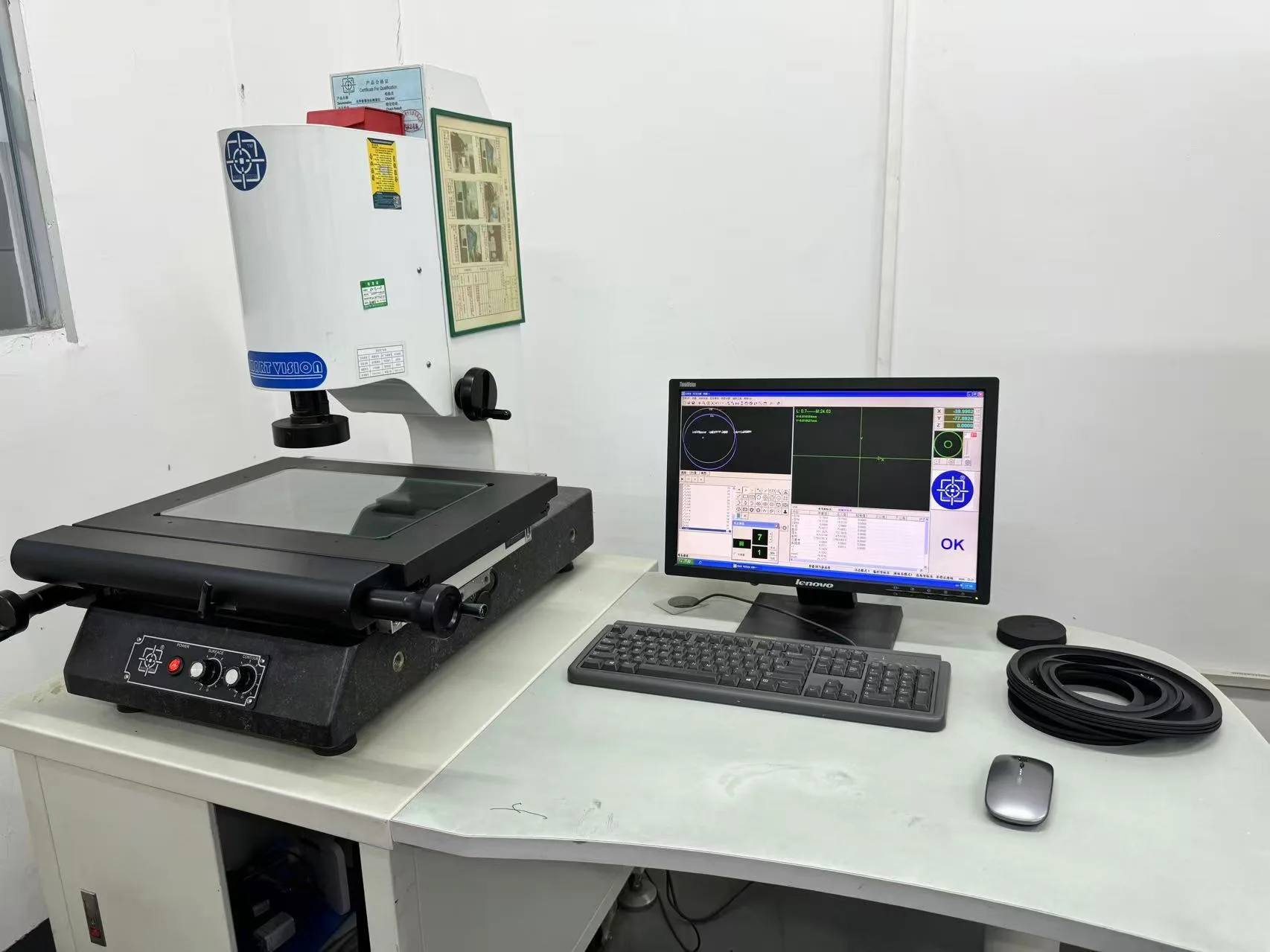
Once the spec is locked, physical samples come out of engineering in 3 to 7 days for catalog-adjacent work. That window covers compound mixing, cutting or moulding, and a pass through the same QC a production batch would get — dimensional check on the optical measurement system, a hardness read, sometimes a resonance check if the surround is going on a driver you've specified. What you get back isn't a hand-cut mock-up; it's a real part off real tooling and process, which is the point — it tells you what the 5,000th unit will look like, not just the first.
If your profile is custom, sampling can't start until tooling exists — more on that below. Budget the mould lead time on top of the 3–7 day sample window, not instead of it.
Tooling: a one-time cost, not a recurring one
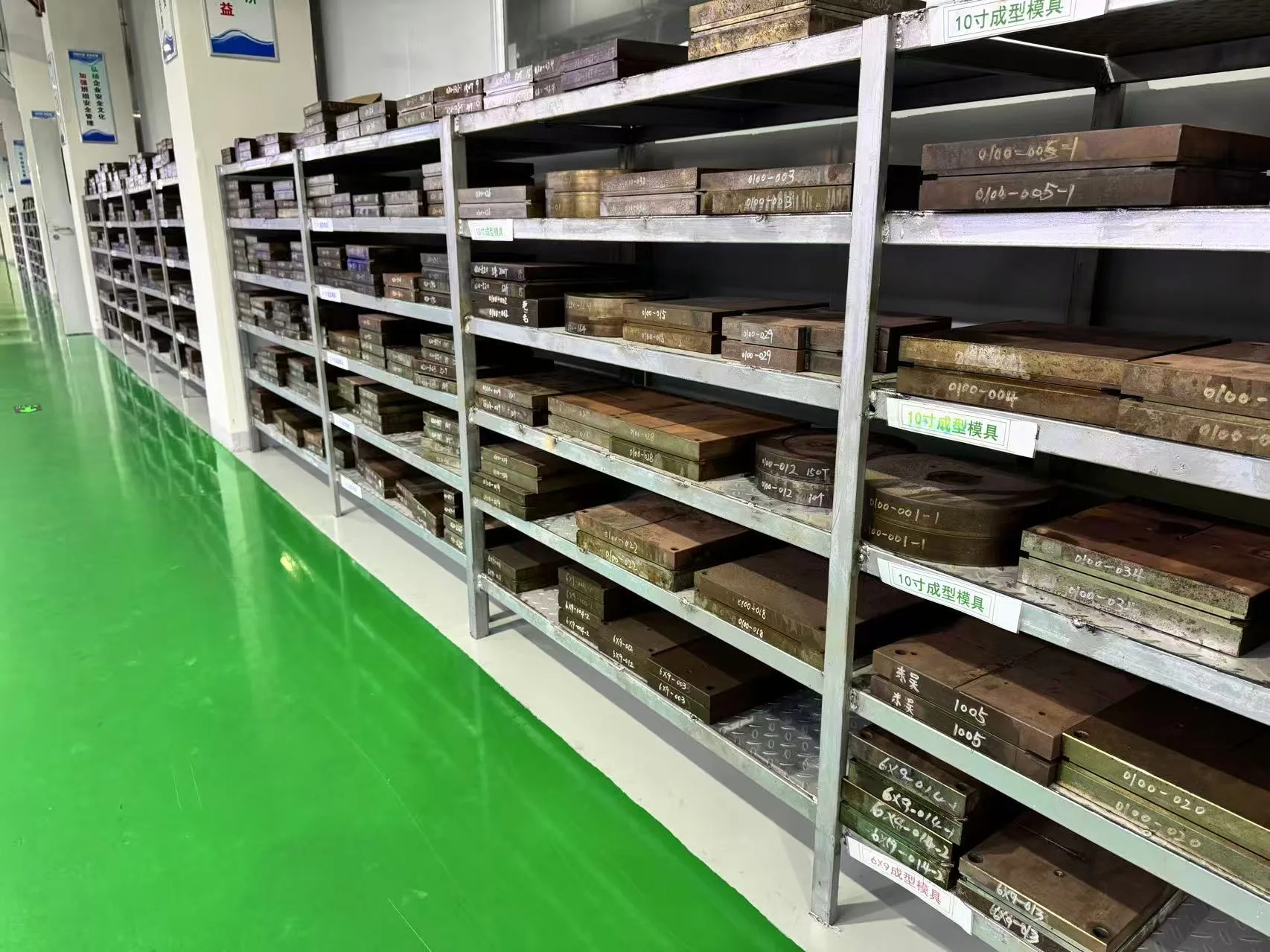
New geometry means a new mould, and that mould is a one-time charge, quoted separately from the per-piece price. It isn't sunk cost, either — the tooling fee is typically credited back against the bulk order once you place it, so you're not paying for the mould twice over the life of the part. This is standard in rubber and foam moulding generally, but it's worth confirming as a line item on the quote before you approve anything, so there's no ambiguity when the PO goes out.
The upside of paying for tooling once is that the mould is yours for reorders — the second and third production runs skip this step entirely and go straight to sampling off existing tooling, which is part of why repeat orders quote faster than the first one.
Minimums: catalog, trial and custom aren't the same number
MOQ is the other place buyers get surprised, mostly because it isn't one figure. A rough guide:
| Order type | Typical MOQ | Notes |
|---|---|---|
| Catalog SKU, standing order | ~500 pieces per SKU | Existing tooling, existing spec |
| Trial / evaluation batch | ~100 pieces | For qualifying a new supplier or a design before committing |
| Custom tooling, new profile | Higher, quoted per project | Scales with mould complexity and cavity count |
If you're evaluating us before switching a whole line over, ask for the trial quantity rather than the standing MOQ — it exists specifically so you don't have to commit to 500 pieces before you've handled one.
Writing an RFQ that doesn't bounce back
An RFQ that gets a same-day quote usually has six things in it. Missing any one of them means an email asking for it, which is the single biggest source of "why is this taking so long":
- Size — the actual cone diameter the surround has to seat against, in mm or inches, not the marketing size of the driver
- Roll profile — half-roll, M-roll, or a drawing/section if it's non-standard
- Compound — rubber (NBR, SBR, butyl/IIR, EPDM) or foam, plus any special requirement like flame-retardant or light-transmitting
- Shore A hardness — target durometer, or the application so it can be recommended
- Colour — standard black or a custom match
- Packaging — bulk carton, individually bagged, or a spec sheet to match an existing line
None of this needs to be a formal drawing on day one — a sketch with dimensions and the six points above is enough for a first quote. See our material selection guide if you're still narrowing down compound and hardness.
From approved sample to container
Once you sign off on the sample and the deposit lands, mass production runs 15 to 30 days, depending on order size and whether other production is queued ahead of it. Every batch goes through the same three-stage QC as the sample did — incoming material, in-process, and outgoing — so the 5,000th piece is checked the same way the sample was. For sizing questions specifically, our surround size guide covers how to measure a driver correctly before you send dimensions across.
If you want to see the equipment behind those QC numbers before committing to a first order, our factory page walks through it, and the full size and material range — 2" to 18", rubber or foam — is on the products page. For anything outside the catalog, custom service is where a new tooling project actually starts.
FAQ
How long does an OEM surround sample take?
3 to 7 days for a profile that matches existing tooling. Custom profiles need a mould built first, which adds time on top of the sample window itself.
What's the minimum order quantity for a custom surround?
Catalog SKUs run around 500 pieces per size, with a 100-piece trial option for evaluation. Custom tooling projects have a higher MOQ that scales with mould complexity — ask for a project-specific number rather than assuming the catalog figure applies.
Do I pay for tooling every time I reorder?
No. Tooling is a one-time charge, typically credited against the first bulk order, and the mould is then on hand for every reorder after that.
What do I need to include in an RFQ to get a fast quote?
Cone diameter, roll profile, compound, target Shore A hardness, colour and packaging preference. A dimensioned sketch with those six points is usually enough for a first-pass quote without a back-and-forth.