RubbLink coordinates
- RFQ clarification and missing-information checks
- Factory-route and existing-tooling review
- Quotation, sample and approval follow-up
- Inspection requirements, packing and export communication
Direct access to source factories
RubbLink is the speaker-component sourcing and project-coordination interface connecting international buyers with a family-operated manufacturing network in China.
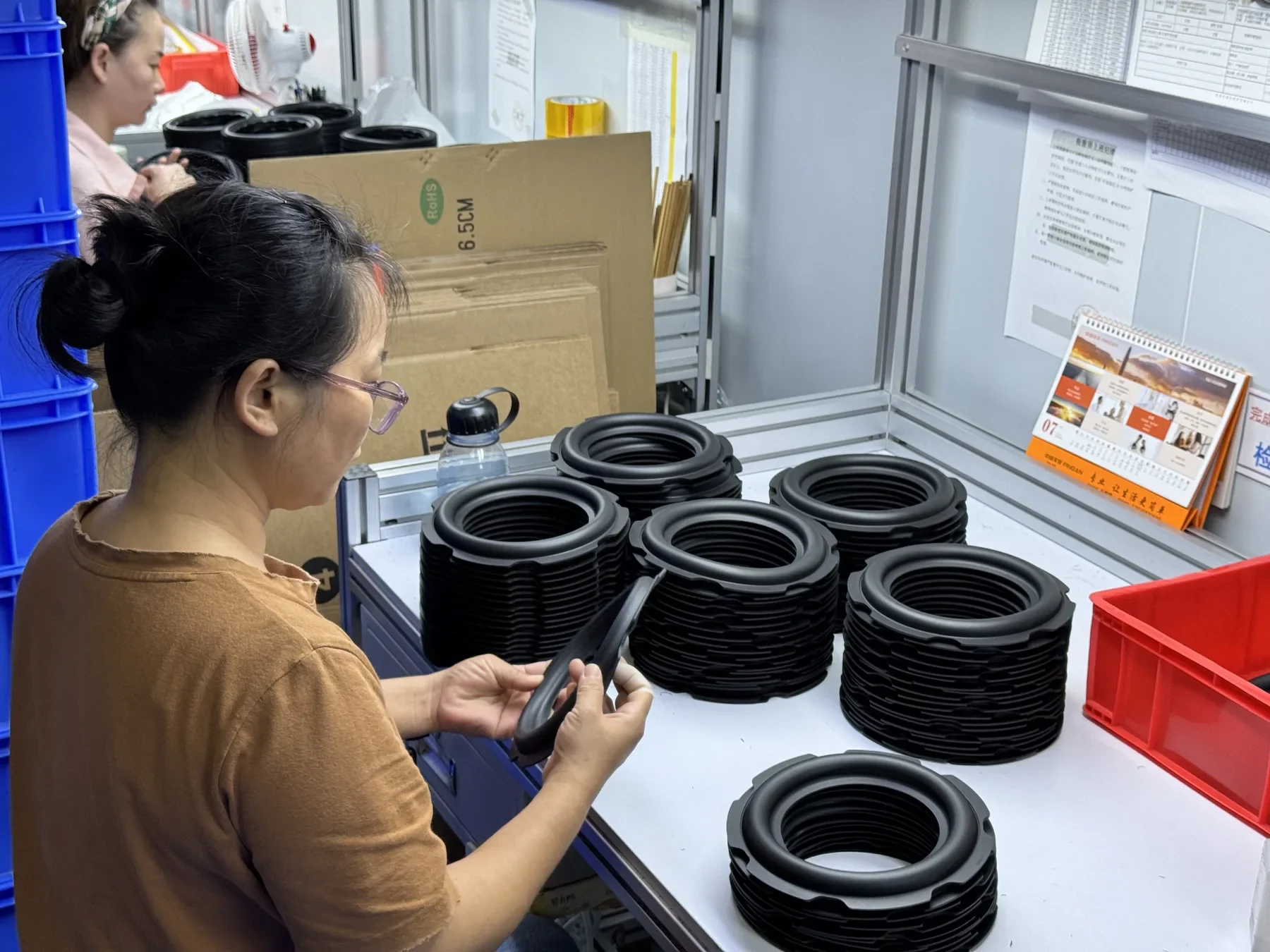
A transparent operating model
Buyers should know who communicates, who manufactures and which location will execute the order. We do not describe three separate factories as one building or use one office address as proof of every production line.
The factories have overlapping capabilities. The route is chosen from the actual part, tooling, material, capacity and delivery requirement, while approved project information can be shared across the network.
How the network is used
The same product category can follow different production routes. We match the project only after the decision inputs are known.
Check existing molds, required profile, material route, secondary operations and whether new tooling is justified.
Keep the drawing, sample, material, finish and inspection criteria aligned across buyer and factory.
Consider sample quantity, bulk demand, production window, packing and destination requirements.
Project control
Confirm the component, application, dimensions, quantity and approval criteria.
Compare factory route, existing tooling, process fit, capacity and delivery requirement.
Review the physical sample, drawing, material and visible standard before bulk.
Follow production and the agreed in-process or pre-shipment inspection points.
Align packing, documents, shipment plan and post-delivery communication.
Evidence before claims
A photograph shows that equipment exists. Your drawing, approved sample and inspection plan determine whether it is relevant to the part you buy.
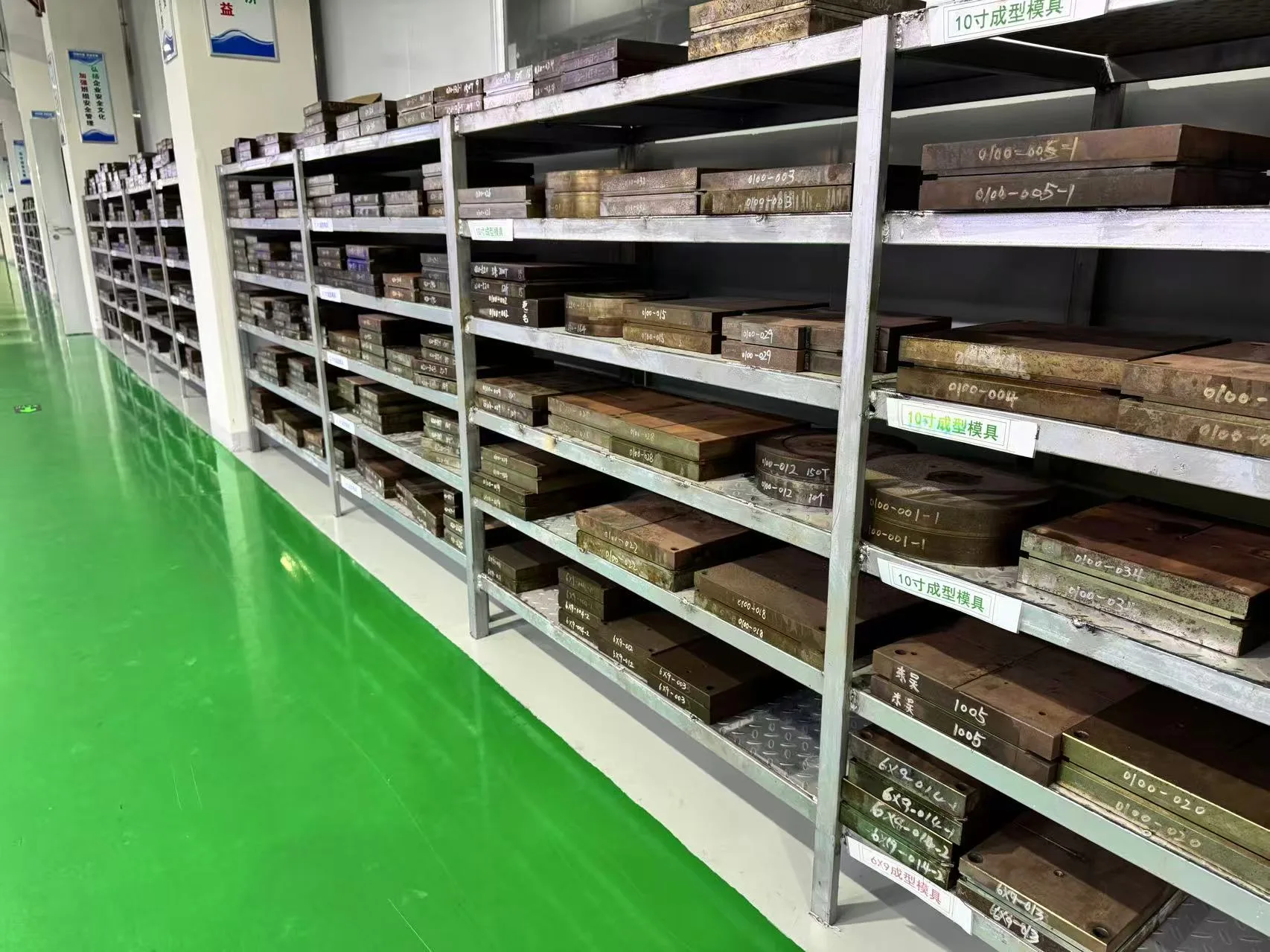
Real mold libraries and production equipment help verify whether a project uses existing or new tooling.
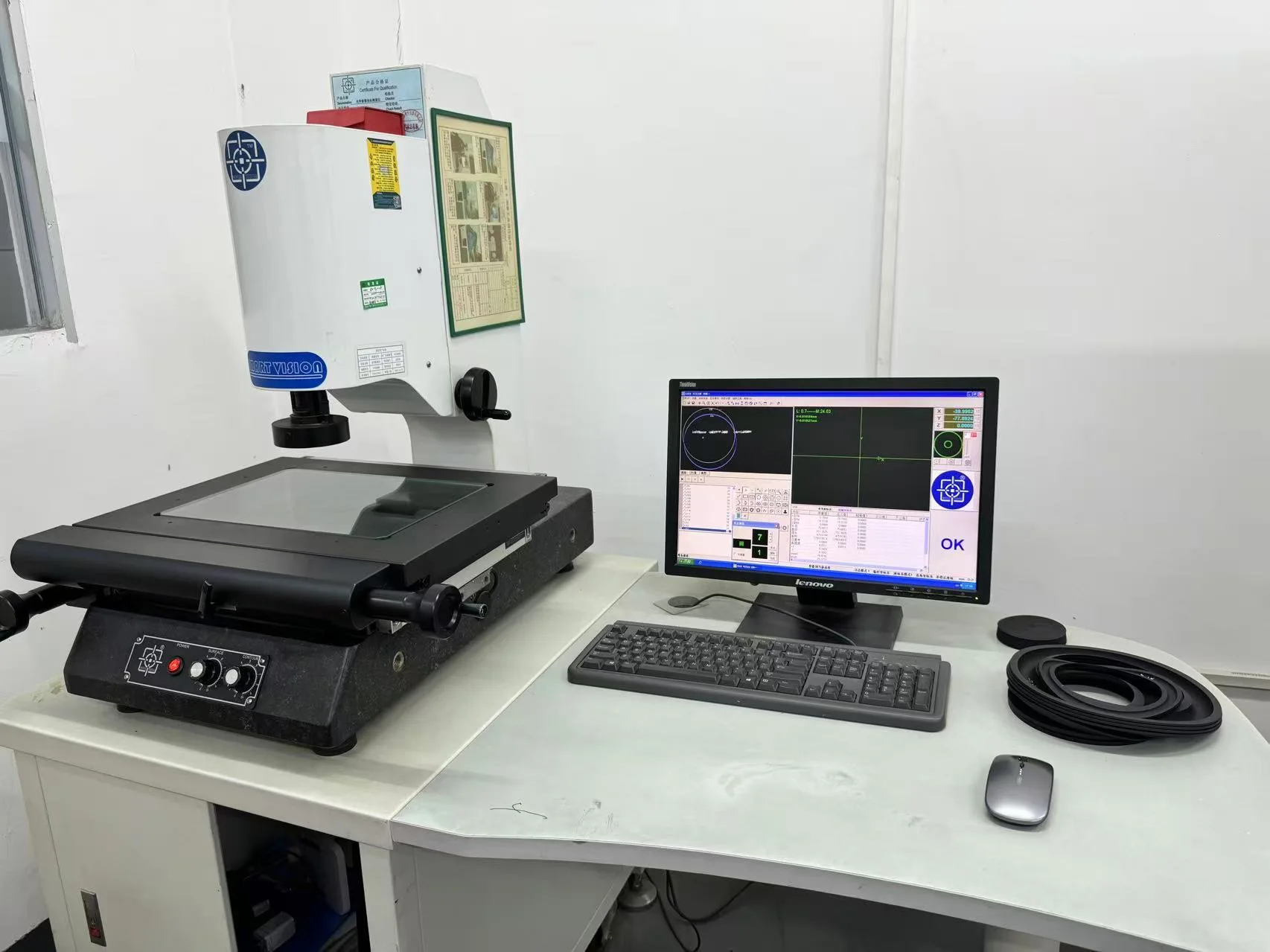
Critical profiles can be checked with gauges, calipers or optical measurement according to the part.
Approved appearance, trimming, contamination and packing criteria become practical inspection points.
RubbLink is the market-facing speaker-component sourcing and project-coordination interface for a family-operated network of three source factories. The factories manufacture the parts at different locations; RubbLink coordinates the buyer-facing RFQ, factory route, approval and export communication.
The factories are independently located and have overlapping speaker-component capabilities. A project route is selected from actual tooling, process fit, capacity, quantity and delivery needs rather than presenting every order as if it came from one building.
Yes. Depending on the project stage, buyers can request relevant workshop and equipment evidence, live-video verification, sample records or an arranged factory visit. The specific production location should be confirmed for the project rather than inferred from a general office address.
The drawing, approved sample, material requirement and agreed inspection plan form the project baseline. RubbLink coordinates the issue with the manufacturing factory and the buyer; responsibility is assessed against that approved baseline and the applicable commercial agreement.