Buyer knowledge center
Make Better Speaker-Component Sourcing Decisions
Practical guides for material selection, OEM development, supplier verification, manufacturing control and cross-border purchasing.
Latest research & guides
Continue exploring the knowledge base
Filter by topic or browse the latest published analysis.
 Rubber Materials & Properties
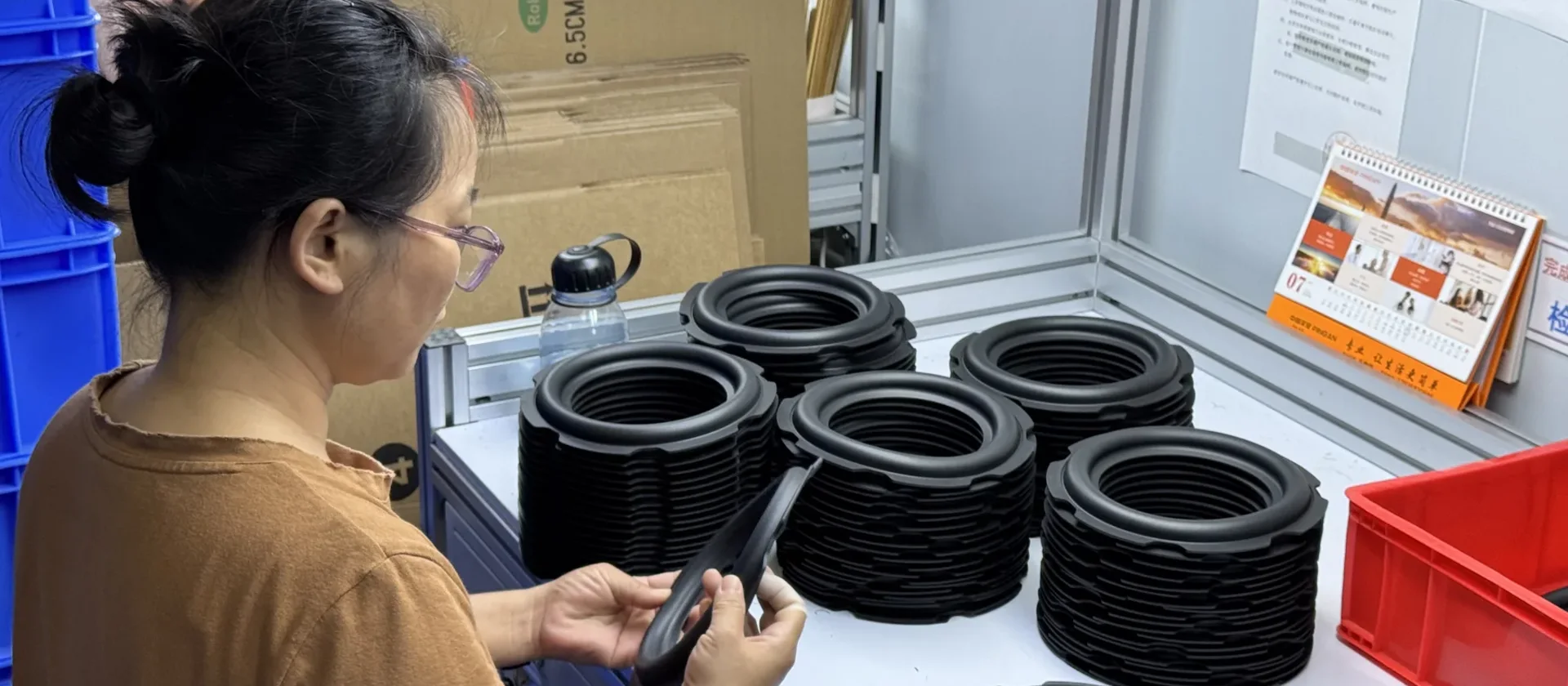
T (Polysulfide / Thiokol) Rubber: Why It Never Reaches a Speaker Surround
Polysulfide rubber holds jet fuel inside aircraft wings and argon inside double-glazed windows, and it is one of the least permeable elastomers ever made. None of that gets it onto a speaker surround. This guide explains what T actually does well, why it cannot be moulded into a roll, and which material takes over the one property it shares with butyl.
Read more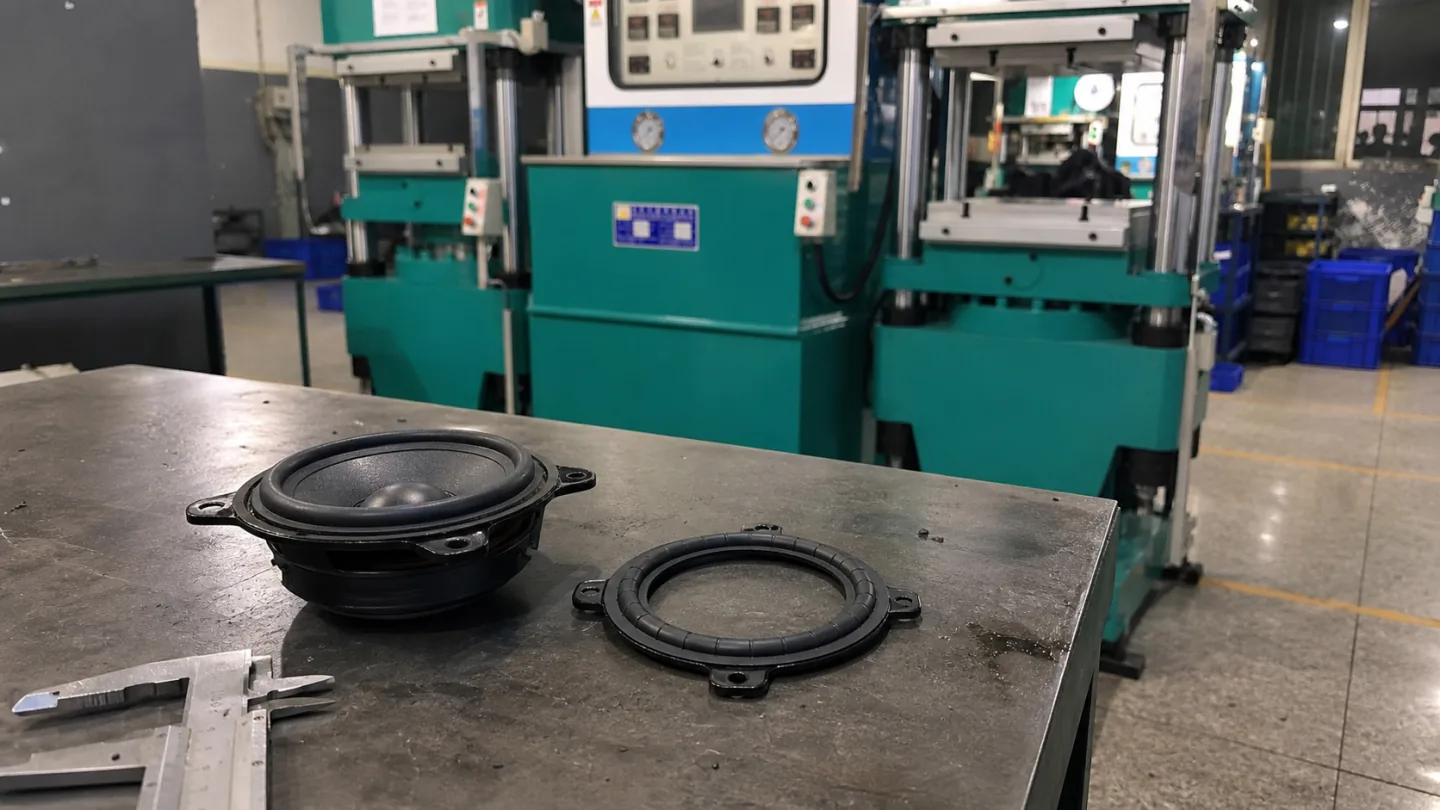 Rubber Materials & Properties
NBR (Nitrile) Rubber: The Oil-Resistant Speaker Surround
Take apart a door speaker from a delivery van and the surround has usually been breathing kitchen grease, diesel mist or hand oil for years. NBR is the compound that survives that. This guide covers what acrylonitrile content actually buys you, where nitrile beats butyl on cost, and the two jobs you should not give it.
Read more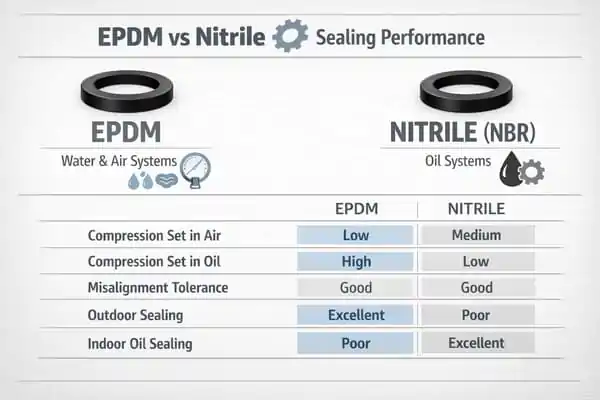 Comparisons
Butyl vs EPDM Surrounds: Which Rubber for Your Woofer?
Butyl and EPDM are both premium surround rubbers, but they solve opposite problems: one damps the cone edge for clean, controlled bass, the other survives sun, salt and ozone without cracking. Here's how they actually differ, and which one belongs on your driver line.
Read more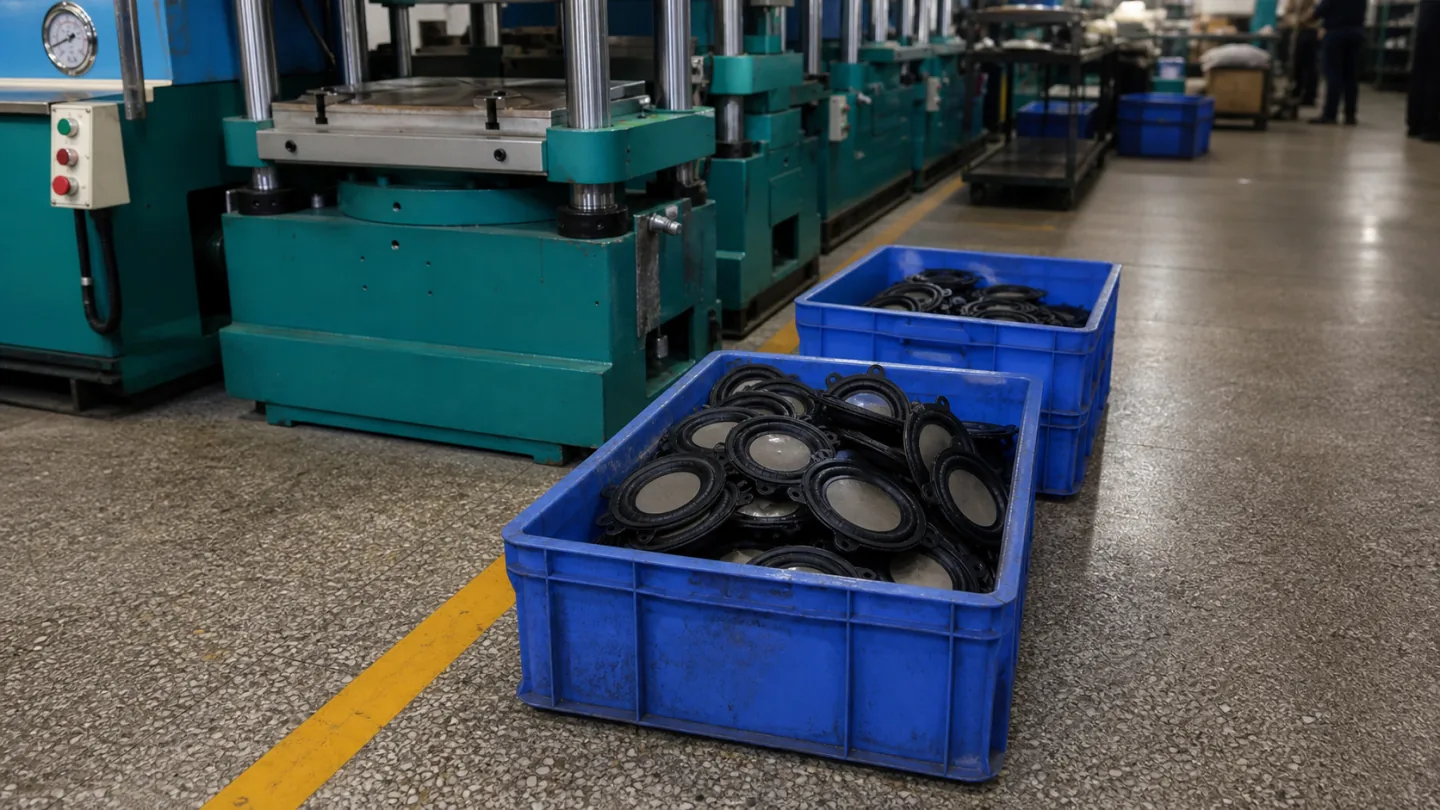 Rubber Materials & Properties
SBR (Styrene-Butadiene) Rubber for Speaker Surrounds
Not every driver deserves butyl. On a bookshelf speaker that sells for the price of a takeaway, the surround has a cost line, and SBR is usually what lands on it. This guide covers what SBR actually is, what styrene content changes, where it holds up in a driver, and the three cases where you should stop being clever and spend the extra cents.
Read more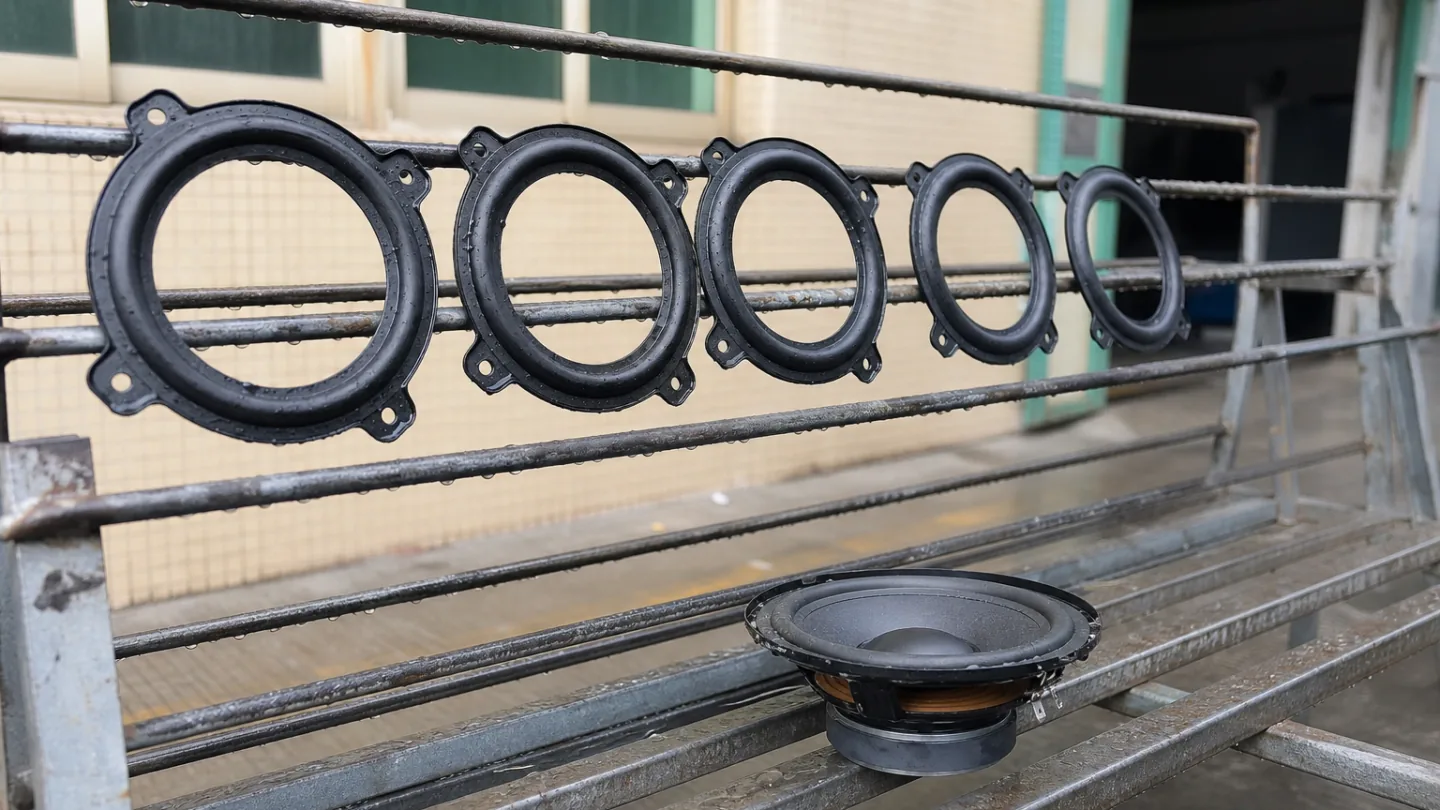 Rubber Materials & Properties
EPDM Rubber: The Compound That Refuses to Age
EPDM outlives almost every other rubber in the sun, and the reason is a single structural decision made in the polymer itself: the double bonds ozone attacks were moved off the main chain and parked on a side group. This guide explains that chemistry, what it buys on a speaker surround, and the two places EPDM is the wrong answer.
Read more Product Basics
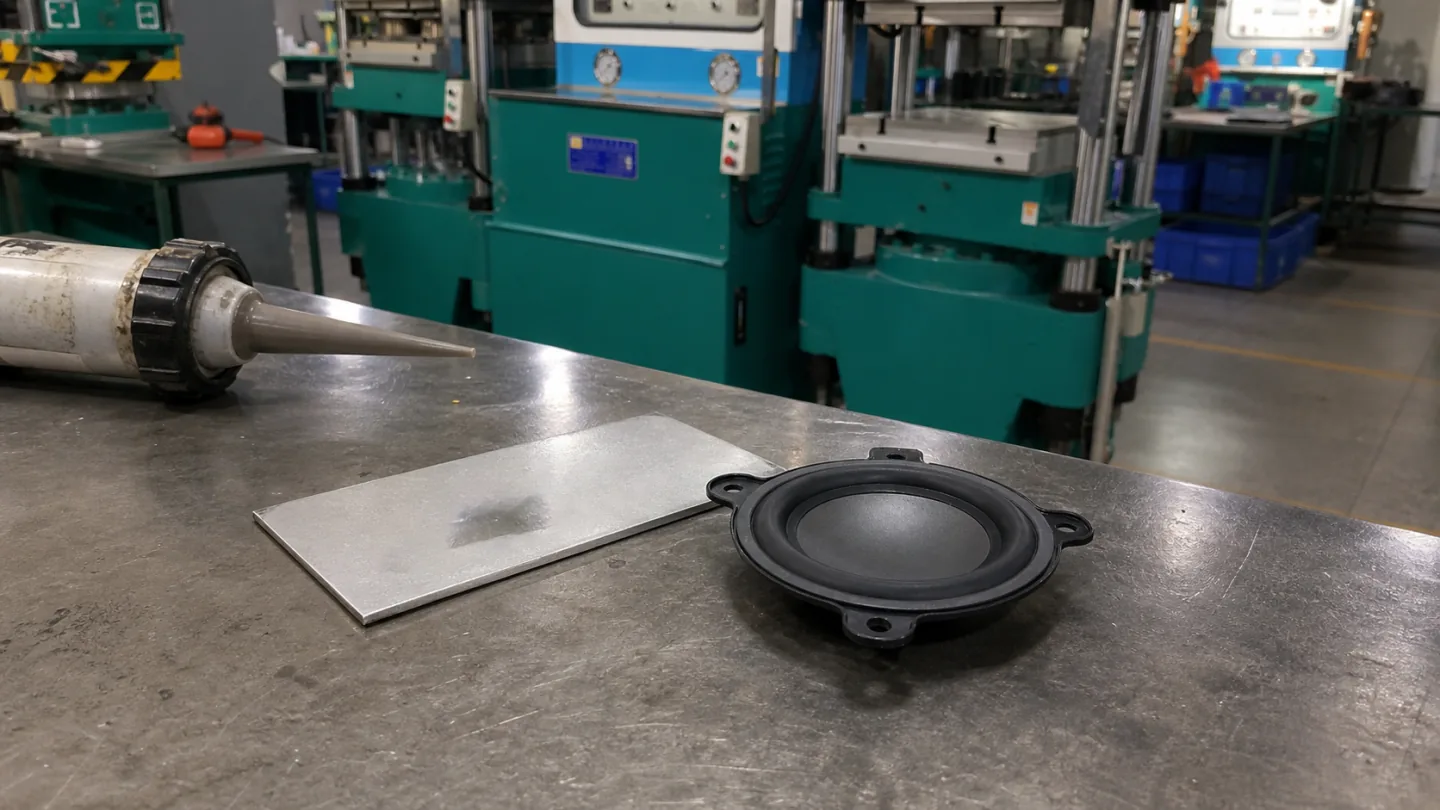
The Molded Rubber and Silicone Parts Hiding in Your Speaker
Pull the back panel off a speaker or soundbar and the surround gets all the credit for the sound, but it's rarely the only rubber part in the box. Gaskets, feet, grommets and small structural bits are doing quiet work throughout the enclosure — here's what they are and how a rubber factory actually produces them to spec.
Read more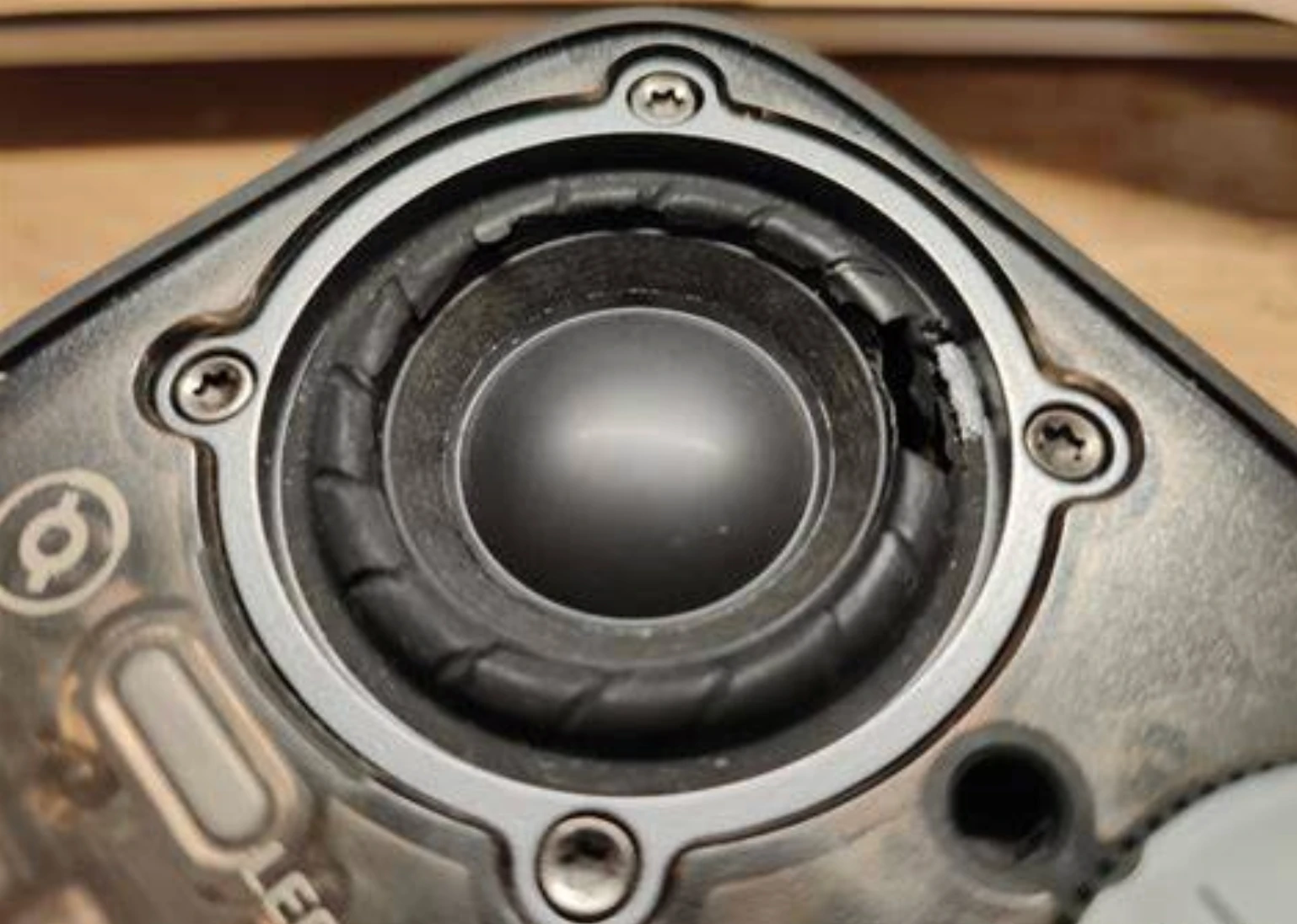 DIY & Enthusiast
Is It the Surround, or Something Worse? Diagnosing a Buzzing Woofer
A buzzing speaker sent me down a rabbit hole of forum posts before I figured out the four-test routine that actually tells you what's wrong. Here is how to check the surround, the coil, the joints and the smell before you spend money on the wrong fix.
Read more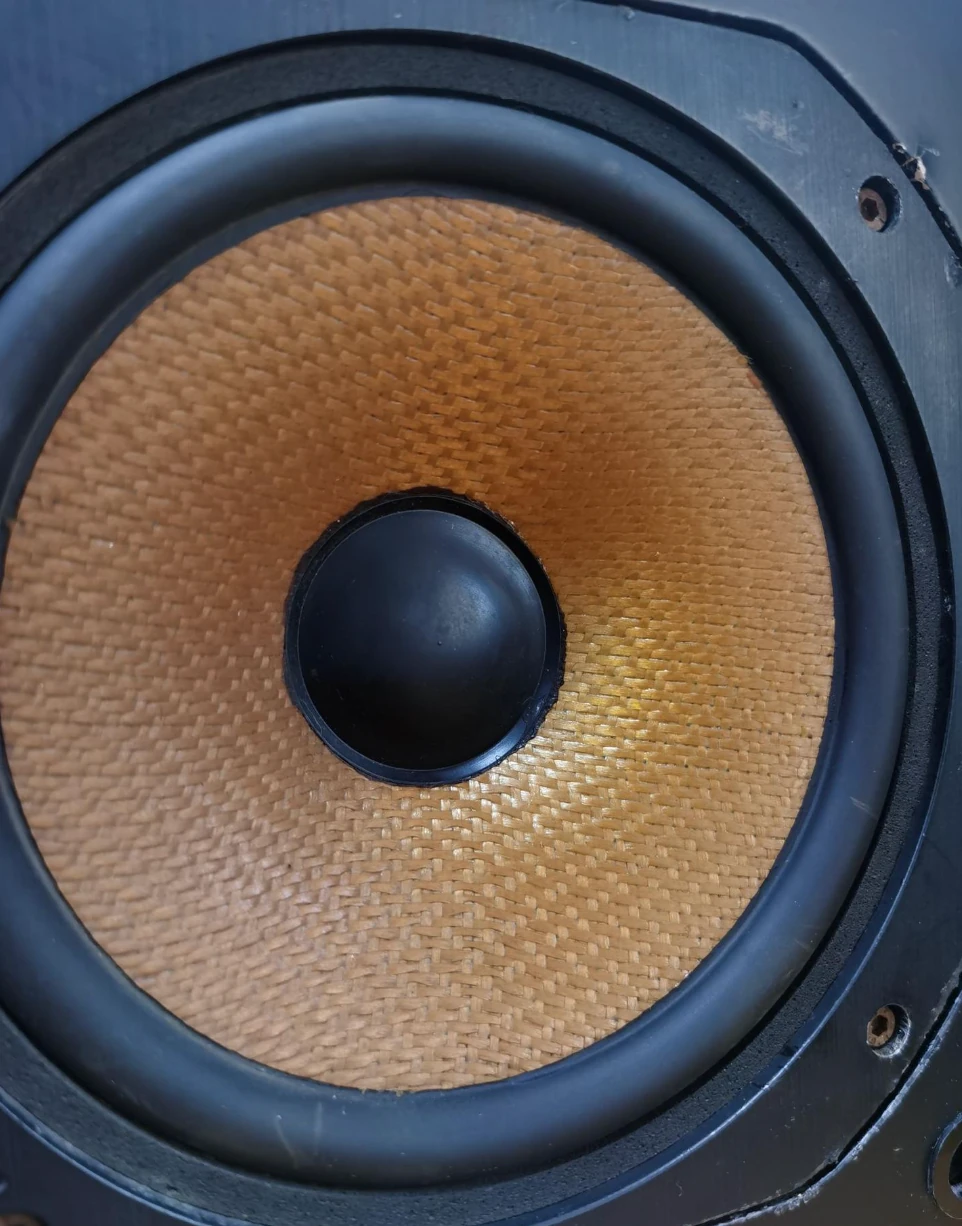 DIY & Enthusiast
Bringing Vintage Speakers Back: A Re-Edge Worth Doing
A pair of thrifted 80s speakers looked dead, but the rot was only in the foam surrounds — the expensive parts underneath were fine. Here is why re-edging brings vintage bass back, and the honest call between foam and rubber when you're deciding what to put on next.
Read more Product Basics
Speaker Surround Sizes and Specs, Explained
An RFQ for "a 10-inch surround" tells a factory almost nothing. This guide breaks down the specs that actually define a surround — diameter, roll width and profile, material, hardness, thickness — and how to write each one into an order so the part that arrives is the part you drew.
Read more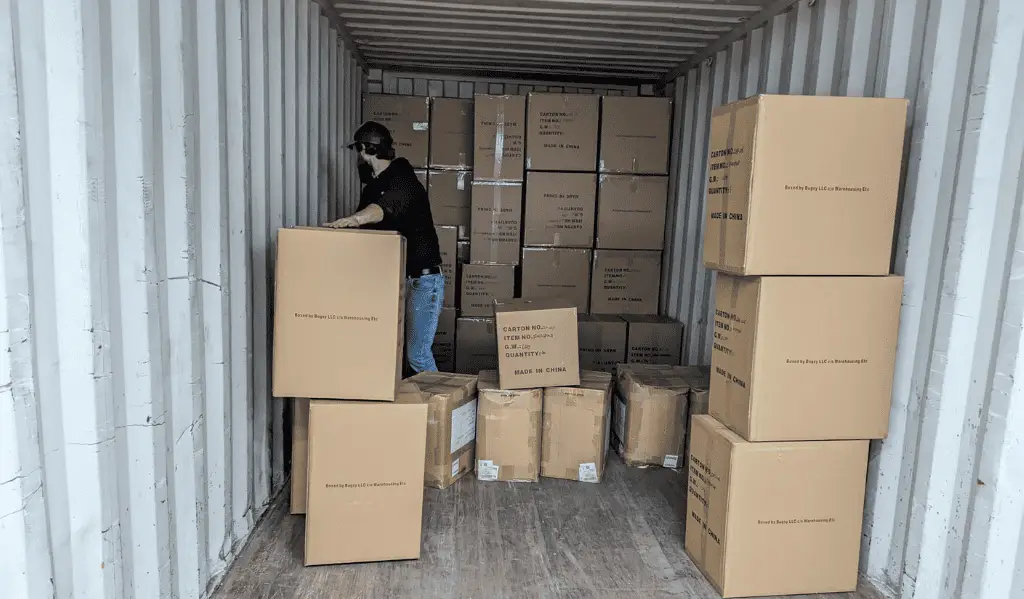 Buying Guides
RoHS, REACH and Getting Speaker Parts Across a Border
A container full of rubber surrounds doesn't get held at customs for a bad reason — it gets held because a declaration is missing or a carton mark doesn't match the invoice. Here's the compliance and logistics checklist I wish someone had handed me before my first order: material declarations, third-party testing, Incoterms, and export packing that actually survives the trip.
Read more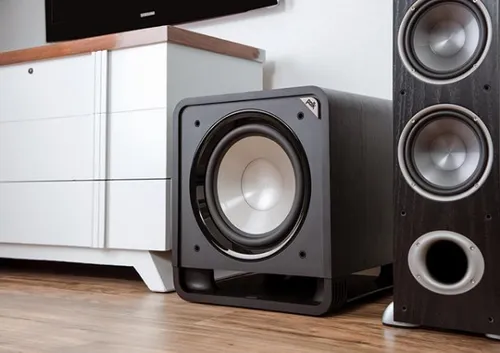 Applications
Subwoofer Surrounds: What Changes at High Excursion
Push a subwoofer cone far enough and the surround stops being a quiet supporting part and becomes the thing that decides whether the driver survives. Here is what actually changes at high excursion — roll width, compliance, compound, and how a component factory proves a surround will hold up before it ships.
Read more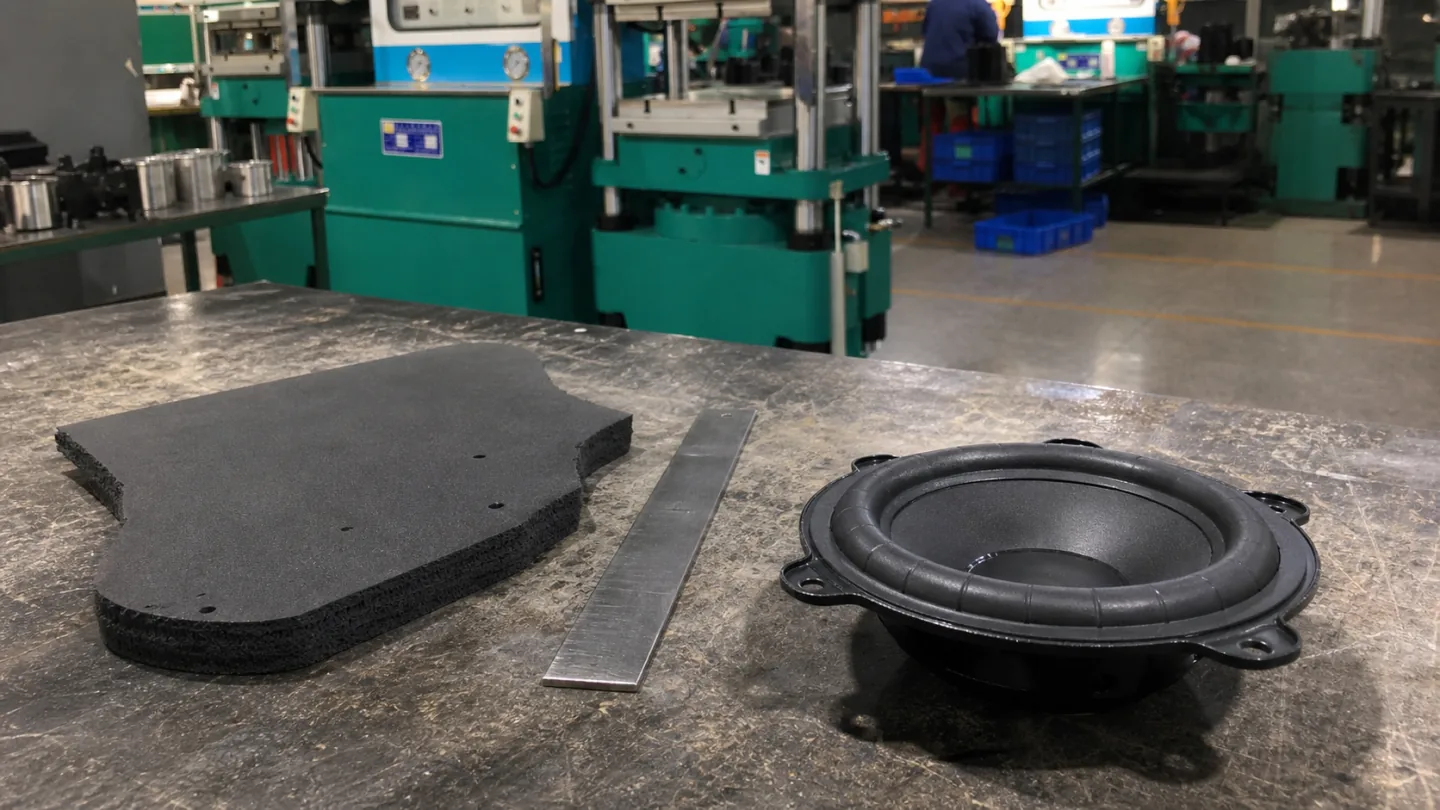 Rubber Materials & Properties
CR (Chloroprene / Neoprene) Rubber: Great Material, Wrong Surround
CR earns its place in wetsuits, cable jackets and bridge bearings by being decent at everything and terrible at nothing. That same balance is exactly why it rarely wins a speaker surround. This guide is an honest look at what CR is good at, where it sits against butyl and EPDM, and what to spec instead.
Read moreFrom research to RFQ