Buyer knowledge center
Make Better Speaker-Component Sourcing Decisions
Practical guides for material selection, OEM development, supplier verification, manufacturing control and cross-border purchasing.
Latest research & guides
Continue exploring the knowledge base
Filter by topic or browse the latest published analysis.
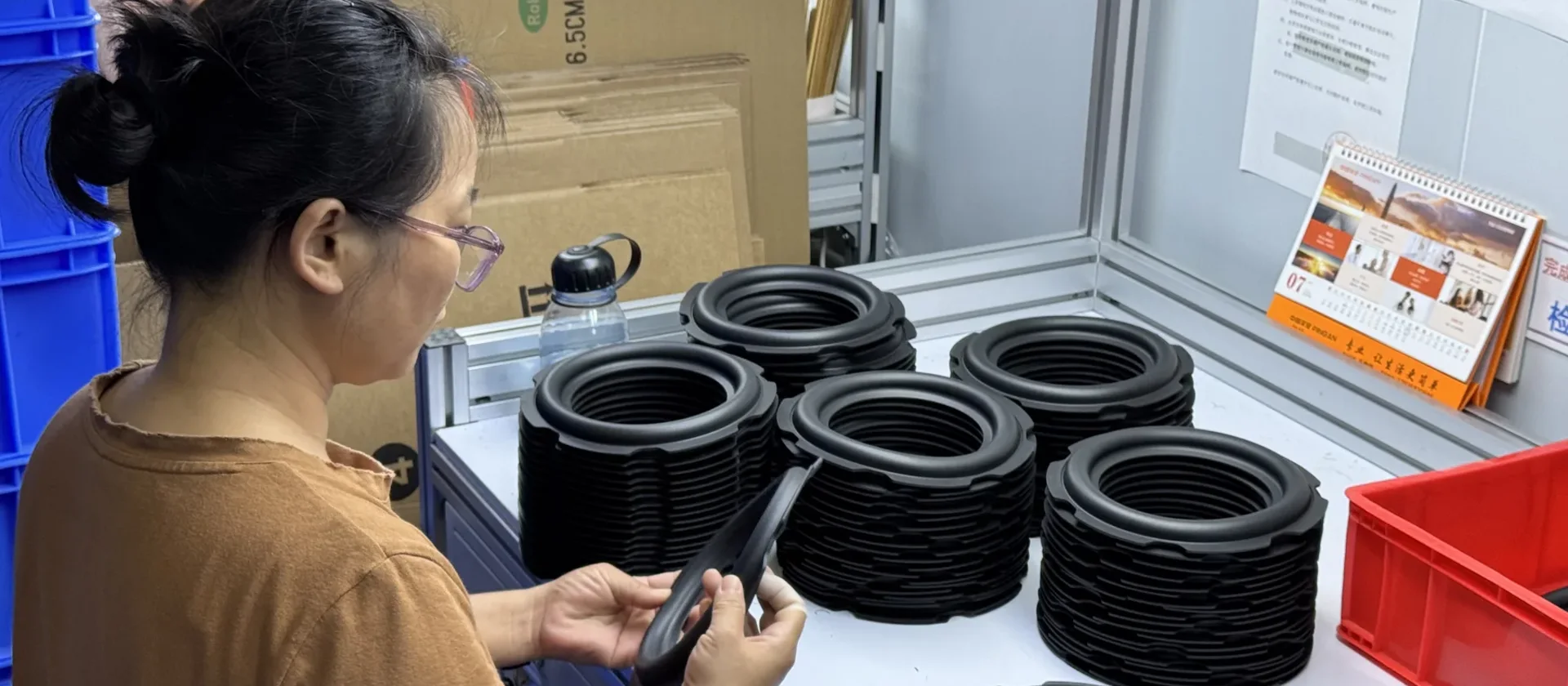
How to Match a Replacement Speaker Surround (Size Guide)
Re-foaming or re-edging a woofer starts with the right surround size. This guide shows exactly which measurements to take — cone diameter, roll width, mounting diameter — and how to match the material, so your replacement surround fits flat and restores the driver.
Read more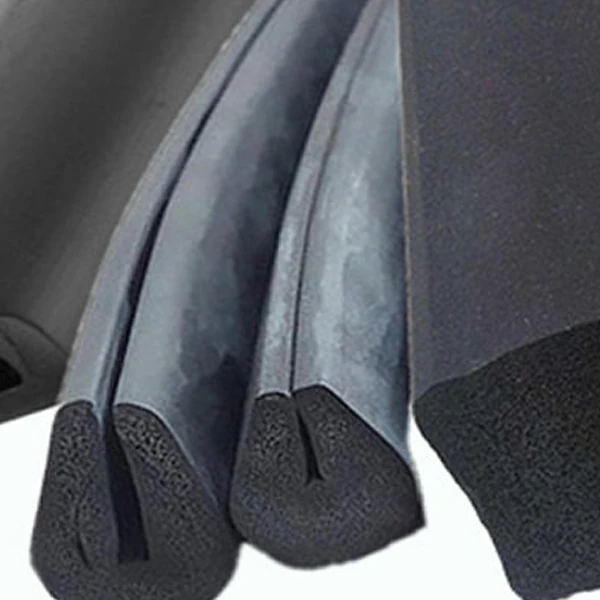 Comparisons
Rubber vs Foam Speaker Surrounds: Sound, Durability & Cost
Rubber and foam surrounds shape how a driver moves, lasts and sounds. This guide compares them side by side — compliance and bass, durability, cost and best use — so you can pick the right surround for a speaker line or a repair batch.
Read more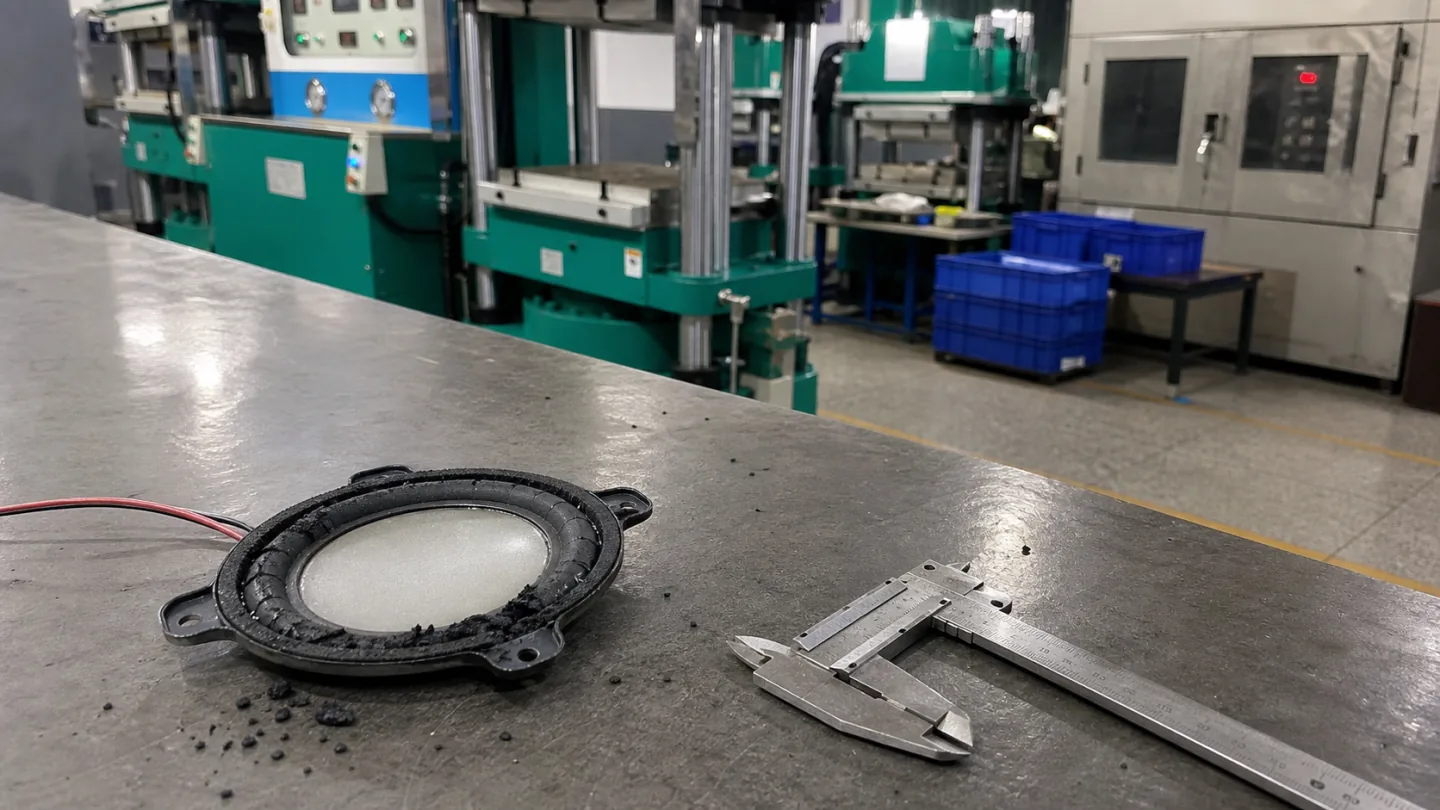 Rubber Materials & Properties
PU (Polyurethane) Surrounds: Why Foam Rots, and What Actually Lasts
Foam speaker surrounds are polyurethane, and the polyester kind slowly eats itself in humid air — that is the black dust on your fingertip. Polyether PU resists the same attack, which is why one pair rots at five years and another survives twenty. Here is the chemistry, plainly, and what it means when you are choosing a surround.
Read more Stories
Why Old Speakers Lose Their Voice: A Ring of Rubber and the Sound of Music
The surround is the ring of rubber around a speaker cone — the part nobody photographs and everyone forgets, right up until the music goes thin. This is a story about that ring: what it does, why it dies, and what I learned listening to one on a factory bench.
Read more Rubber Materials & Properties
Silicone Rubber (VMQ) in Audio: Where It Wins and Where It Doesn't
Silicone gets specced into audio parts for reasons that are half real and half reputation. Here's the honest version: where VMQ genuinely beats butyl and EPDM in a speaker, where it quietly loses, and the alkali weakness nobody puts on a datasheet slide.
Read more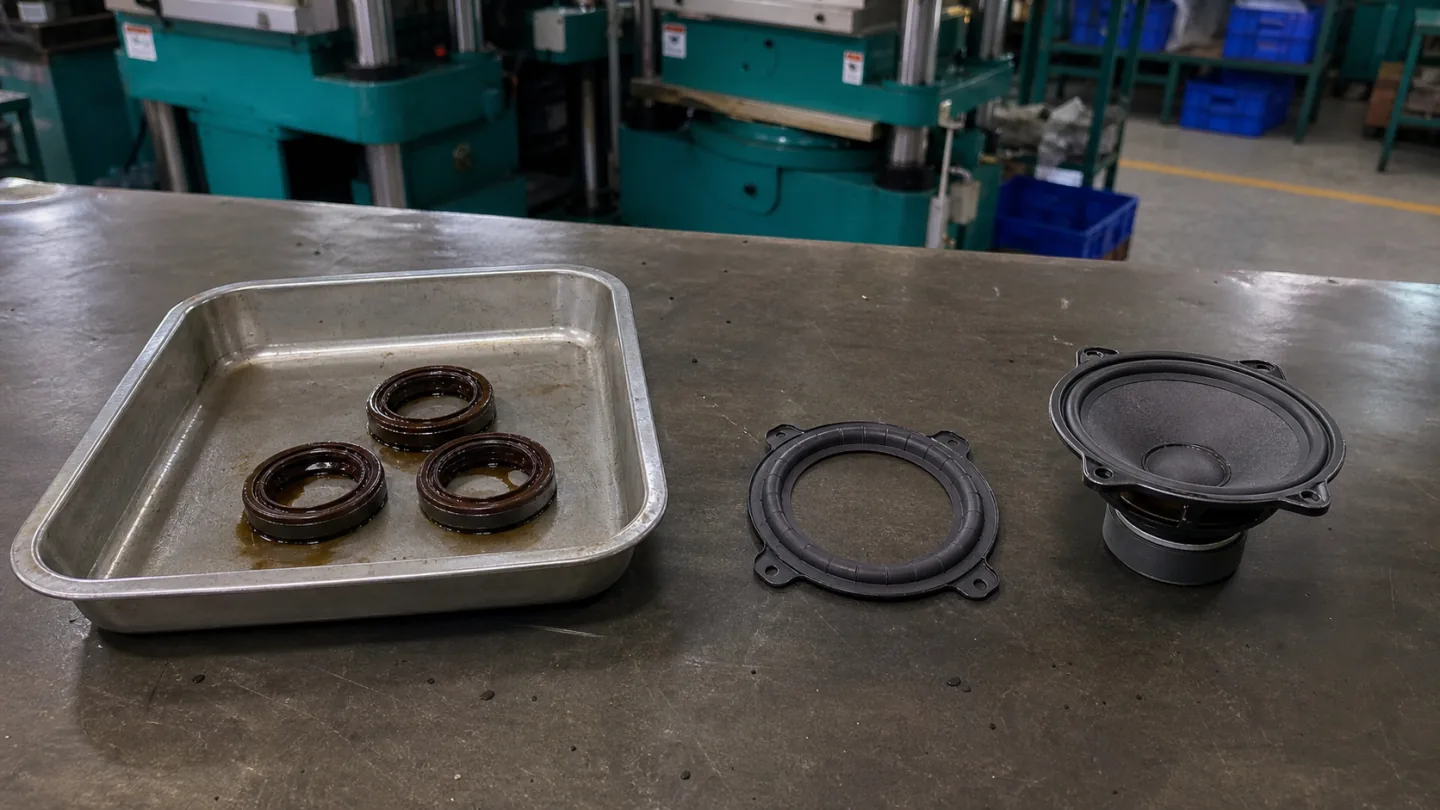 Rubber Materials & Properties
ACM (Acrylic Rubber): Built for Hot Oil, Not for Surrounds
ACM turns up on surround enquiries maybe twice a year, always from an engineer who read a heat-resistance chart. It is a superb hot-oil seal material and a bad surround material, and the reasons are worth ten minutes. This is where ACM actually belongs, why a cone edge is not that place, and what to spec instead.
Read more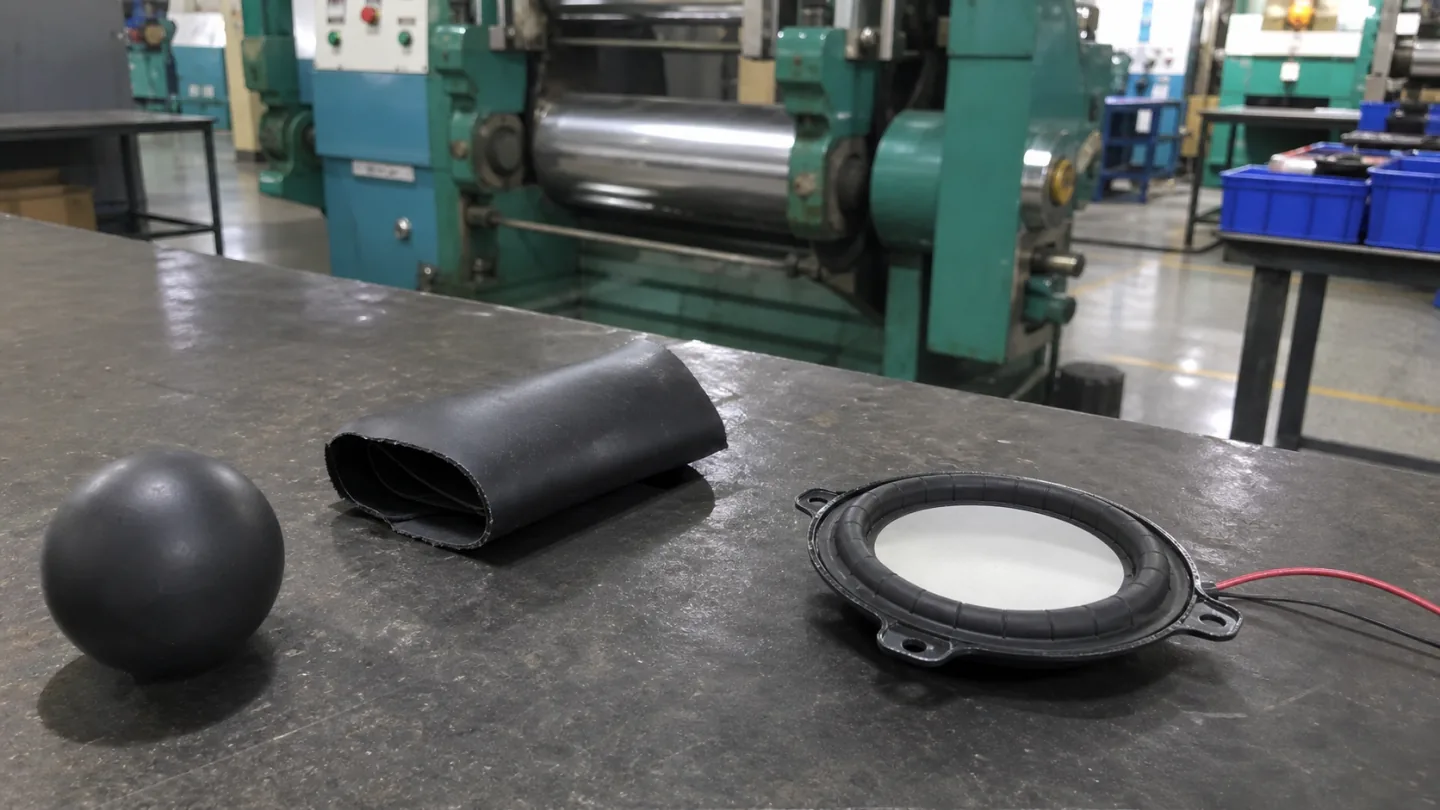 Rubber Materials & Properties
BR (Butadiene) Rubber: Brilliant at Bouncing, Wrong for Surrounds
Butadiene rubber is the bounciest general-purpose elastomer there is — which is precisely the problem. A surround's job is to kill energy, not return it. This guide covers what BR is genuinely great at, why it never shows up on a cone edge, and which compound to spec instead.
Read more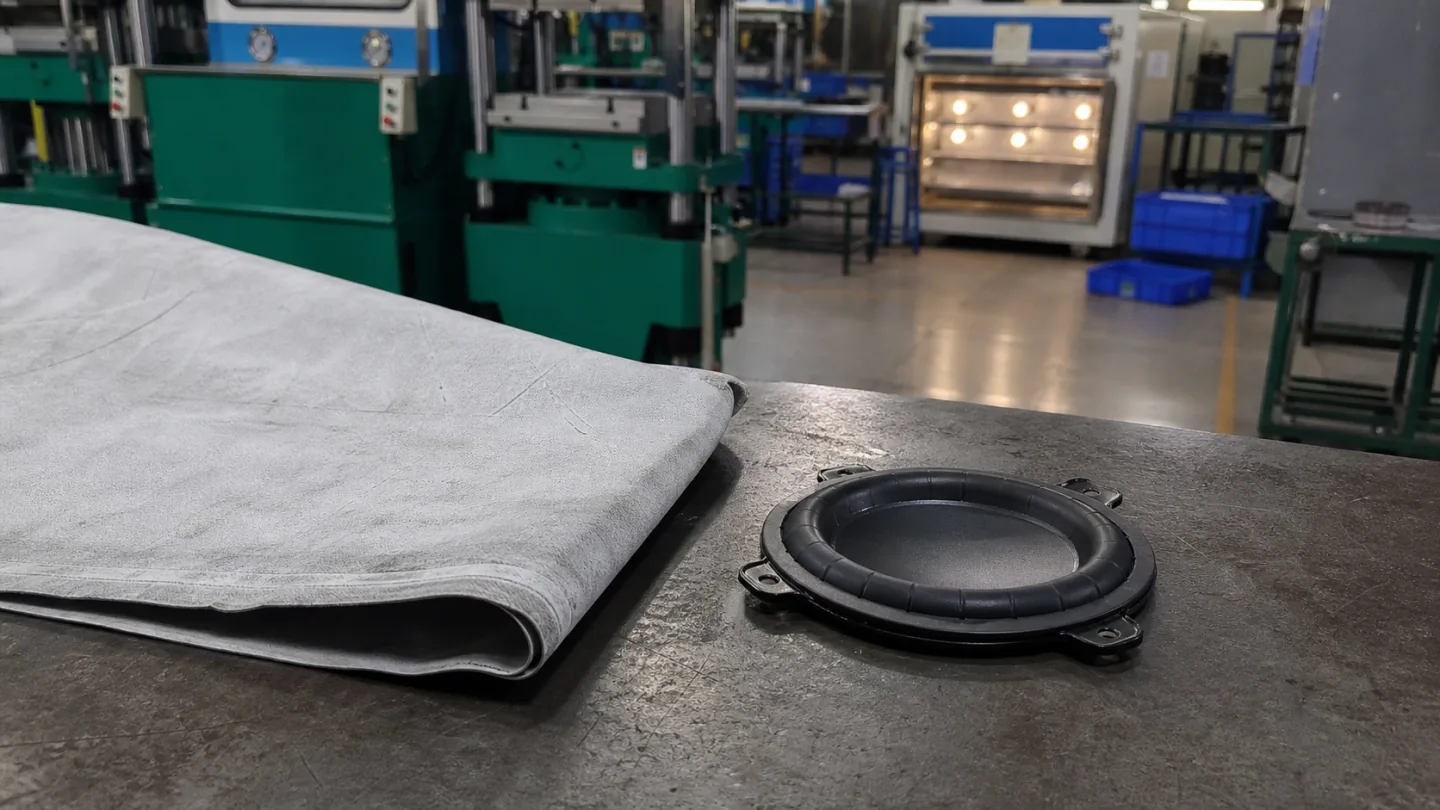 Rubber Materials & Properties
CSM (Hypalon) Rubber: A Weathering Legend That Skips Speakers
CSM — the rubber most people still call Hypalon — is genuinely one of the best weathering elastomers ever commercialised. It is also the wrong answer for a speaker surround, and it has been discontinued since 2010. This piece explains what CSM is brilliant at, why that brilliance never reaches your driver, and what to specify instead.
Read more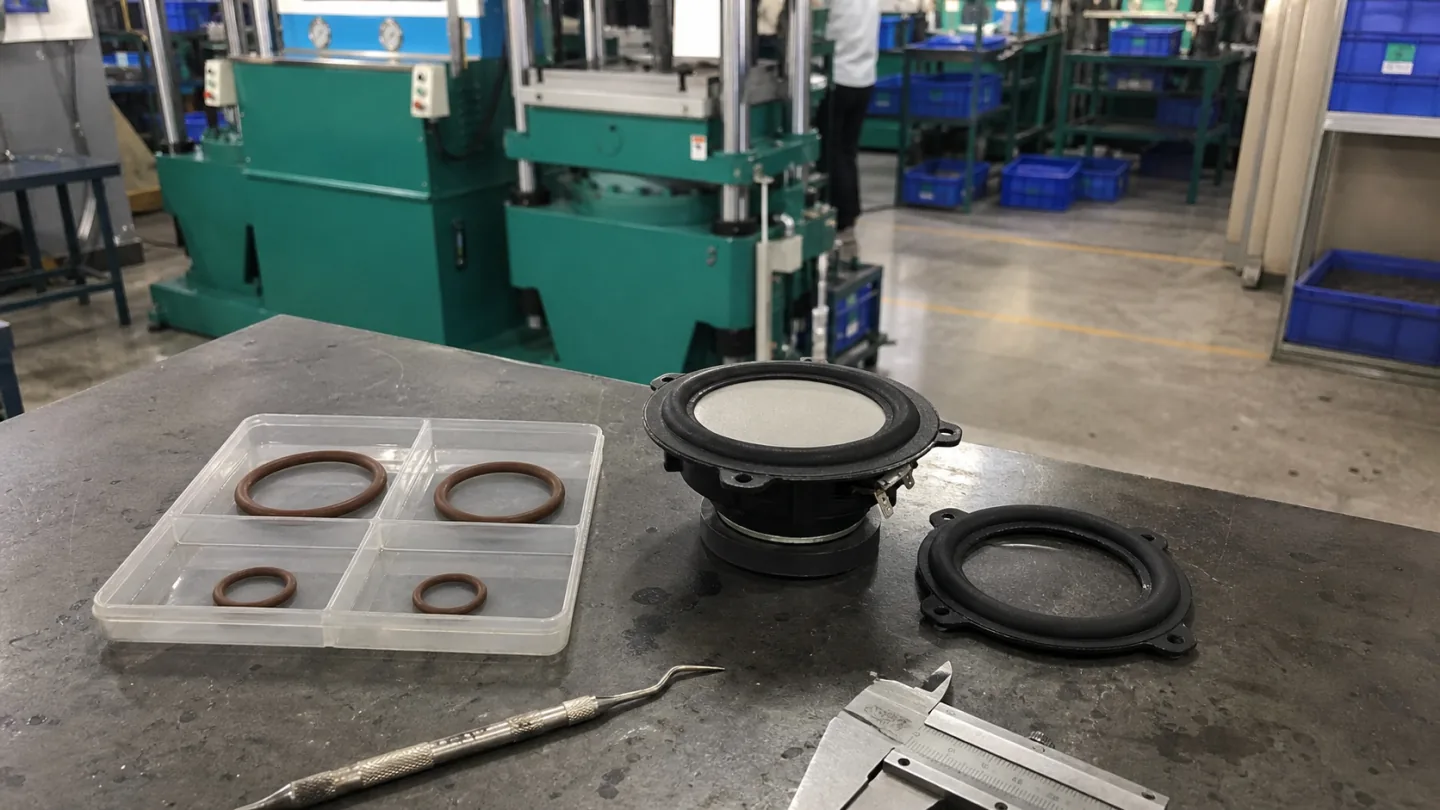 Rubber Materials & Properties
FKM (Fluoroelastomer): The Best Rubber Your Surround Does Not Need
FKM is the ceiling of elastomer chemistry: jet engine seals, etch chambers, hot acid. It is also the wrong answer for a speaker surround, and the reason is not subtle — a surround lives at room temperature, so every property you pay a fortune for goes unused. Here is what FKM is genuinely for, and what to spec instead.
Read more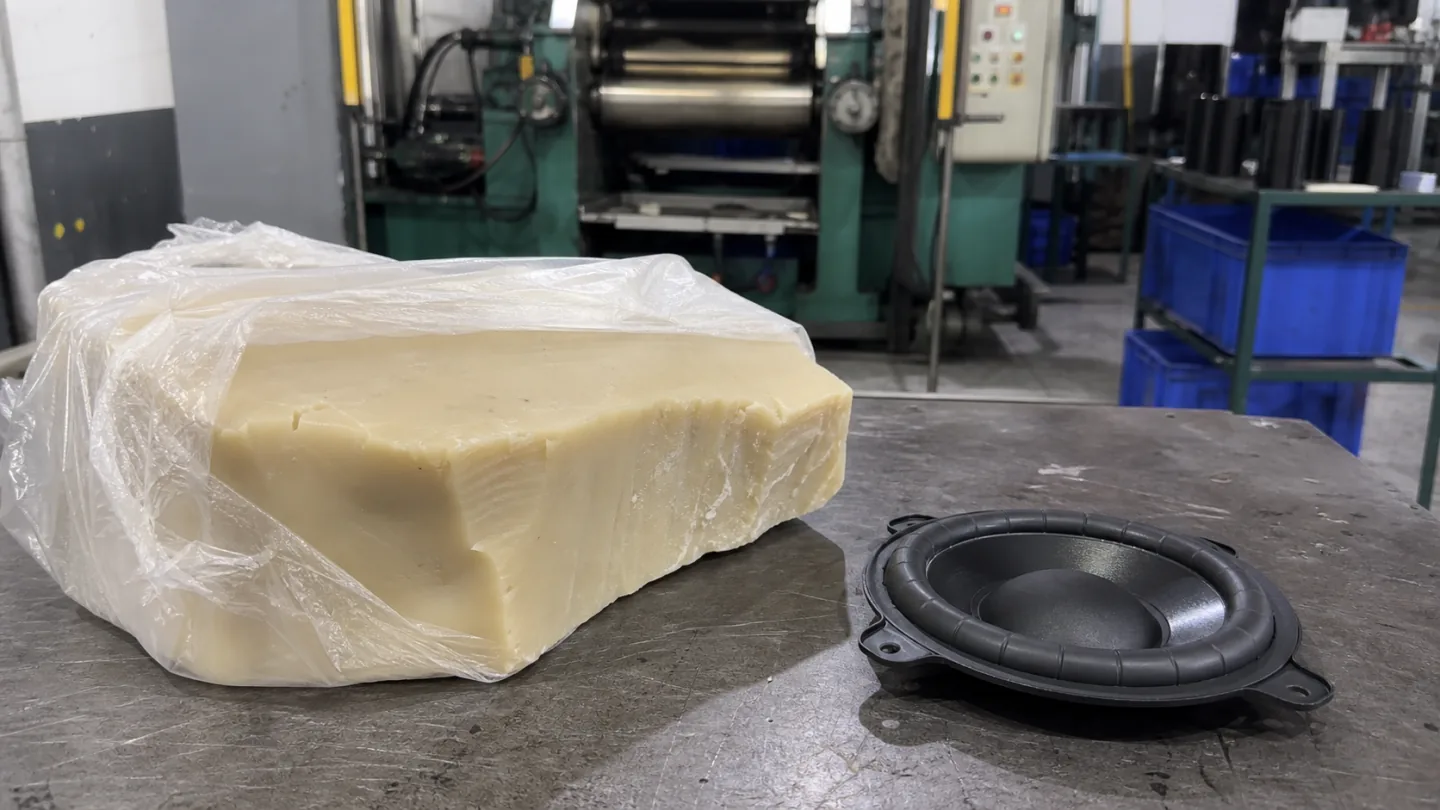 Rubber Materials & Properties
IR (Synthetic Isoprene Rubber) and Speaker Surrounds
Synthetic isoprene rubber is the same molecule as natural rubber, made in a reactor instead of a tree — pure, consistent, protein-free. That combination sells it into medical goods and adhesives. It also carries natural rubber's fatal flaw for a speaker surround: an unsaturated backbone that ozone eats. Here is where IR belongs, and what to specify for a driver instead.
Read more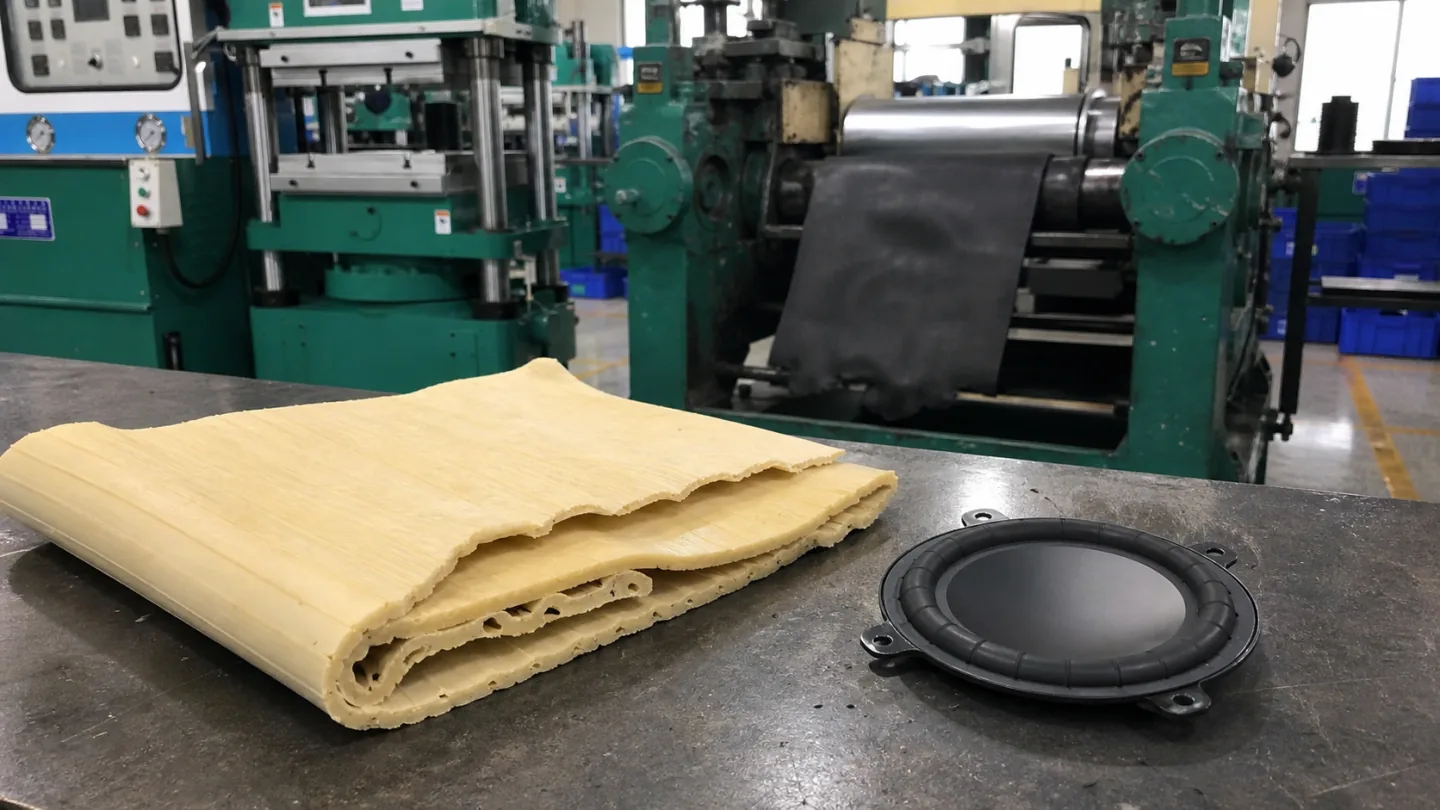 Rubber Materials & Properties
NR (Natural Rubber): The Best Rubber That Never Reaches a Cone
Natural rubber tears harder, bounces better and self-reinforces under stretch — properties no synthetic has matched in eighty years of trying. It is still the wrong material for a speaker surround, and the reason is a molecule-level flaw that the surround's own geometry makes worse. This guide covers what NR genuinely owns, why the cone edge is not on the list, and what to spec instead.
Read more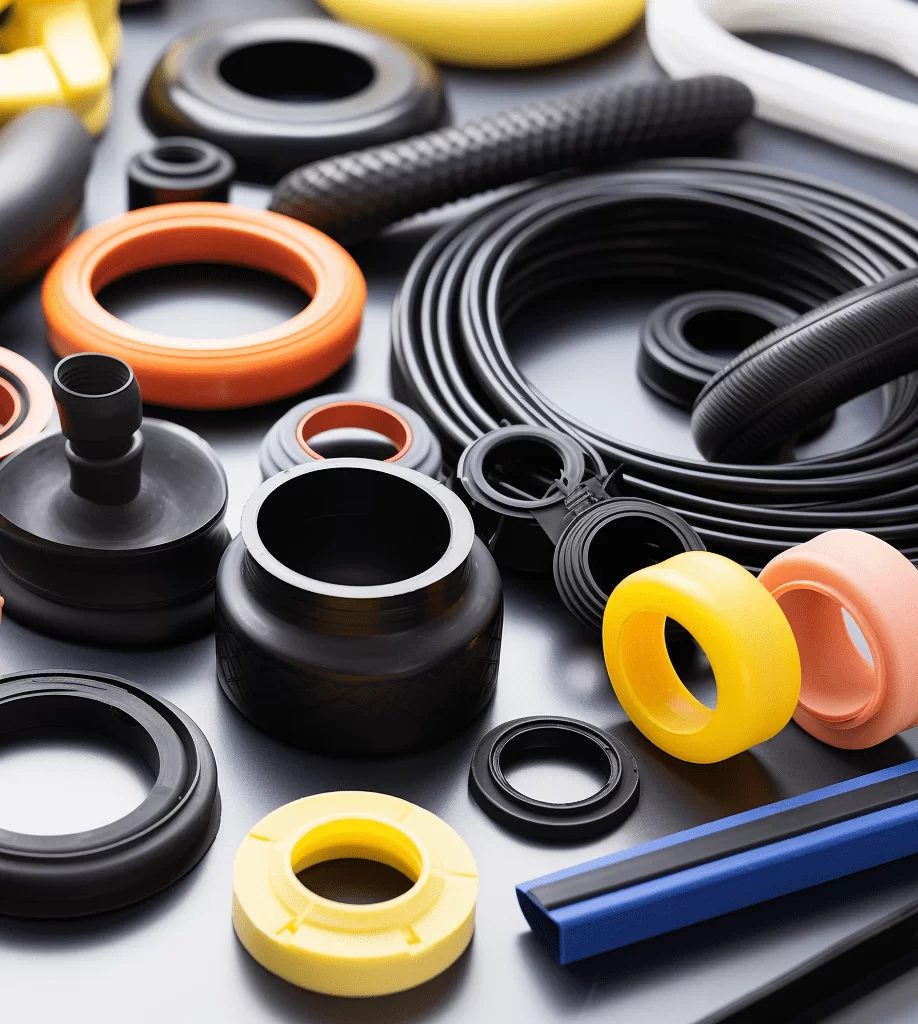 Buying Guides
Choosing the Right Surround Material for Your Driver
A surround spec that works fine on a bench sample can still fail in the field — cracking on a marine sub, going soft on a budget line, or costing more than the driver justifies. Here is how to actually pick the compound: by application first, environment second, sound goal third, and cost as the tiebreaker.
Read moreFrom research to RFQ