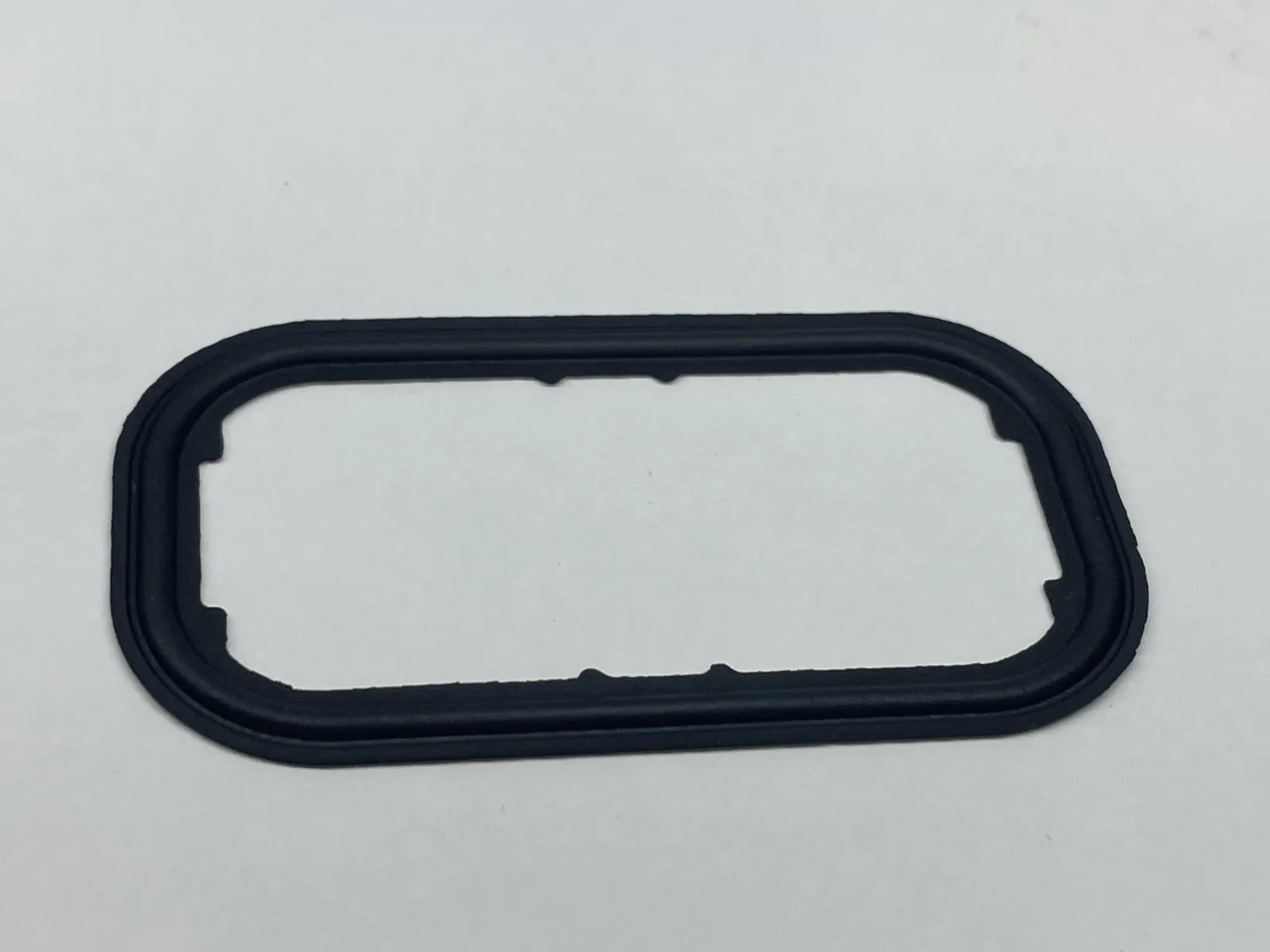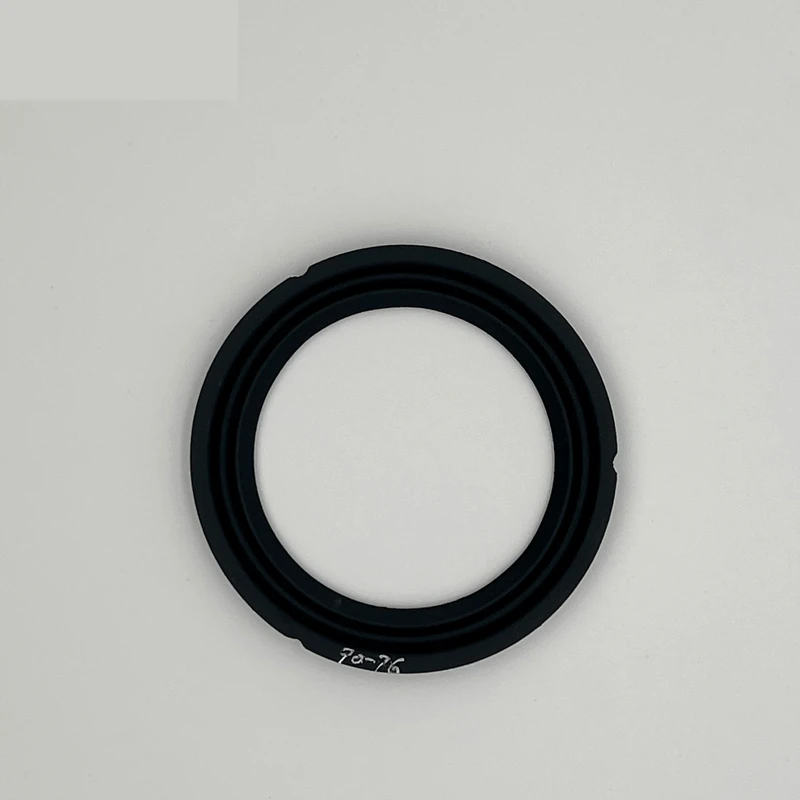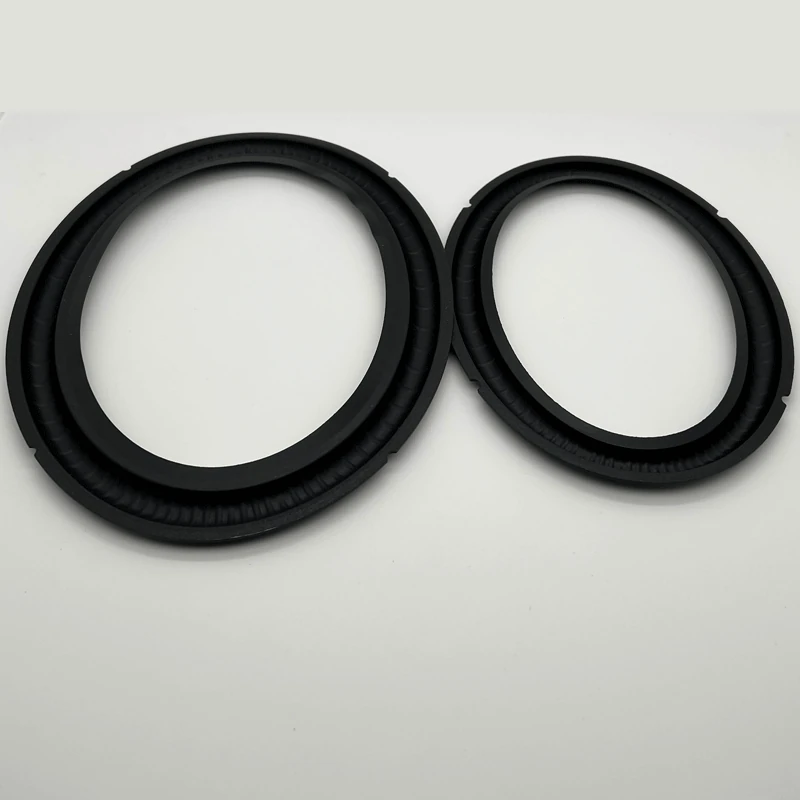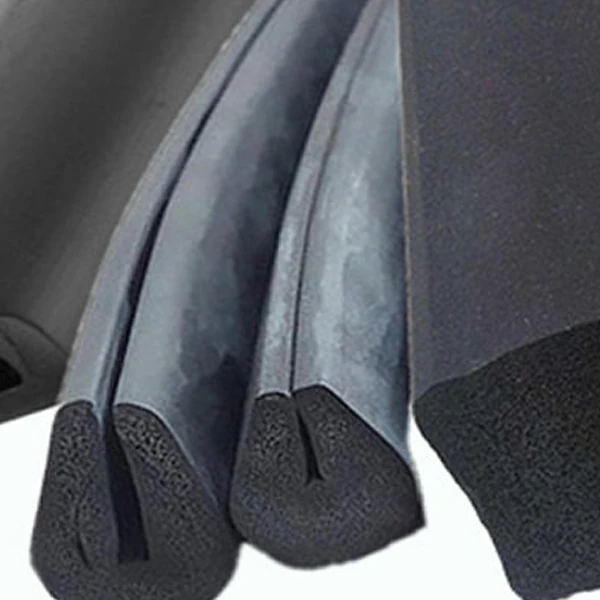
Rubber and foam are the two dominant surround materials, and the choice changes how a driver moves, how long it lasts and how it sounds. In short: rubber surrounds last longest and damp best for demanding woofers, while foam surrounds are lighter and more compliant for high-excursion, vintage or cost-sensitive designs. Neither is simply "better" — the right one depends on your driver, environment and target cost.
If you are sourcing for a speaker line or a repair batch, use the comparison below to match the surround to the job, then talk specs on our surrounds and components page.
Rubber vs foam at a glance
| Factor | Rubber surround | Foam surround |
|---|---|---|
| Ageing tendency | Compound-dependent; rubber options can be selected for ozone, weather or damping needs | Some foams can oxidize, soften or crumble; formulation and environment matter |
| Compliance | Firmer; controlled excursion, tight bass | Softer; higher excursion, deeper low end |
| Damping | High (especially butyl/IIR) — clean, low distortion | Lower — lighter moving mass, more open |
| Weight | Heavier | Very light |
| Cost | Moderate | Low |
| Best for | Premium woofers, outdoor/marine, long service life | High-excursion subs, vintage, weight-critical builds |
Sound: compliance, damping and bass
The surround, together with the spider, sets a driver's compliance — how freely the cone moves. A softer foam surround allows greater excursion for the same power, which can extend low-frequency output, and its low mass keeps the moving system light and responsive. A firmer rubber surround controls the cone more tightly; its higher internal damping (butyl in particular) suppresses unwanted resonances at the cone edge, which tends to read as cleaner, lower-distortion bass on a well-designed woofer. The trade-off is real, not marketing: light and open versus controlled and clean.
Durability and environment
Durability depends on the actual compound, environment and design rather than the words “rubber” or “foam” alone. Rubber provides more formulation routes for ozone, weather, oil or damping requirements. Some foam surrounds oxidize and crumble with age, heat, UV or humidity, while others remain suitable for years in controlled indoor use. Compound choice matters:
- IIR (butyl) — high damping and low air leakage; premium woofers
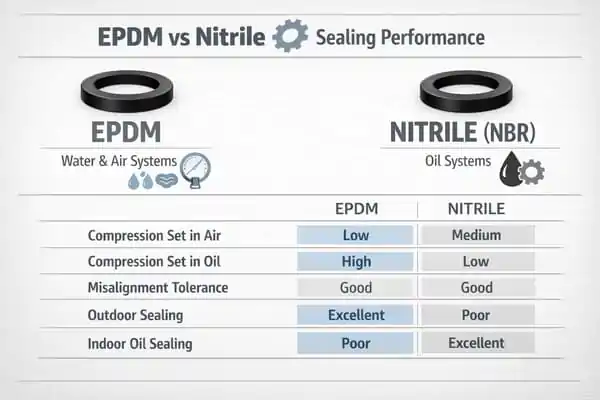
- EPDM — excellent weather and ozone resistance; outdoor and marine
- NBR — oil resistance, cost-effective general use
- SBR — economical, general-purpose surrounds
Foam still has a place: it is unbeatably light, and for some high-excursion subwoofers and vintage restorations it is the correct original spec.
Cost and when foam still wins
Foam surrounds are cheaper to produce and buy, which keeps them common in entry-level and high-volume designs. Choose foam when weight and compliance drive the design, when you are matching a vintage driver's original feel, or when cost per unit is the deciding factor and the product's expected service life is short.
How to choose for your build
- Long service life / outdoor: rubber (EPDM for weather, butyl for damping)
- Clean, controlled bass on a premium woofer: rubber (butyl/IIR)
- Maximum excursion / lightweight sub: foam
- Vintage restoration: match the original — often foam
- Lowest unit cost, short life: foam
Repairing one driver? Match the original material, glue lands, roll profile and compliance before changing material; use the replacement surround size guide. Sourcing replacement parts in bulk? Compare existing surround families and provide the driver models, dimensions and quantities. Developing a new driver? Use Tooling & Engineering to review material, geometry, tooling and approval criteria together.
FAQ
Do rubber surrounds sound better than foam?
Not universally. Rubber (especially butyl) damps edge resonances for cleaner, more controlled bass, which suits premium woofers. Foam is lighter and more compliant, favouring excursion and openness. The better choice depends on the driver and goal, not the material alone.
Which surround lasts longer, rubber or foam?
There is no universal lifetime from the material name alone. Rubber offers compounds such as EPDM for weather exposure and IIR for damping and low permeability; some foam formulations can oxidize or crumble sooner. Compare the actual compound, environment and validation requirement.
Can I replace a foam surround with a rubber one?
Often yes, if the size and roll profile match and the driver's parameters tolerate the slightly firmer compliance. Rubber improves durability, but a very high-excursion design tuned around foam may shift in response — confirm the fit and profile before committing to a batch.
What rubber compound is best for a subwoofer surround?
Butyl (IIR) is a common choice for its high damping and low air leakage; for outdoor or marine subs, EPDM adds weather and ozone resistance. Share the driver and application and a specialist can recommend the compound and Shore A hardness.