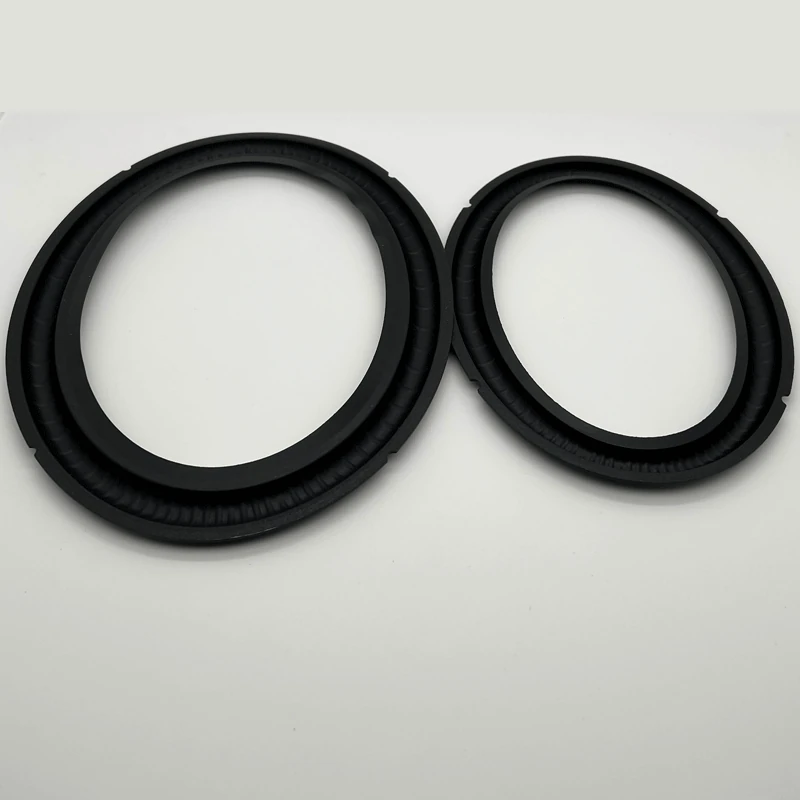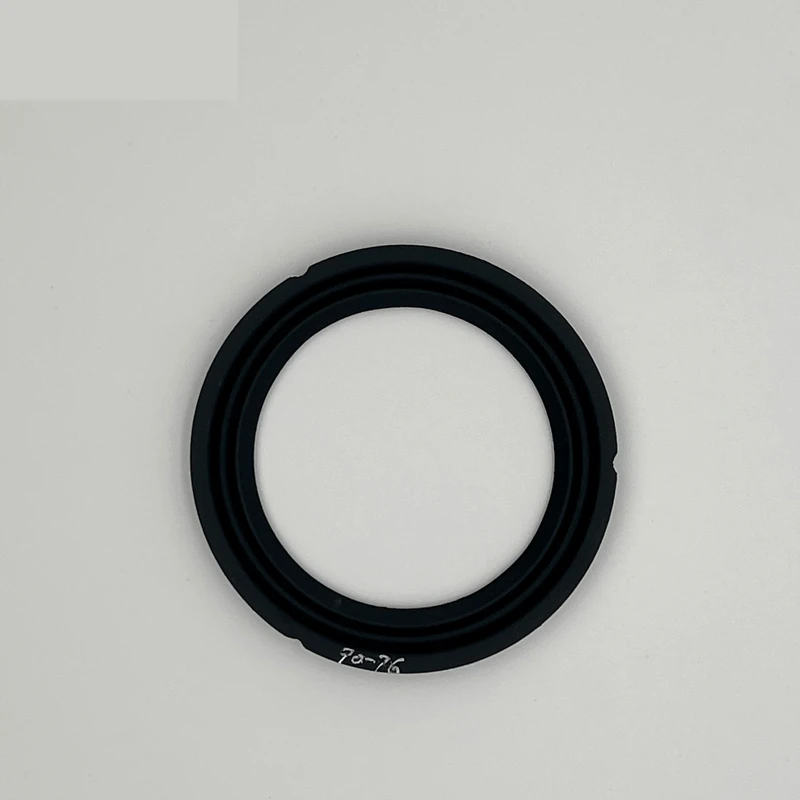
On July 24, 2026, the 10% global tariff imposed under Section 122 of the Trade Act automatically sunsets. Unlike Section 301 or Section 232 duties, Congress gave the President no extension authority here — the law caps Section 122 at 150 days, and the clock runs out this week.
If you import speaker surrounds, gaskets, diaphragms, or any molded rubber component from China, this changes your landed-cost math overnight. Here's exactly what happens, what stays, and how to time your next PO.
What Section 122 Was (and Why It's Leaving)
Section 122 of the Trade Act of 1974 lets the President impose a temporary surcharge (max 15%) on all imports to address a balance-of-payments deficit. The current 10% blanket tariff took effect in late January 2026. Because the statute hard-caps the duration at 150 days with no renewal mechanism, it expires by operation of law on July 24.
No presidential action can extend it. No congressional vote is needed to kill it. It simply ceases to exist at 12:01 AM ET on July 25.
The Tariff Stack After July 24: What You Actually Pay
Section 122 was a layer on top of existing duties. Removing it doesn't mean zero tariff — it means you lose one 10% slice. Here's the post-July 24 stack for typical rubber speaker components (HS 4016.93 / 8518.90):
Net effect: your all-in duty drops from ~37.5% to ~27.5% on most molded rubber speaker parts. That's a real 10-point saving on the customs value of every container that clears after the sunset date.
Timing Strategy: When to Ship, When to Hold
The 10% saving applies to goods entered for consumption (i.e., cleared through CBP) on or after July 25. Goods that arrived before that date but sit in a bonded warehouse can potentially be entered after the sunset — talk to your customs broker about warehouse withdrawal timing.
- If your goods are on the water: no action needed. As long as CBP entry is filed after 12:01 AM ET July 25, the 10% vanishes.
- If you're about to place a PO: ask your supplier to ship before July 20 so the vessel arrives within the 30-day CBP entry window after July 24.
- If goods are already in a US bonded warehouse: coordinate with your broker to file the withdrawal entry on or after July 25.
CPSC eFiling: The Other July Deadline You Can't Ignore
Effective July 8, 2026, the Consumer Product Safety Commission requires electronic filing (eFiling) for all consumer products subject to a Children's Product Certificate (CPC) or General Certificate of Conformity (GCC) before the shipment arrives at a US port.
What this means for speaker component buyers:
- If your surrounds or gaskets go into consumer electronics (Bluetooth speakers, soundbars, TV speakers), they likely fall under GCC requirements.
- Your importer of record must file certificate data through the CBP ACE portal before arrival, not after.
- Non-compliance = shipment hold at port. Budget 3–5 extra days for first-time eFiling setup if your broker hasn't done it yet.
China's IIR Anti-Dumping Duty: A Raw-Material Tailwind
In March 2026, China's Ministry of Commerce imposed anti-dumping duties of up to 30.1% on imported halogenated butyl rubber (IIR) from Japan and Canada. Counterintuitively, this is good news for Chinese rubber part manufacturers:
- Domestic IIR producers (Sinopec, Zhejiang Juhua) gain pricing power but also expand capacity to fill the gap.
- Chinese surround and gasket makers who source domestically see stable-to-lower raw material costs over the next 2–3 quarters as new capacity comes online.
- For you as a buyer: this means your Chinese supplier's material cost pressure eases, giving room to negotiate unit pricing — especially on butyl-based surrounds and EPDM gaskets.
The Section 301 Rate Gap: Parts vs. Finished Goods
Here's a structural opportunity that persists regardless of Section 122:
- Finished speakers (HS 8518.21/22/29): 10% under Section 301 List 4A
- Speaker parts & components (HS 8518.90): 25% under Section 301 List 3
If you're a brand that assembles speakers in the US or a third country, importing components (surrounds, gaskets, passive radiator diaphragms) at 25% and assembling domestically can still beat importing finished units at 10% + higher FOB cost. Run the math on your specific BOM — for rubber parts that are 5–15% of total speaker cost, the 25% component duty adds only 1.2–3.7% to landed cost.
EU Buyers: The €150 Threshold Is Gone
As of July 1, 2026, the EU eliminated the €150 duty-free threshold for low-value imports. Every shipment into the EU now attracts VAT and applicable duties regardless of value. If you're a European audio brand ordering sample kits or small-batch surrounds, budget an extra 3–6% for customs clearance on orders that previously sailed through duty-free.
How RubbLink Helps You Navigate This
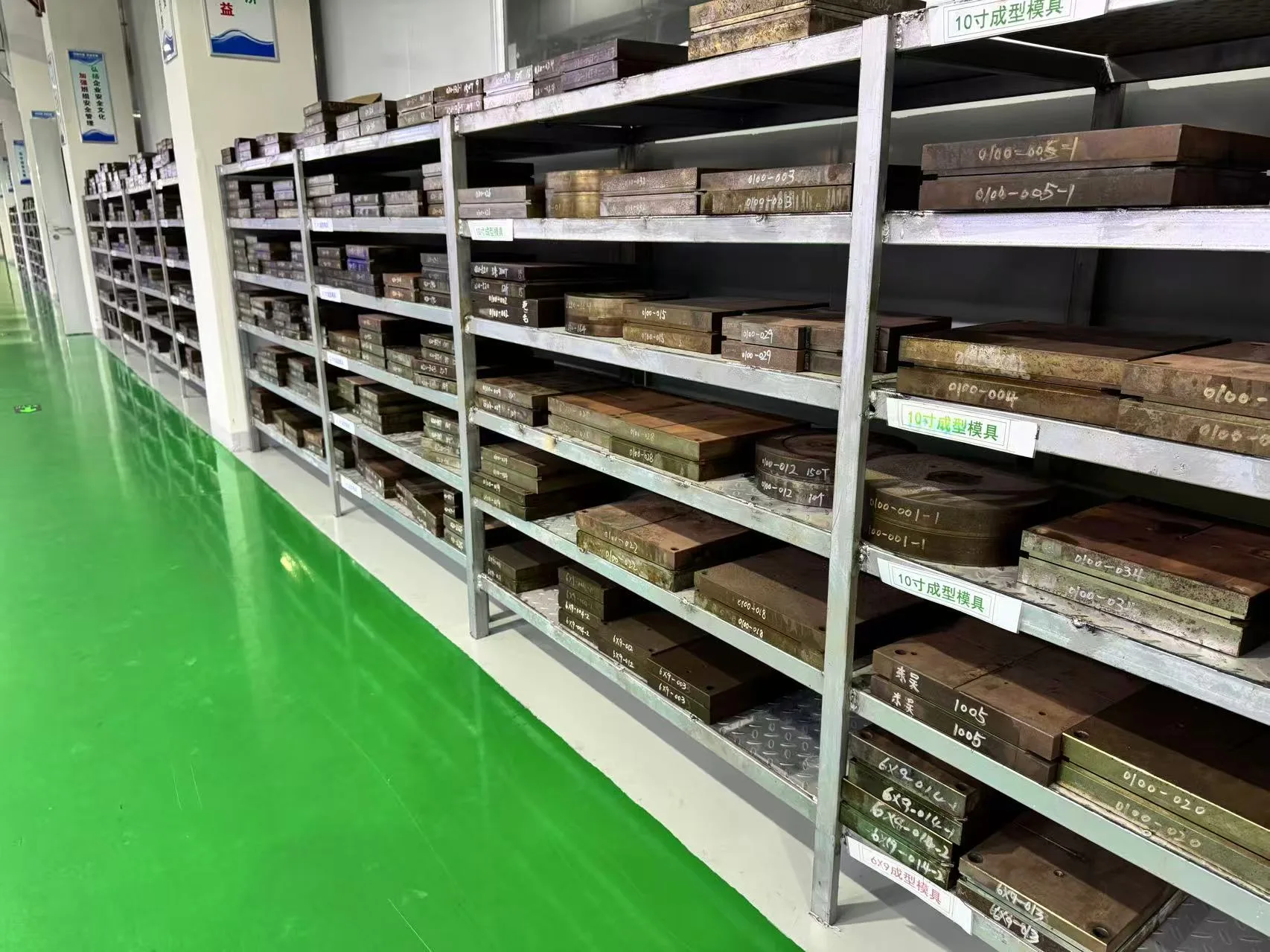
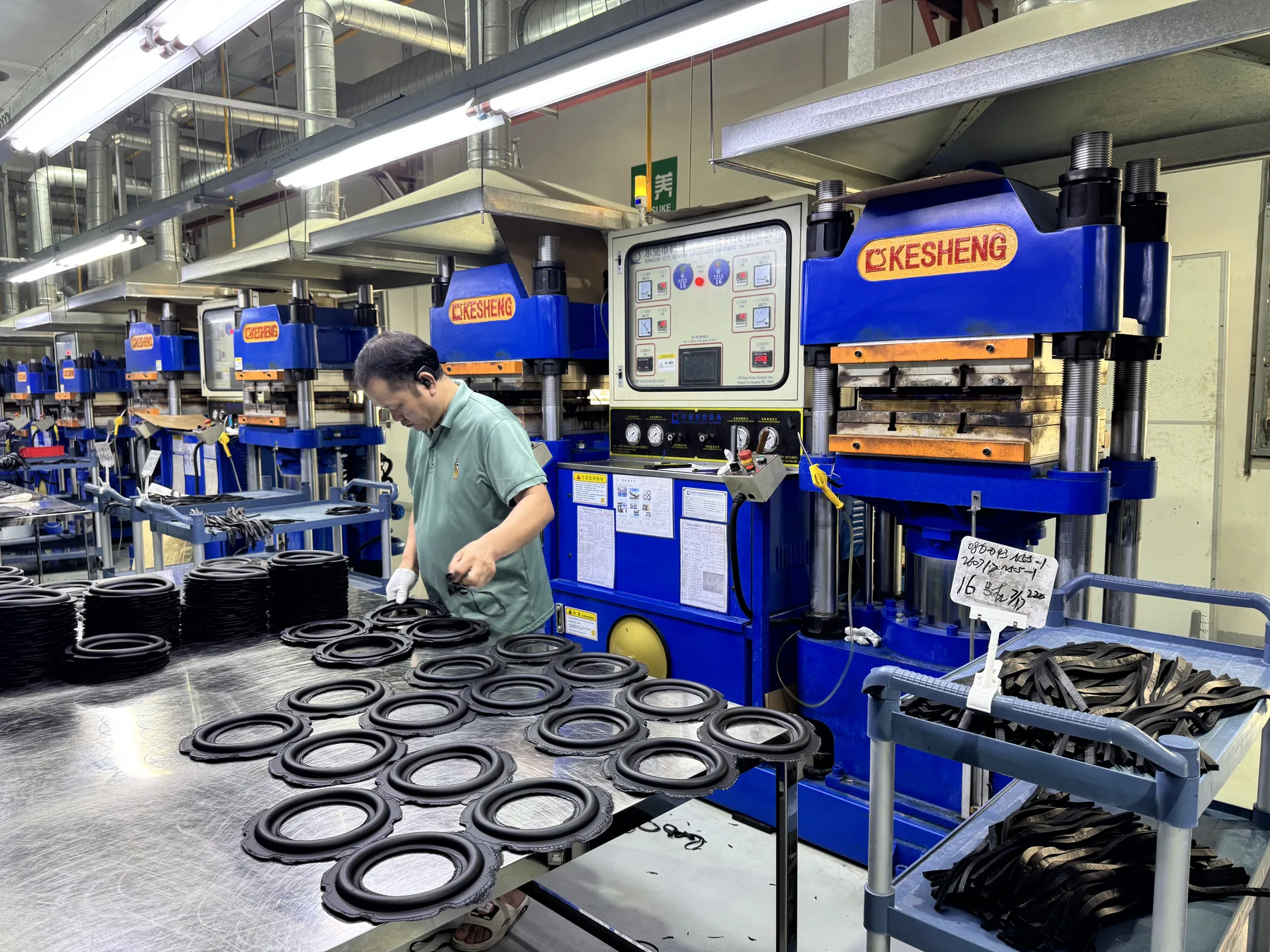
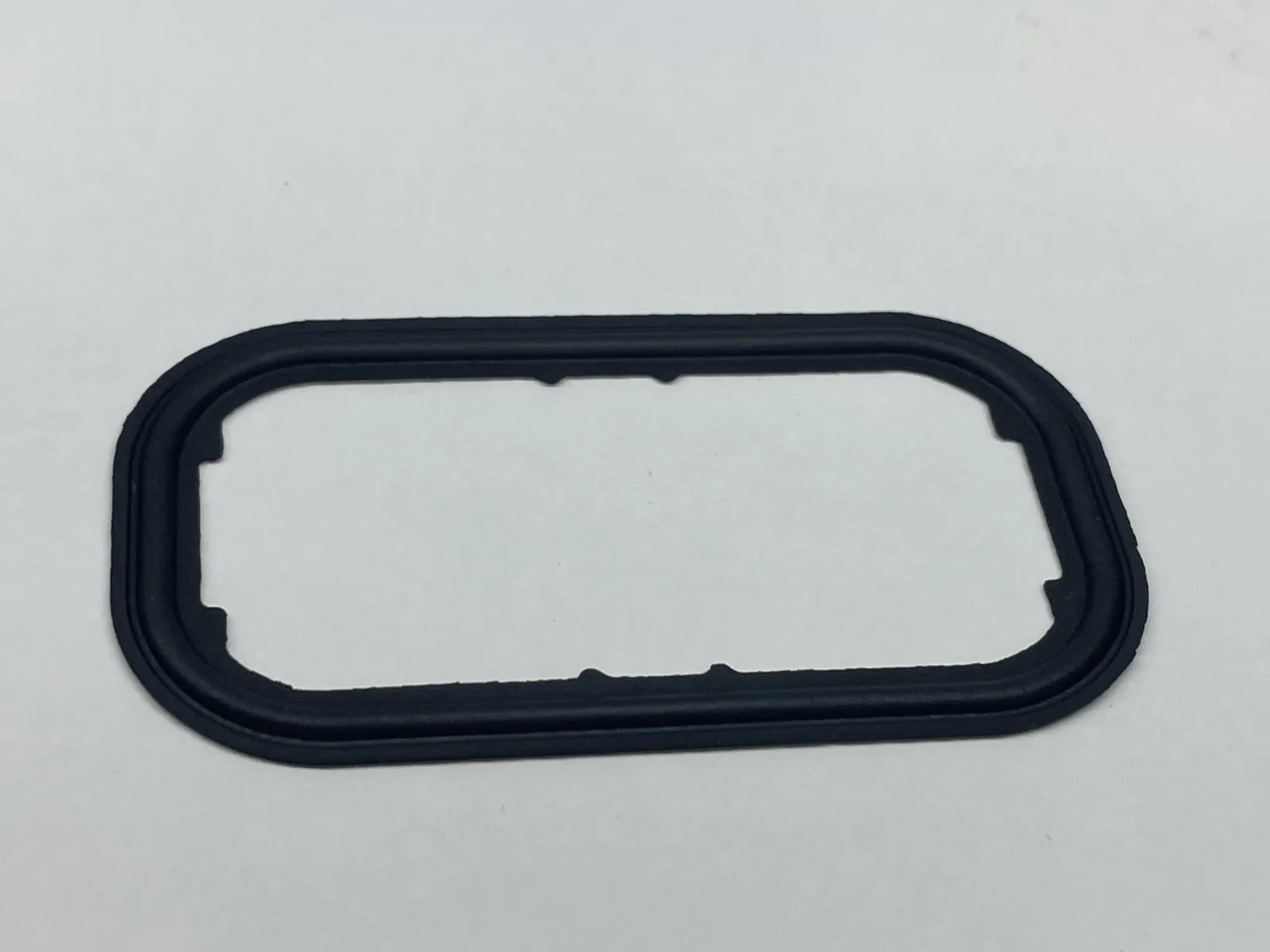
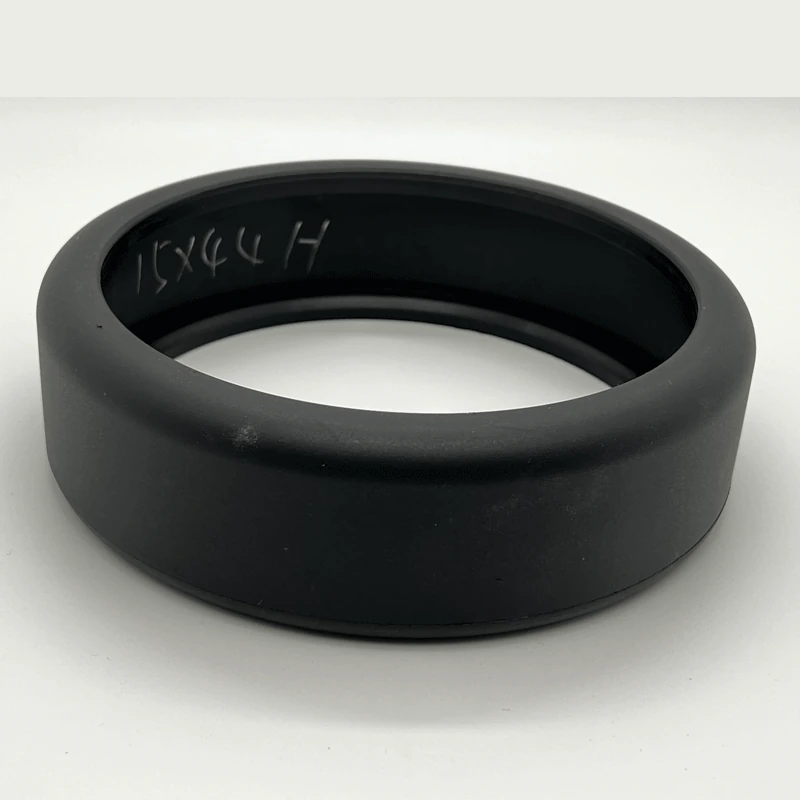
We manufacture speaker surrounds, gaskets, passive radiator diaphragms, and custom molded rubber parts for automotive audio, TV speakers, and consumer electronics. Here's how we make the tariff landscape work for you:
- HS code optimization: We help classify your parts correctly (4016.93 vs 8518.90) to ensure you're paying the minimum lawful duty.
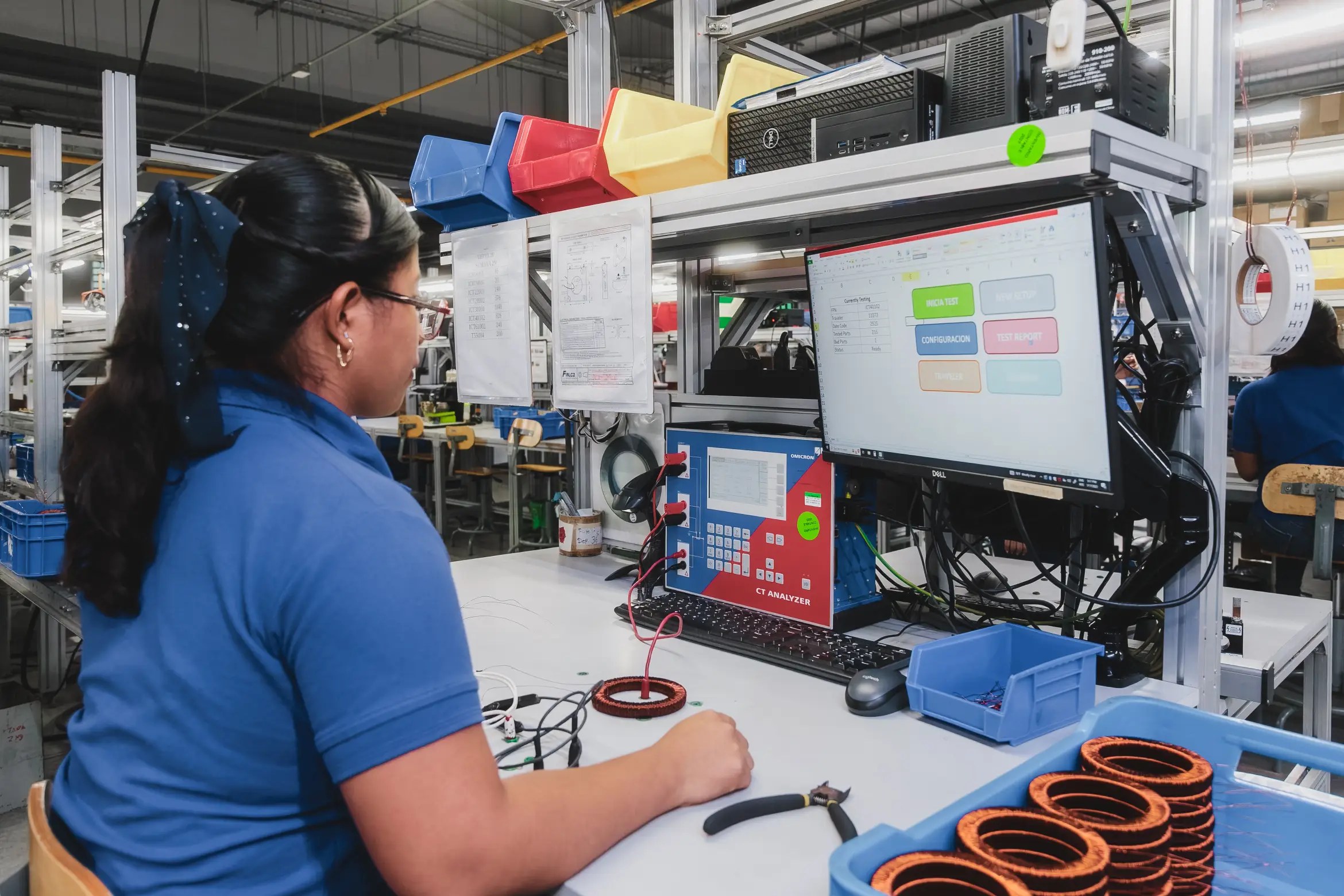
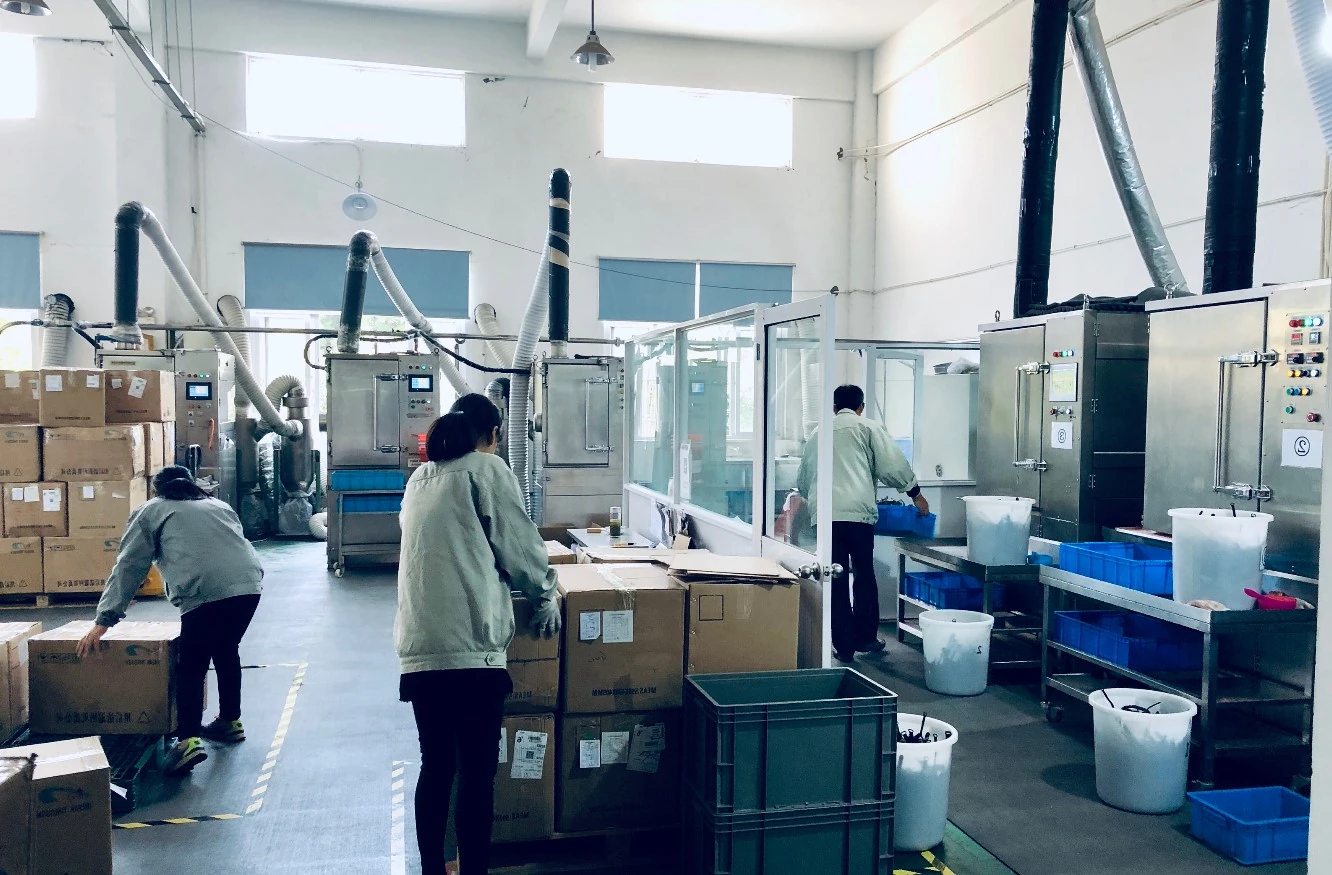
- Documentation ready: Every shipment ships with full material certs (RoHS, REACH), test reports, and GCC-ready documentation for CPSC eFiling.
- Flexible MOQ: Post-tariff savings mean you can order smaller batches more frequently without the 10% penalty eating your margin.
- Raw material advantage: Our domestic IIR and EPDM sourcing means stable pricing through 2026 H2.
Get a quote or browse our catalog to see current pricing with the post-July 24 duty structure reflected.
FAQ
Does the Section 122 expiry mean zero tariff on Chinese speaker parts?
No. The 25% Section 301 duty remains. You save the 10% Section 122 layer, bringing total duty from ~37.5% to ~27.5% for most rubber speaker components.
Can the President extend Section 122?
No. The statute (19 U.S.C. § 2132) caps the surcharge at 150 days with no extension mechanism. It expires automatically.
When exactly does the 10% stop applying?
Goods entered for consumption (CBP entry filed) on or after 12:01 AM Eastern Time, July 25, 2026, are not subject to the Section 122 duty.
Do I need to do anything for CPSC eFiling?
If you import consumer audio products or components into the US, your customs broker must file certificate data electronically via ACE before the shipment arrives. Confirm with your broker that eFiling is set up.
Will rubber part prices drop because of the IIR anti-dumping duty?
Chinese manufacturers sourcing domestic IIR should see stable-to-lower material costs over 2–3 quarters as expanded capacity comes online. This creates room for unit price negotiation on butyl-based surrounds and gaskets.