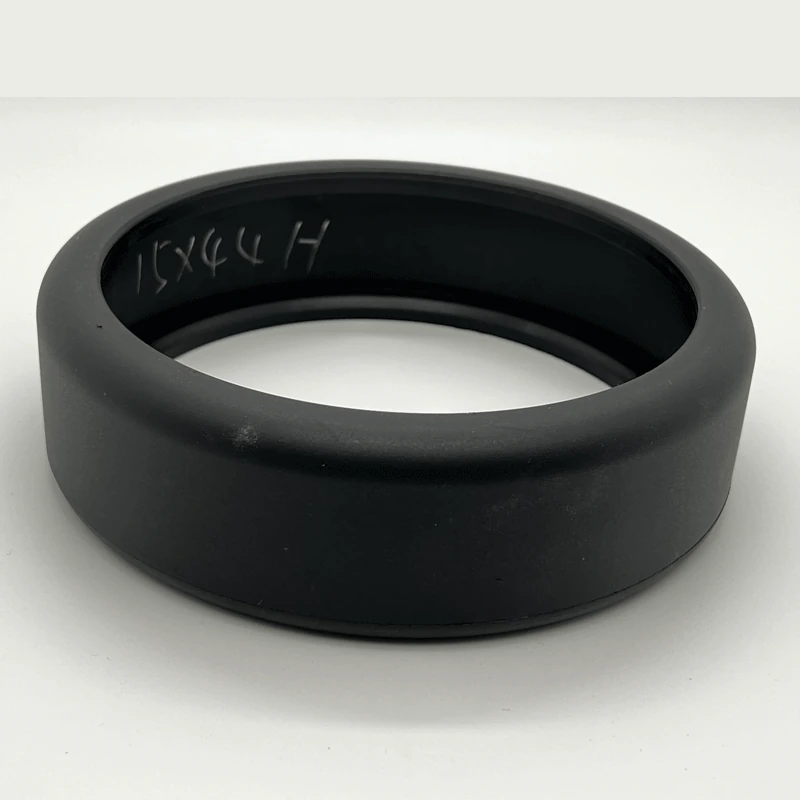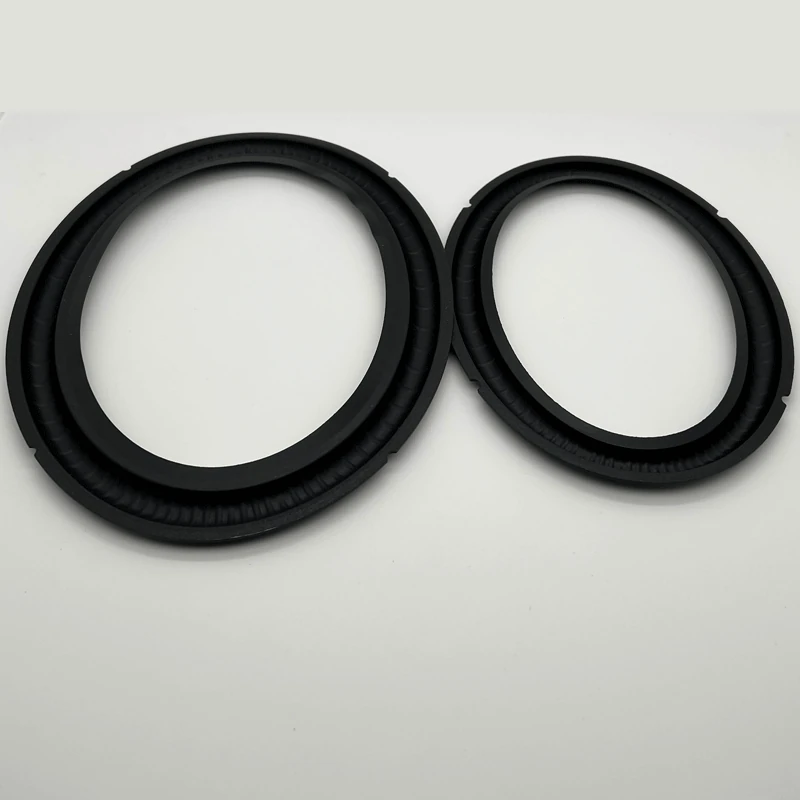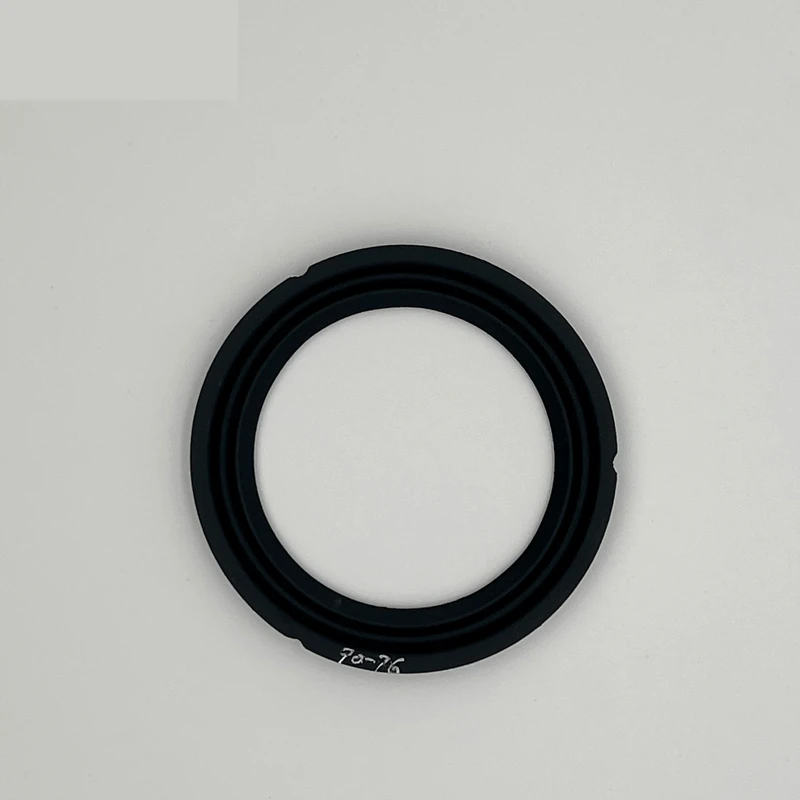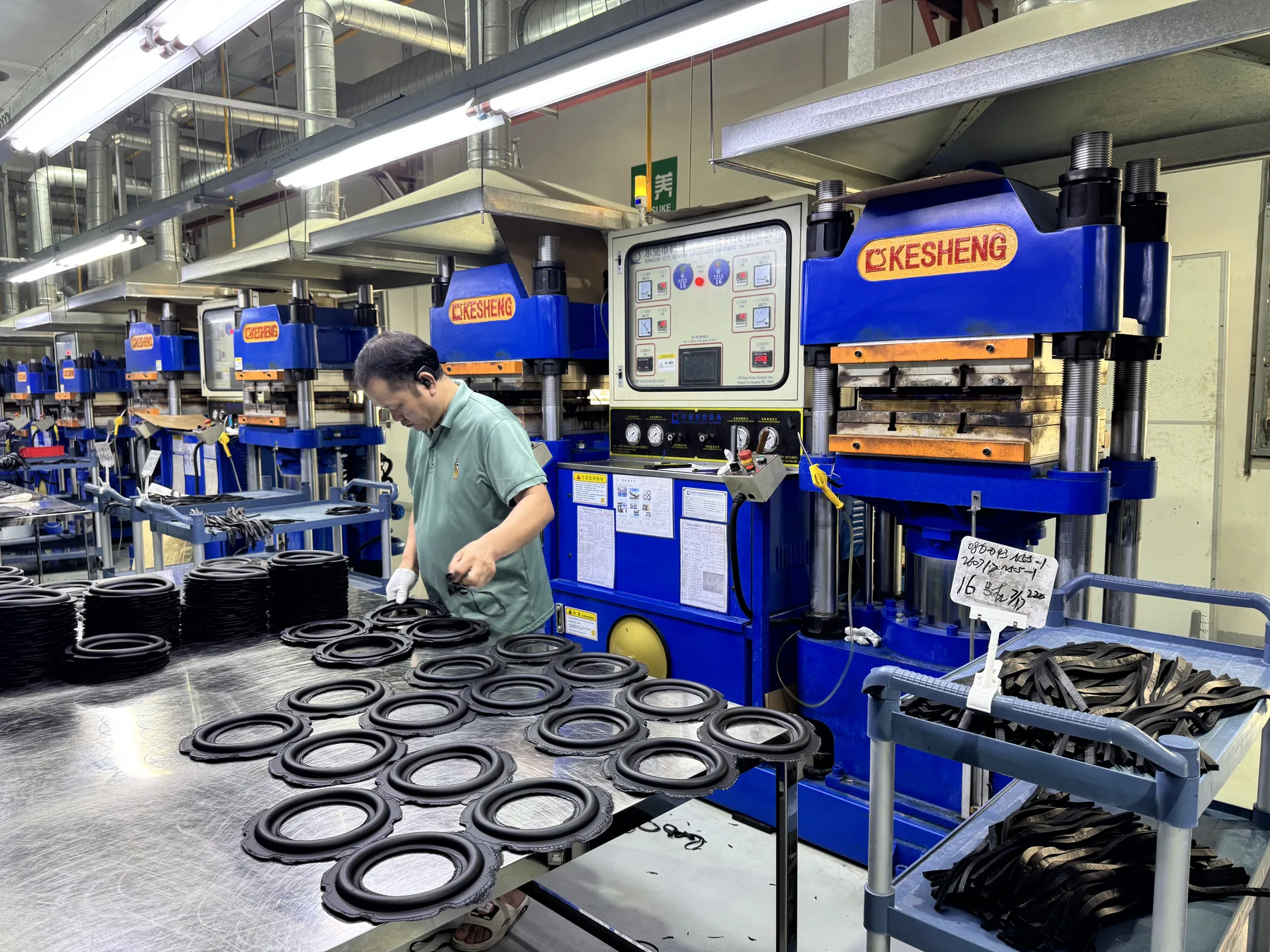
A stack of finished speaker surrounds can hide almost everything that matters. The parts may look identical on the bench, yet a small change in compound, cure or profile can alter how they flex in the driver. For a buyer, the useful question is not simply whether a supplier owns a molding press. It is whether the production route controls the material and the finished geometry from one batch to the next.
The photographs below follow that route across our source-factory network. They show the practical steps behind rubber and foam surrounds, passive-radiator diaphragms, gaskets and related molded parts. Exact settings remain product-specific, but the control points are broadly the same.
1. Raw material preparation
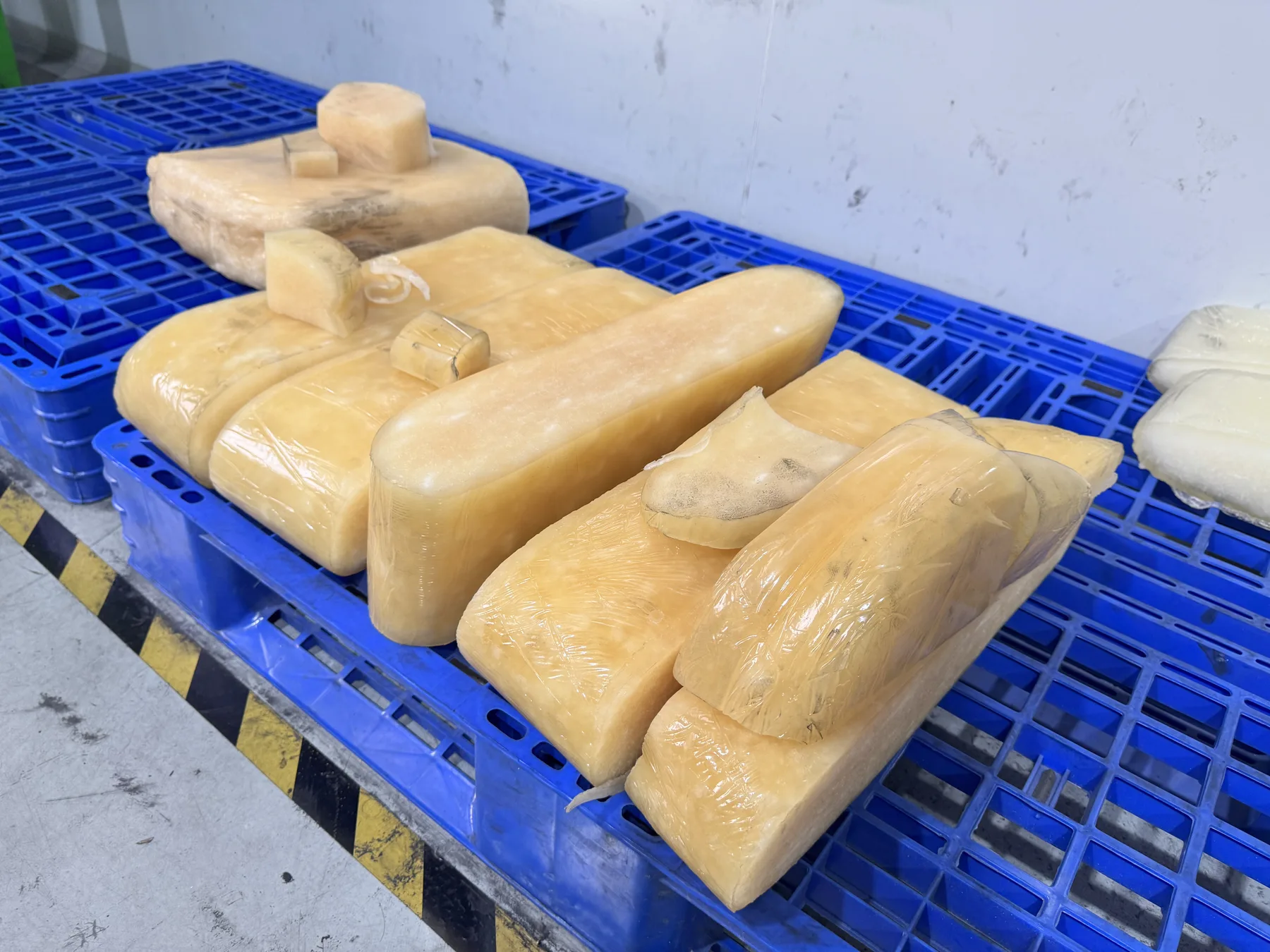
Production starts with the selected base rubber and specified additives. NBR, SBR, IIR (butyl), EPDM and foamed compounds cover different combinations of damping, weather resistance, cost and compliance. Flame-retardant, light-transmitting and custom-colour formulations are also possible when the application justifies a dedicated compound.
This is where an OEM project should connect the application to the material requirement. A surround for an indoor consumer speaker does not face the same heat, UV and moisture exposure as an automotive or outdoor component. If the buyer does not know the compound name, application conditions and an approved physical sample are often more useful than guessing.
2. Weighing and internal mixing
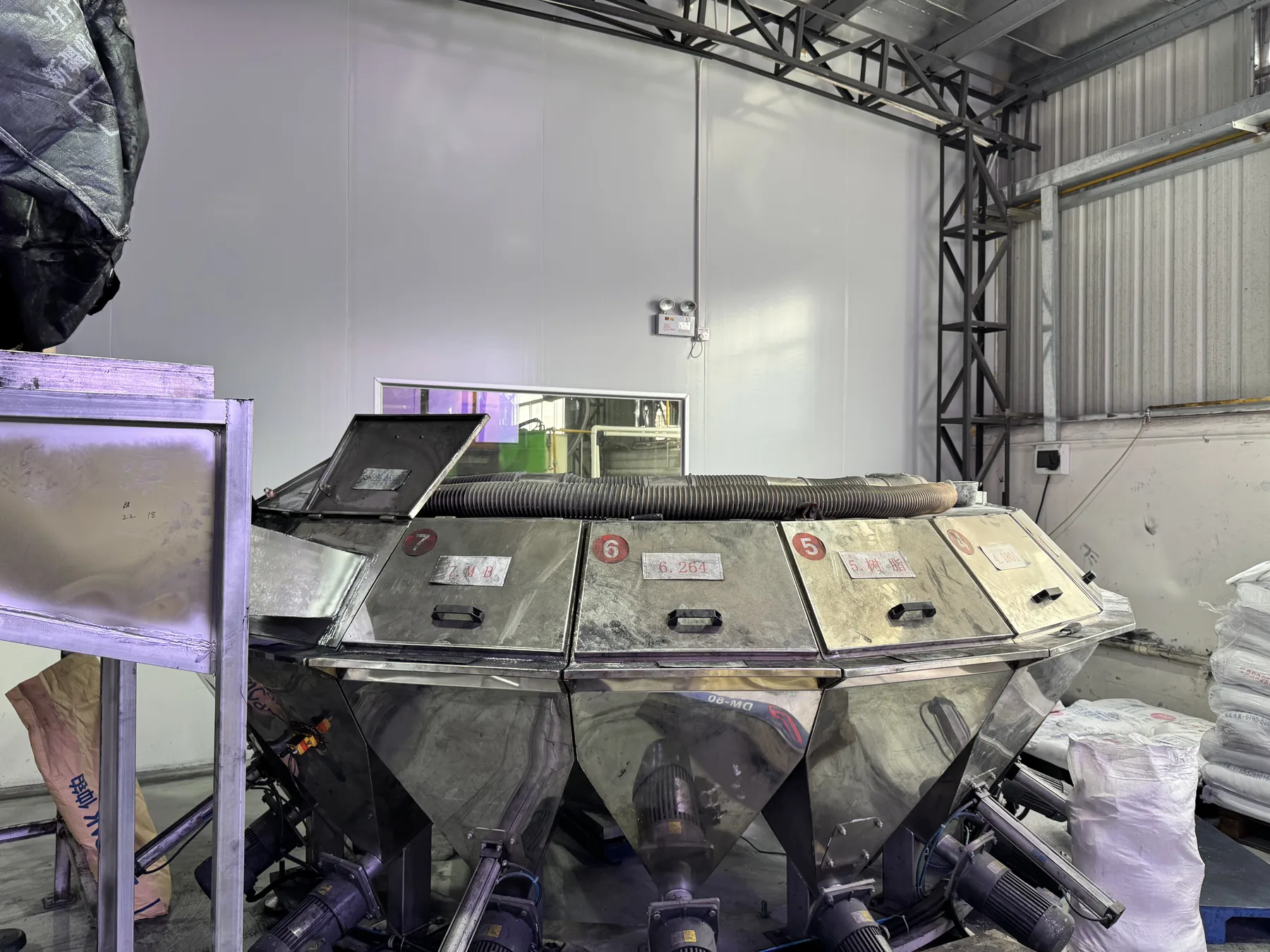
Specified ingredients are weighed before they enter the mixing stage. Controlled weighing does not replace a validated formulation, but it reduces one common source of batch variation: inconsistent additions at the start of the process.
An internal mixer then blends the rubber and additives into a working compound. Mixing affects dispersion and consistency, so material control cannot be judged from the finished part alone. Buyers handling repeat orders should ask how the approved compound is identified and whether an unapproved material substitution requires written confirmation.
3. Open-mill processing and sheeting
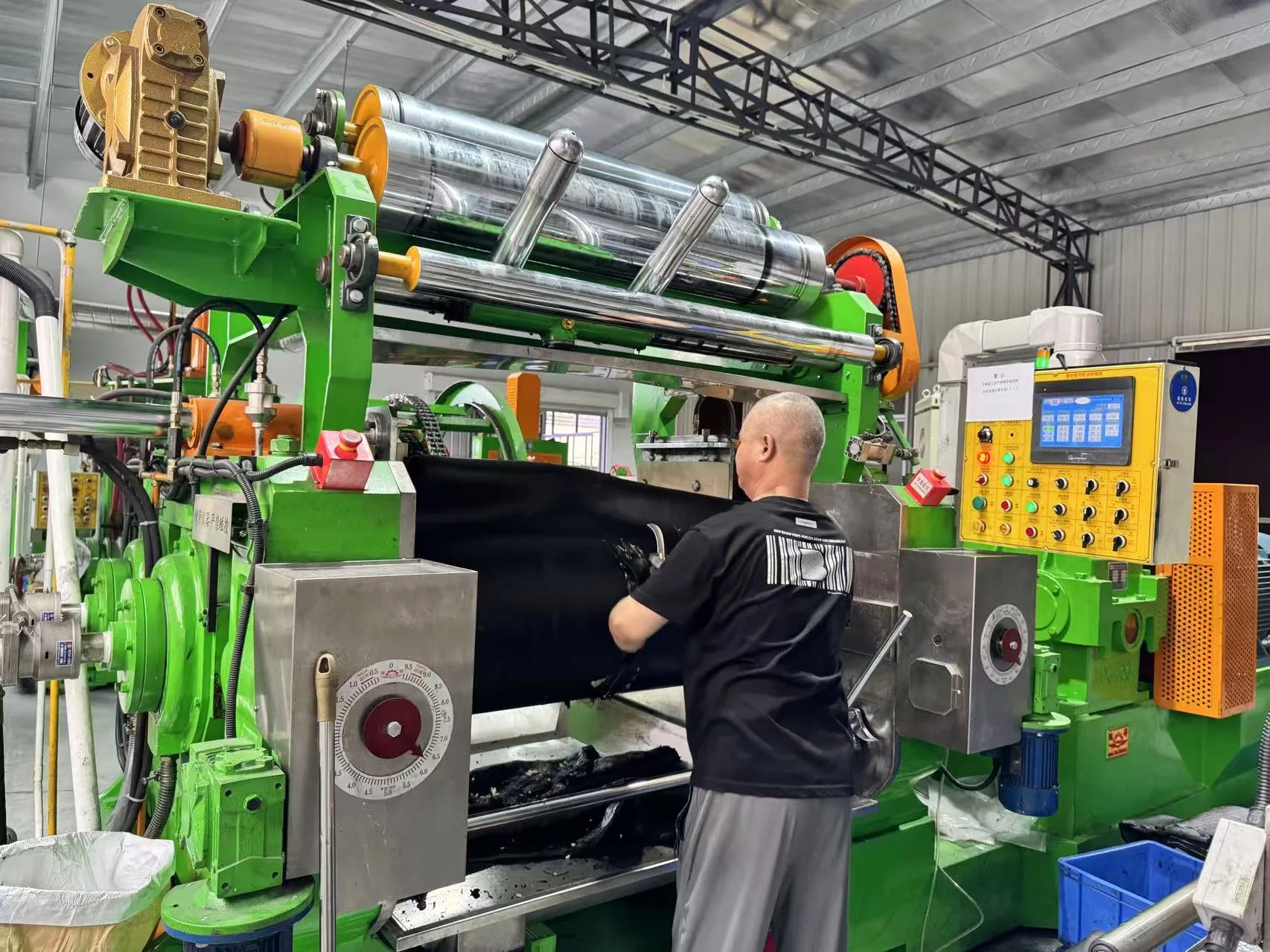
After internal mixing, the compound is worked on an open mill and formed into sheets. The material can then be cut or prepared as preforms for the selected mold. This stage connects compound preparation with the amount and shape of material entering the molding cycle.
For a custom project, the mold, preform and process need to be considered together. Sending only an outside diameter is rarely enough. A useful RFQ includes the full profile, critical dimensions, target hardness, application, annual volume and either a drawing or a representative sample. Our custom manufacturing process outlines the steps from technical review to sample approval.
4. Tooling, molding and curing
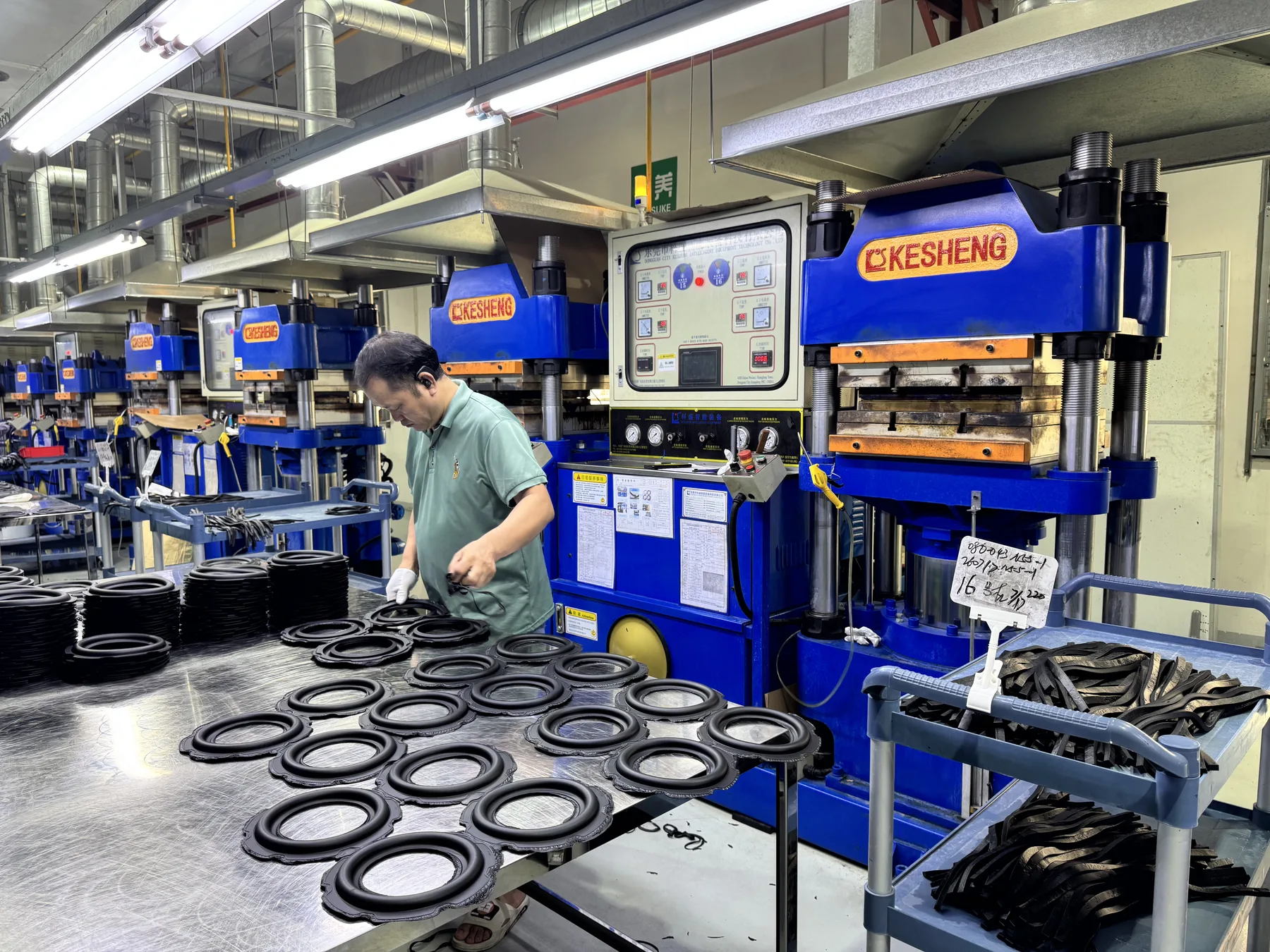
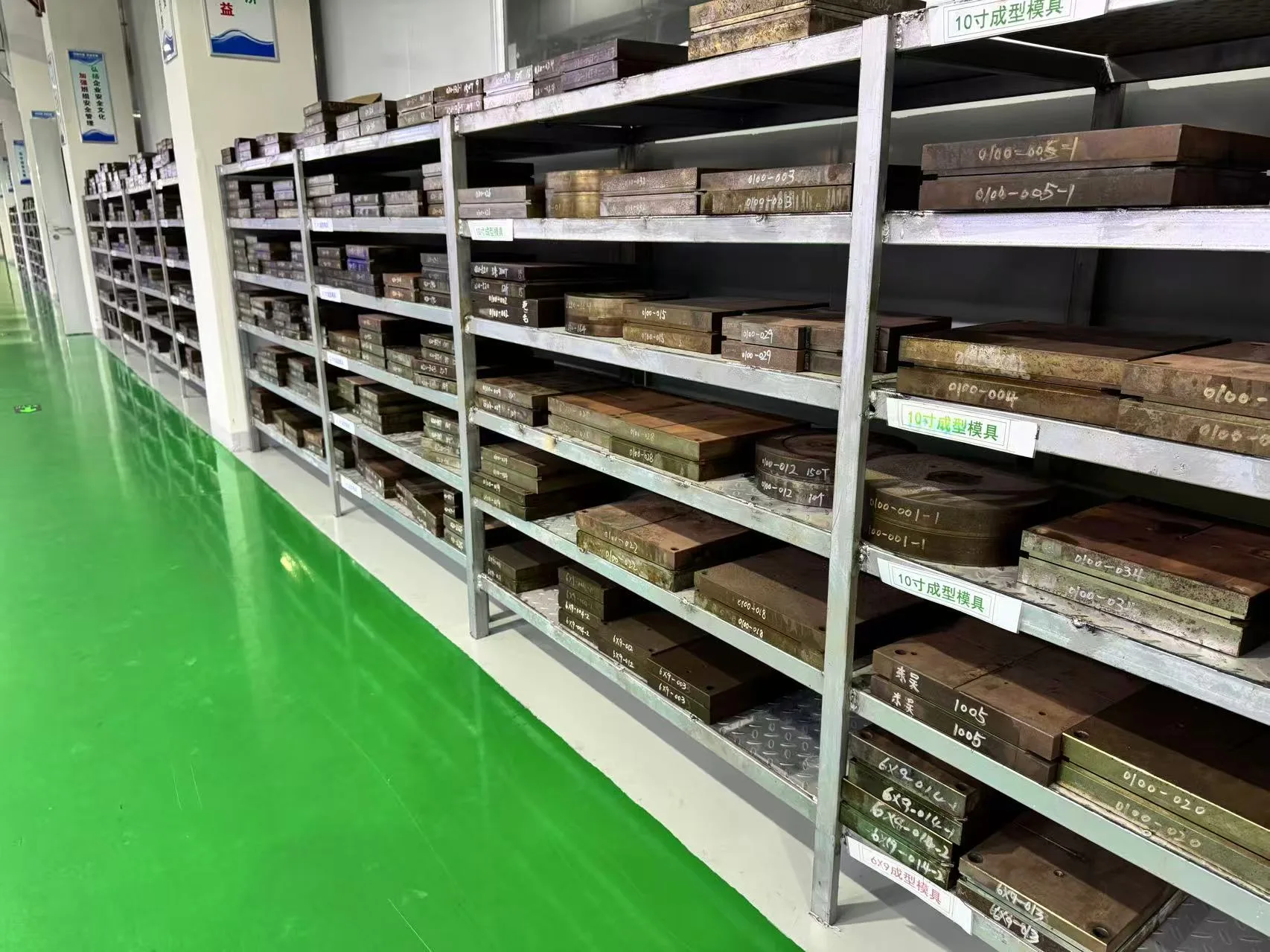
Compression molding forms the compound under heat and pressure. Tool geometry creates the roll profile, mounting edge and other features that determine how the part fits and moves. Existing reference tooling can sometimes shorten development, but a similar-looking mold is not automatically suitable. Ownership, dimensions, material behaviour and the approved result all need checking.
Once a sample is approved, its material, profile and finish become the practical reference for mass production. Changing a compound or moving production to another location may require revalidation. That matters in a multi-factory network: flexible capacity is useful, but it should never mean silently changing the approved production route.
5. Visual inspection and dimensional checks
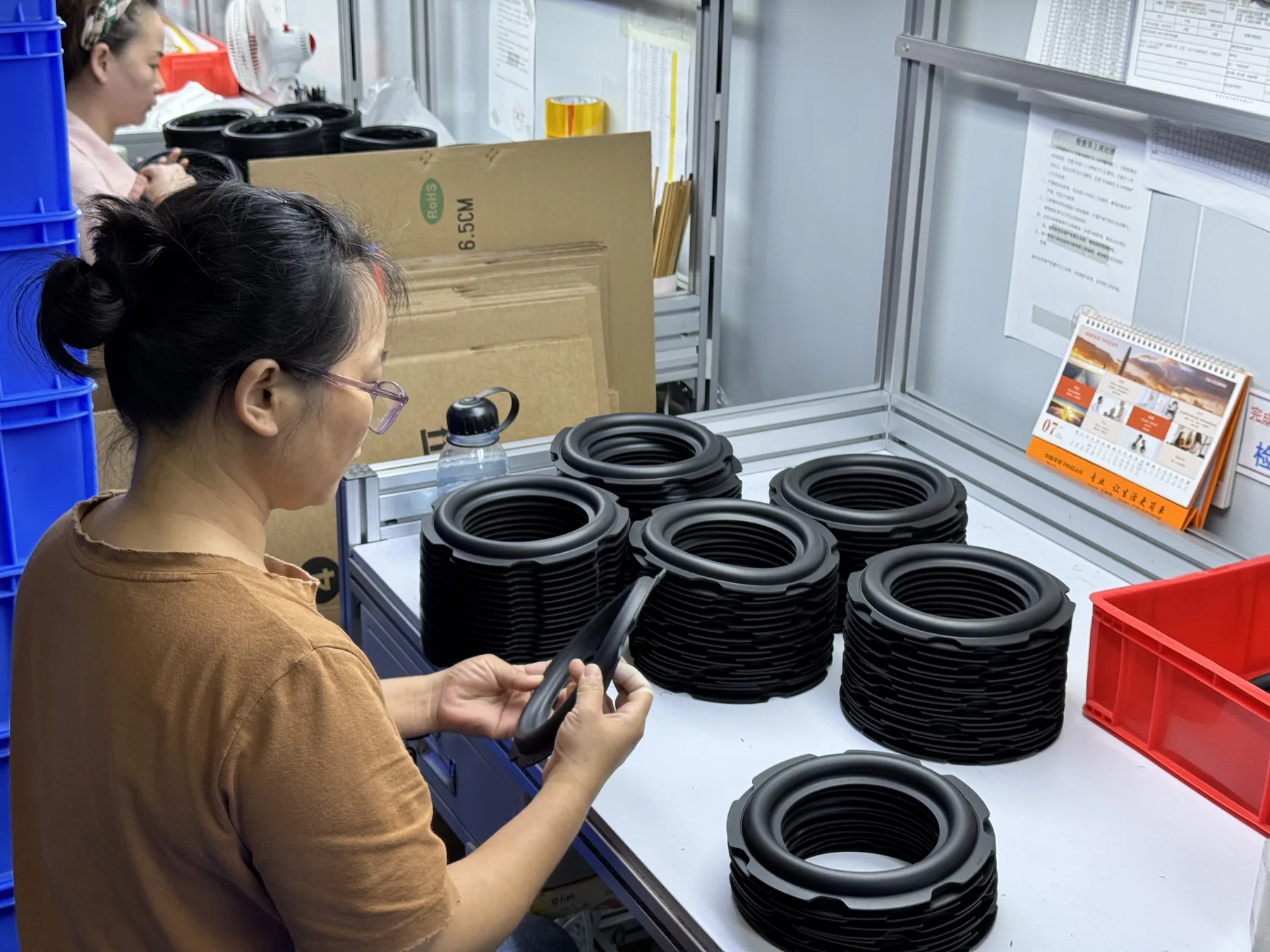
After molding and finishing, visual inspection looks for defects such as incomplete fill, excess flash, surface damage, contamination and inconsistent trimming. Dimensions and profile geometry can then be checked with calipers, gauges or a 2D optical measurement system, depending on the part and requirement.
Material-related checks may include Shore hardness, tensile properties or cure characteristics. Passive-radiator projects can also require F0 resonance checks because diaphragm mass and surround compliance influence enclosure tuning. Environmental tests such as UV ageing and controlled temperature and humidity are available when the project calls for them; the test method, duration and acceptance criteria should be agreed rather than assumed.
What a buyer should approve before mass production
- Drawing and critical dimensions: identify the features that affect assembly and movement.
- Material and hardness: record the approved compound requirement or reference sample.
- Appearance: define colour, finish, trimming and acceptable visual limits.
- Functional requirement: include F0 or application-specific performance where relevant.
- Inspection plan: agree which checks apply to incoming material, production and outgoing goods.
- Packaging: protect thin profiles and prevent deformation during international shipment.
A real factory photograph is useful evidence, but it is not a specification. The strongest sourcing package connects the drawing, approved sample, production route and inspection record. Buyers can review more of the actual equipment and workshops on our manufacturing network page, or browse the current speaker component range before sending an RFQ.
FAQ
What information is needed to quote a custom speaker surround?
Send a drawing or physical sample, material or application conditions, critical dimensions, target hardness, estimated order quantity and required testing. A target delivery date and destination country also help with planning.
Can an existing mold be used for a new project?
Sometimes. An existing profile can reduce development time when its dimensions, ownership and material behaviour match the requirement. The finished sample still needs buyer approval before mass production.
Are environmental tests performed on every order?
No. UV ageing, temperature and humidity, salt-spray and other tests are selected according to the product and application. The method and acceptance criteria should be confirmed during quotation or sampling.
How is consistency controlled across different production locations?
The approved material, drawing, sample and inspection requirements define the production baseline. A change that affects the approved result should be communicated and revalidated before bulk production continues.