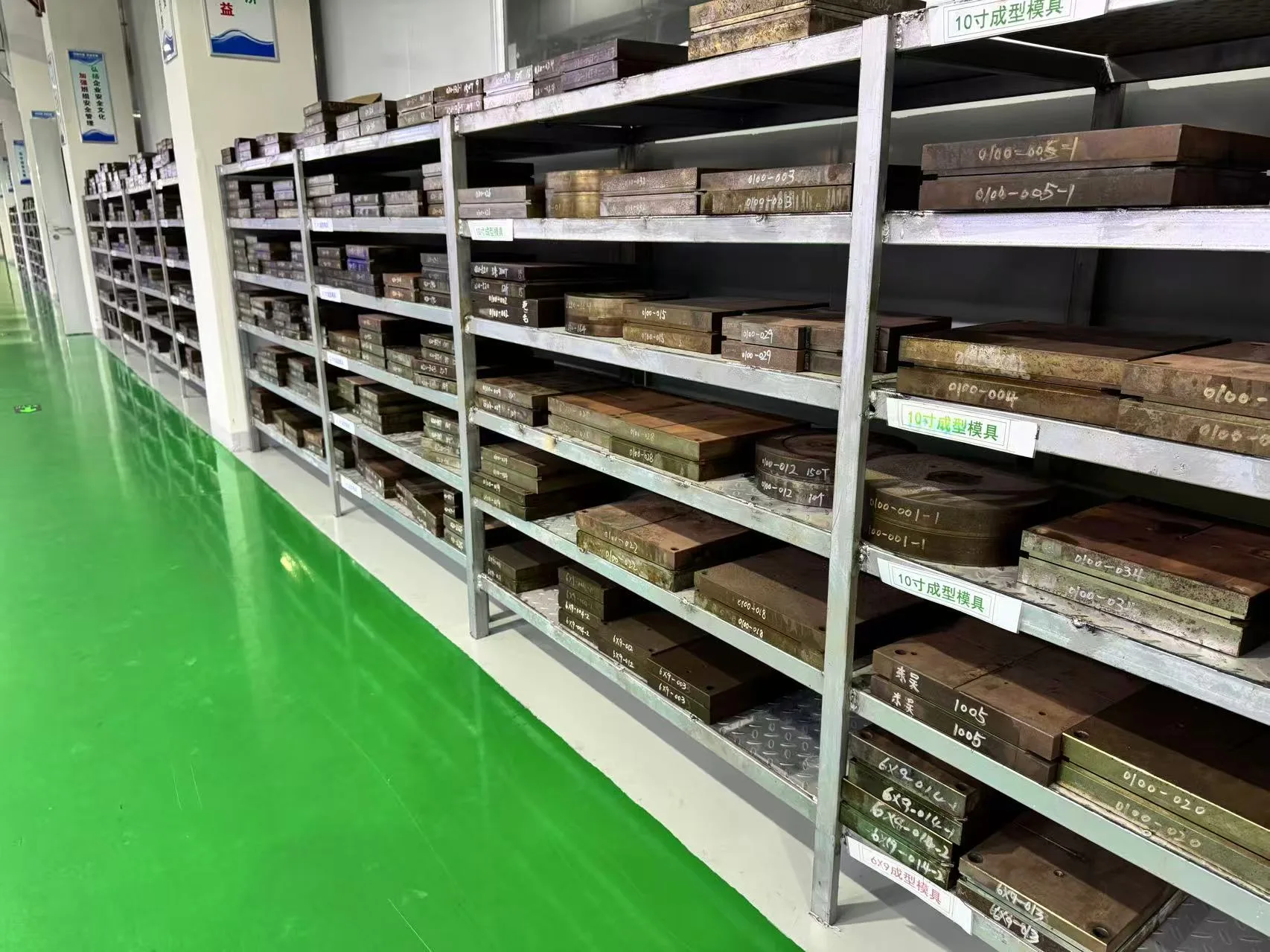
Can an existing mold be used?
A nominal diameter is not enough. Profile, mounting interfaces and critical dimensions must be compared before existing tooling is confirmed.
OEM/ODM · Tooling & engineering
Engineering begins by making the unknowns visible: interface geometry, tolerances, material behavior, tooling status and the evidence required for approval.
Buyer questions
A nominal diameter is not enough. Profile, mounting interfaces and critical dimensions must be compared before existing tooling is confirmed.
A sample can establish geometry and a physical reference, while application targets and material requirements still need buyer input.
Selection follows function, environment, bonding, dynamic behavior and the result that must be approved—not a material name alone.
An approved drawing or defined dimensions, an approved physical sample and agreed acceptance criteria create the repeat-production baseline.
Real factory evidence
The images below support specific development tasks. They do not replace project drawings, sample approval or a documented mold assessment.
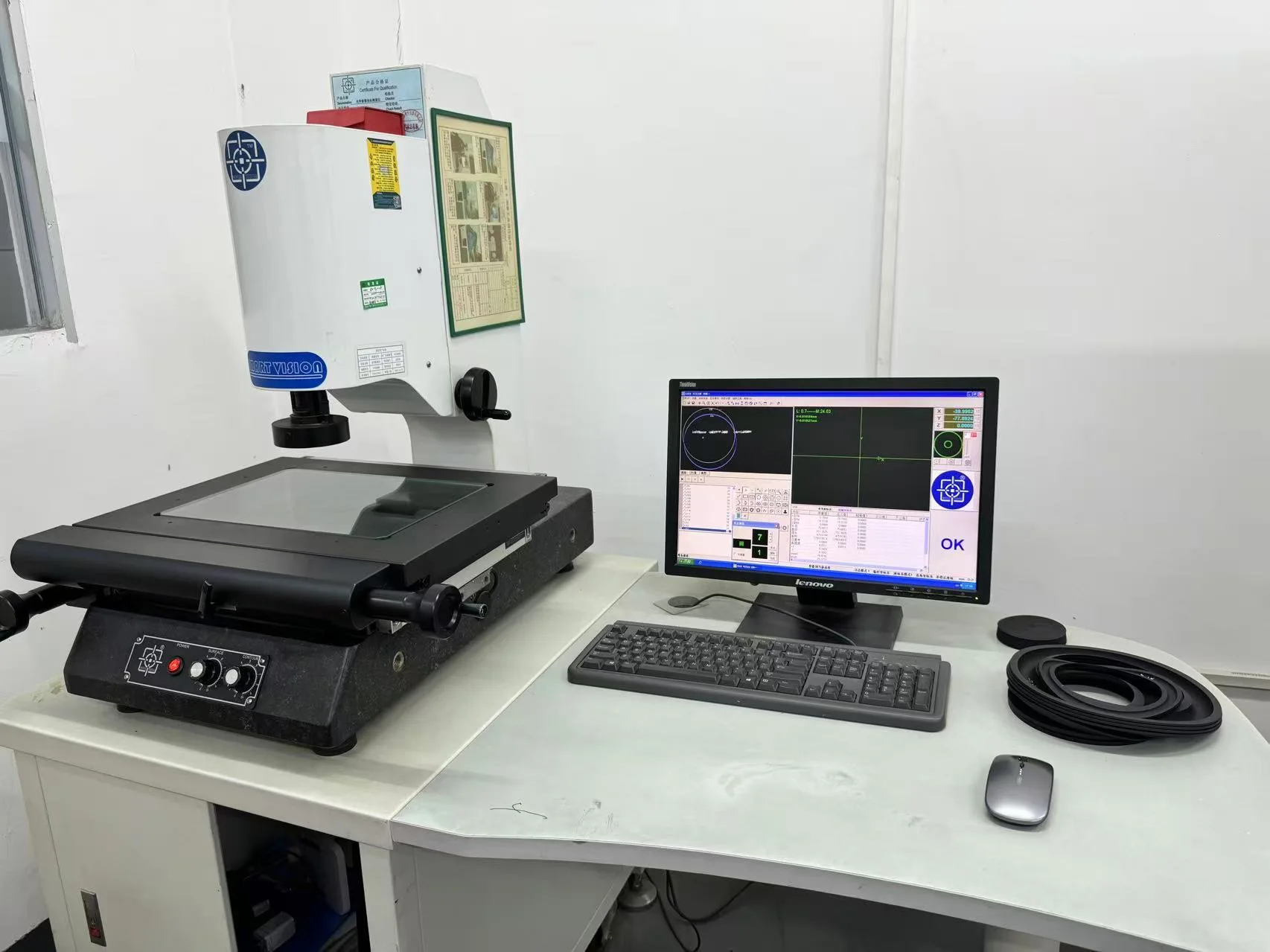
Measurement
Suitable measurement methods help compare profiles, interfaces and dimensional changes during development.
Tool assessment
Existing tooling is checked against the actual part; unmatched geometry may require modification or a new mold.
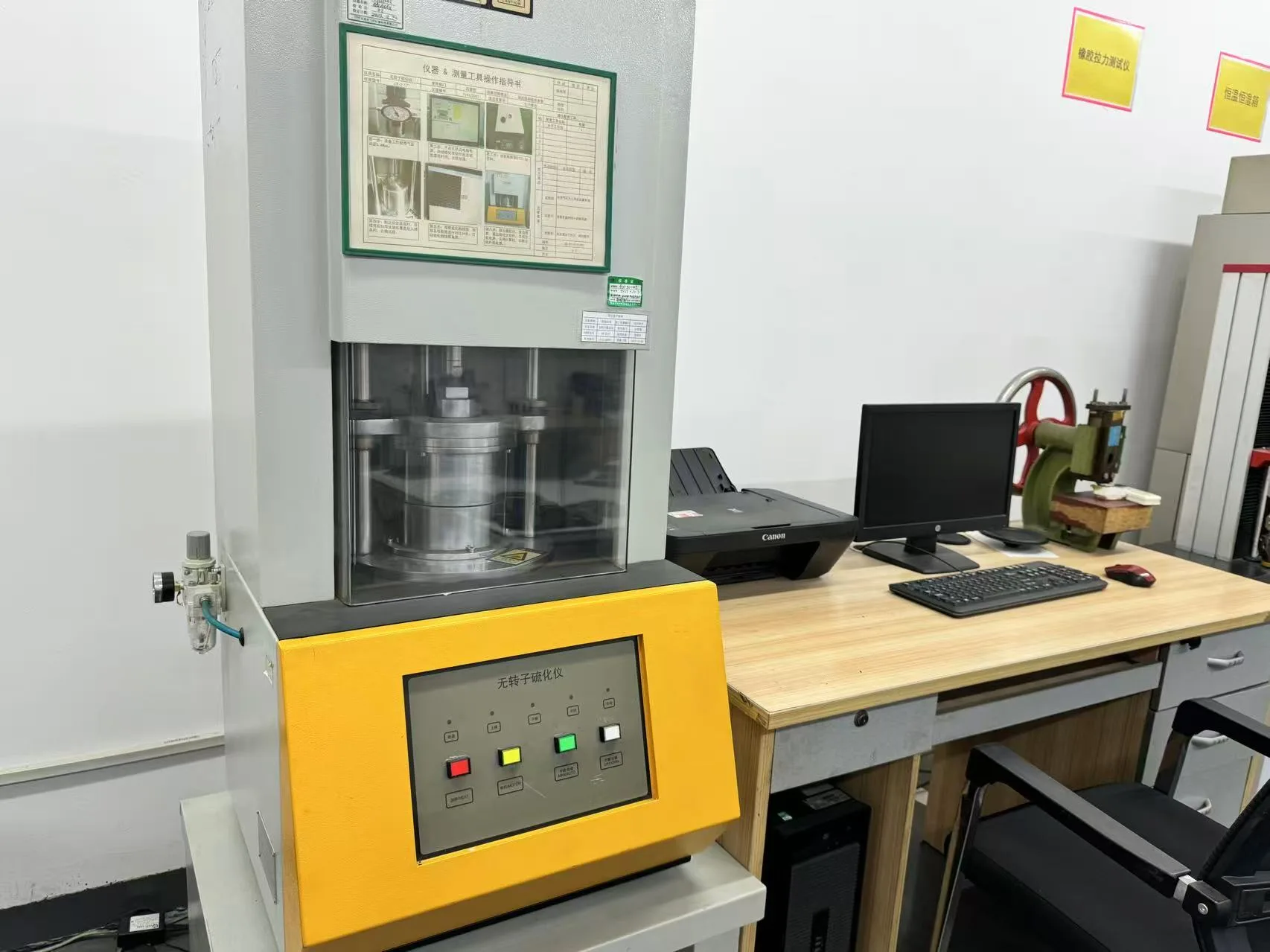
Material development
Cure and material checks can support process development when they are relevant to the approved specification.
Project workflow
Identify what is known from the drawing, sample, mating part and application.
Confirm critical geometry, material target, tolerance and validation needs.
Compare existing molds, modification feasibility and new-tool requirements.
Evaluate trial samples against the agreed baseline before bulk release.
Explore the evidence
From sample or drawing to measurable tooling and approval criteria.
Review capabilitySee how material, tooling and process determine the production route.
Review capabilityDefine the baseline, inspection method and evidence required by the project.
Review capability