What is the inspection baseline?
The drawing, approved sample, material agreement and appearance criteria define what production must match.
OEM/ODM · Quality & validation
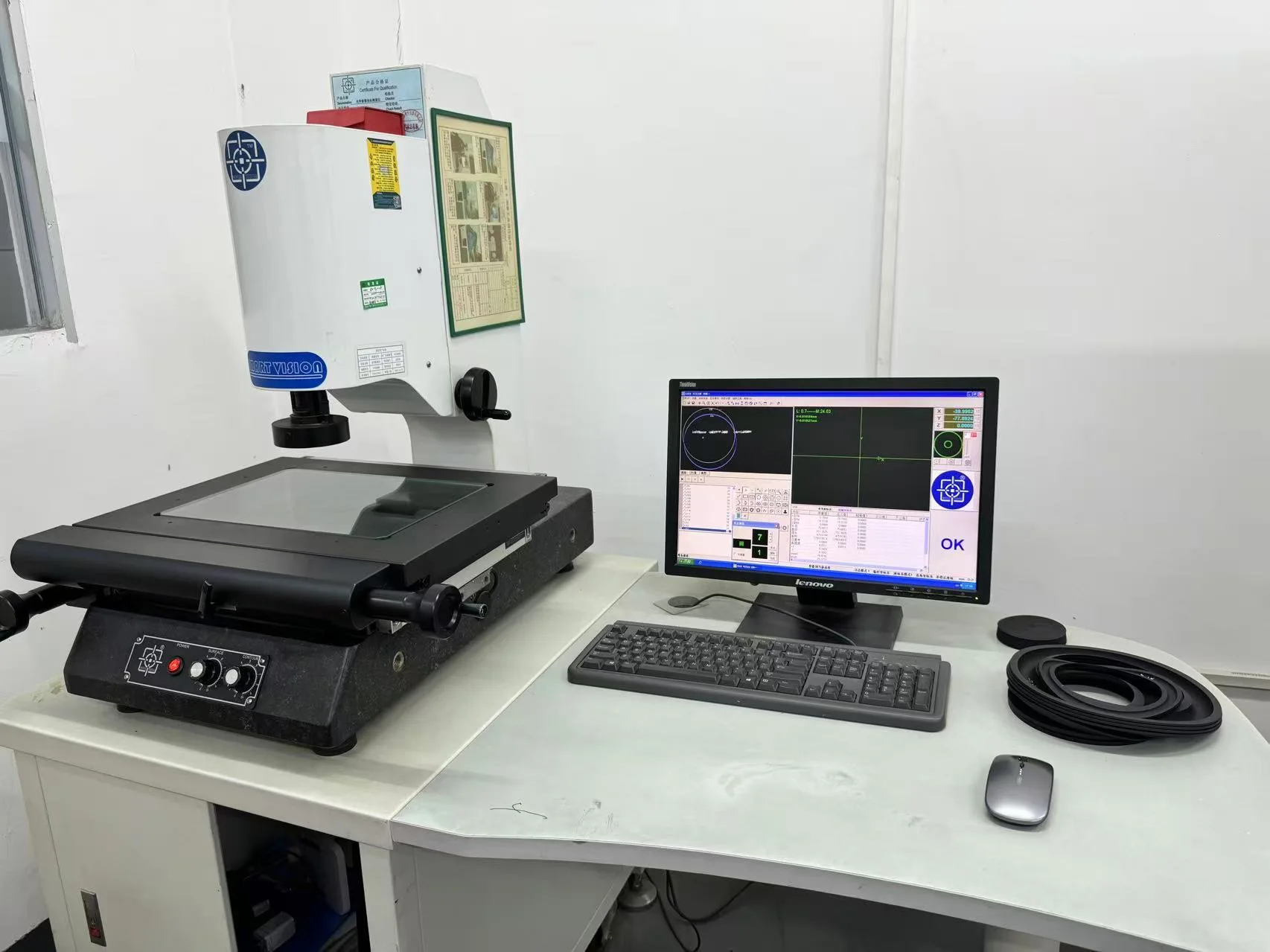
Quality is not a list of machines. It is an agreed baseline, a relevant inspection method, a record of the result and a clear response when the result is outside the requirement.
Buyer questions
The drawing, approved sample, material agreement and appearance criteria define what production must match.
Visual and dimensional controls may be routine, while cure, tensile or environmental testing depends on risk and the commercial agreement.
Available factory records, material documents or arranged third-party testing are confirmed by project, scope and required reporting format.
The agreed plan should define isolation, review, corrective action, reinspection and buyer communication before shipment release.
Real factory evidence
Testing is valuable only when its method, condition and acceptance requirement relate to the way the part can fail in use.
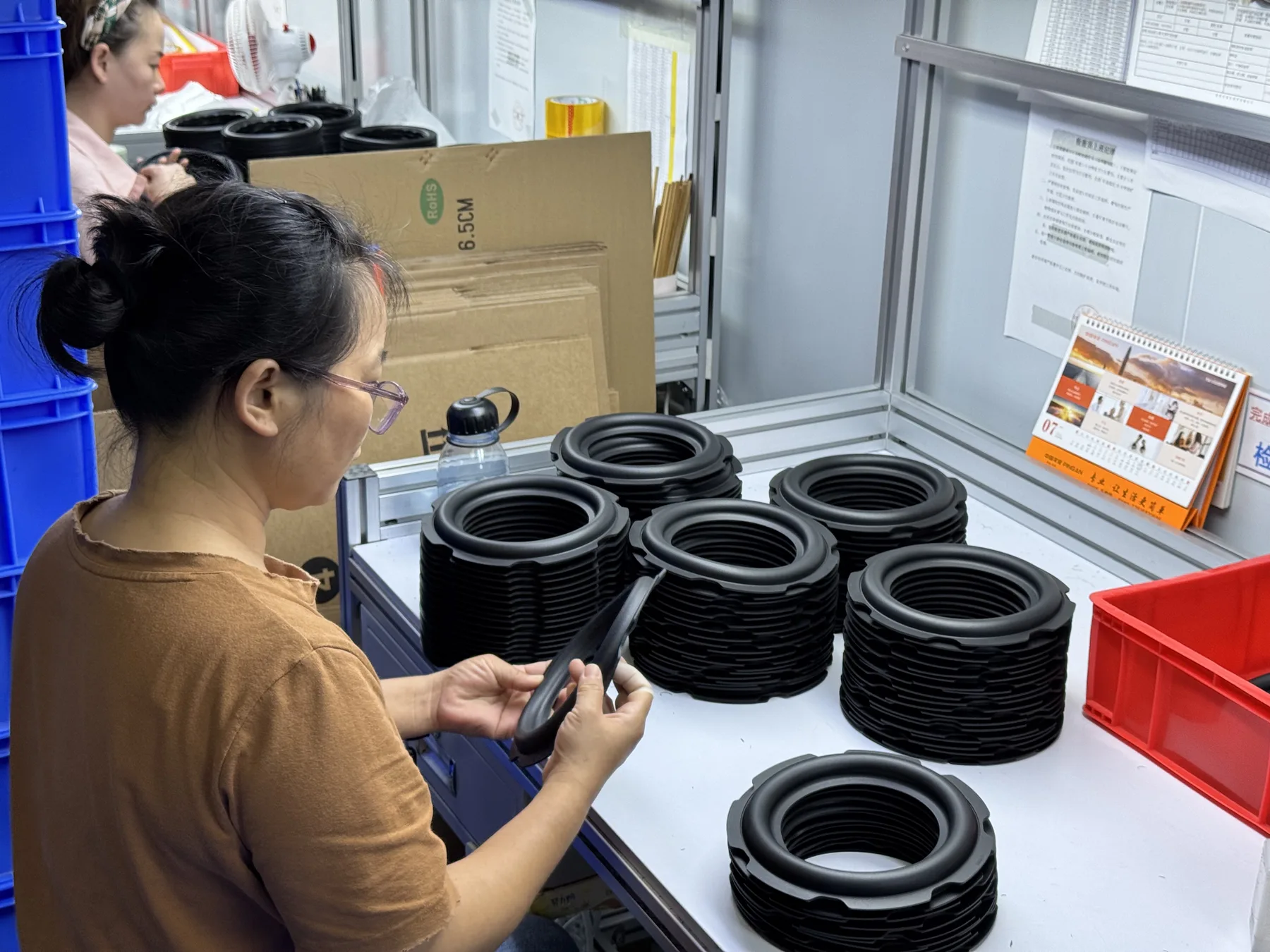
Appearance
Visual criteria can cover flash, trimming, contamination, surface damage and other agreed appearance risks.
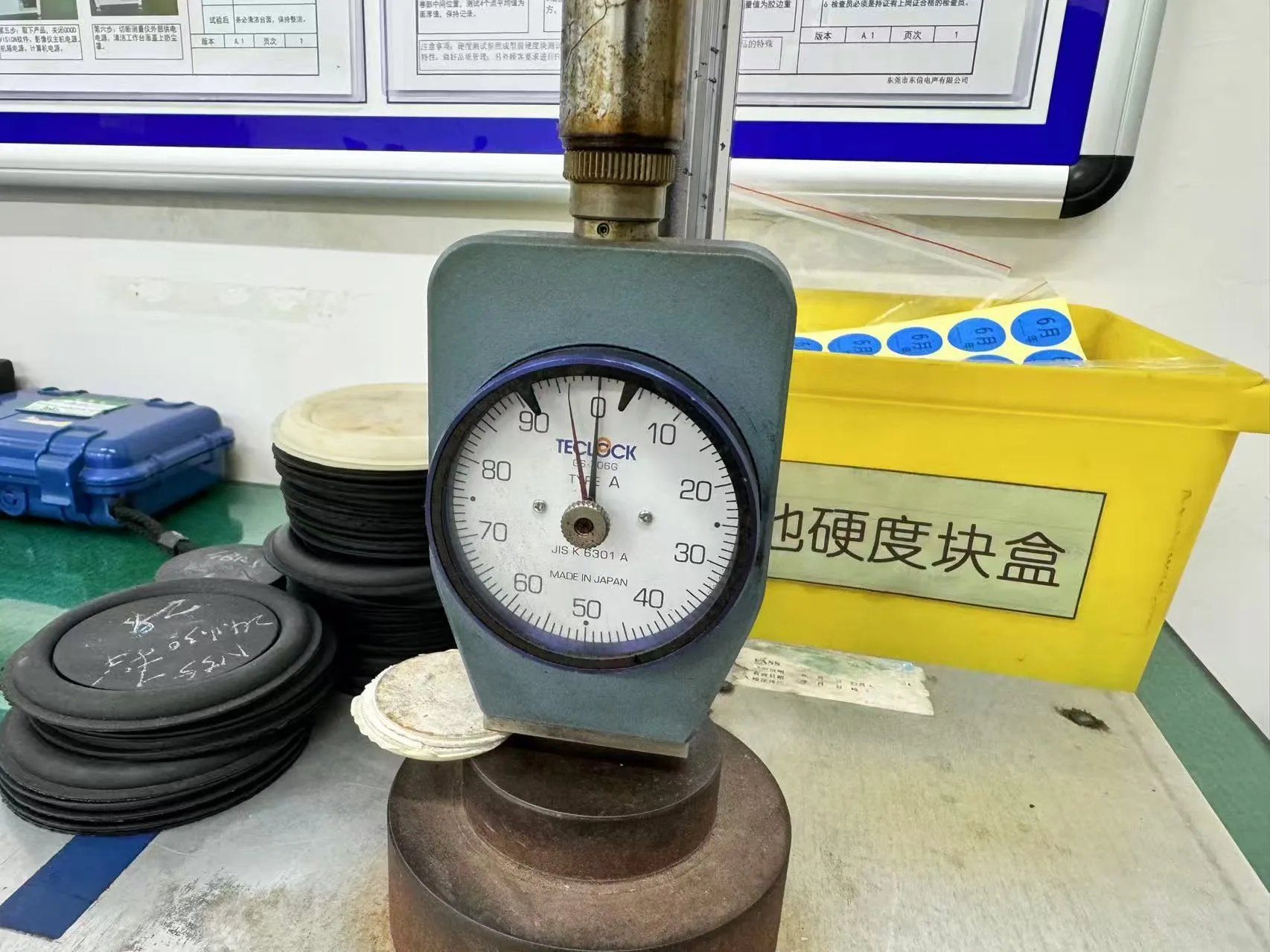
Material control
Hardness, cure or tensile checks are selected when they help control the approved material behavior.
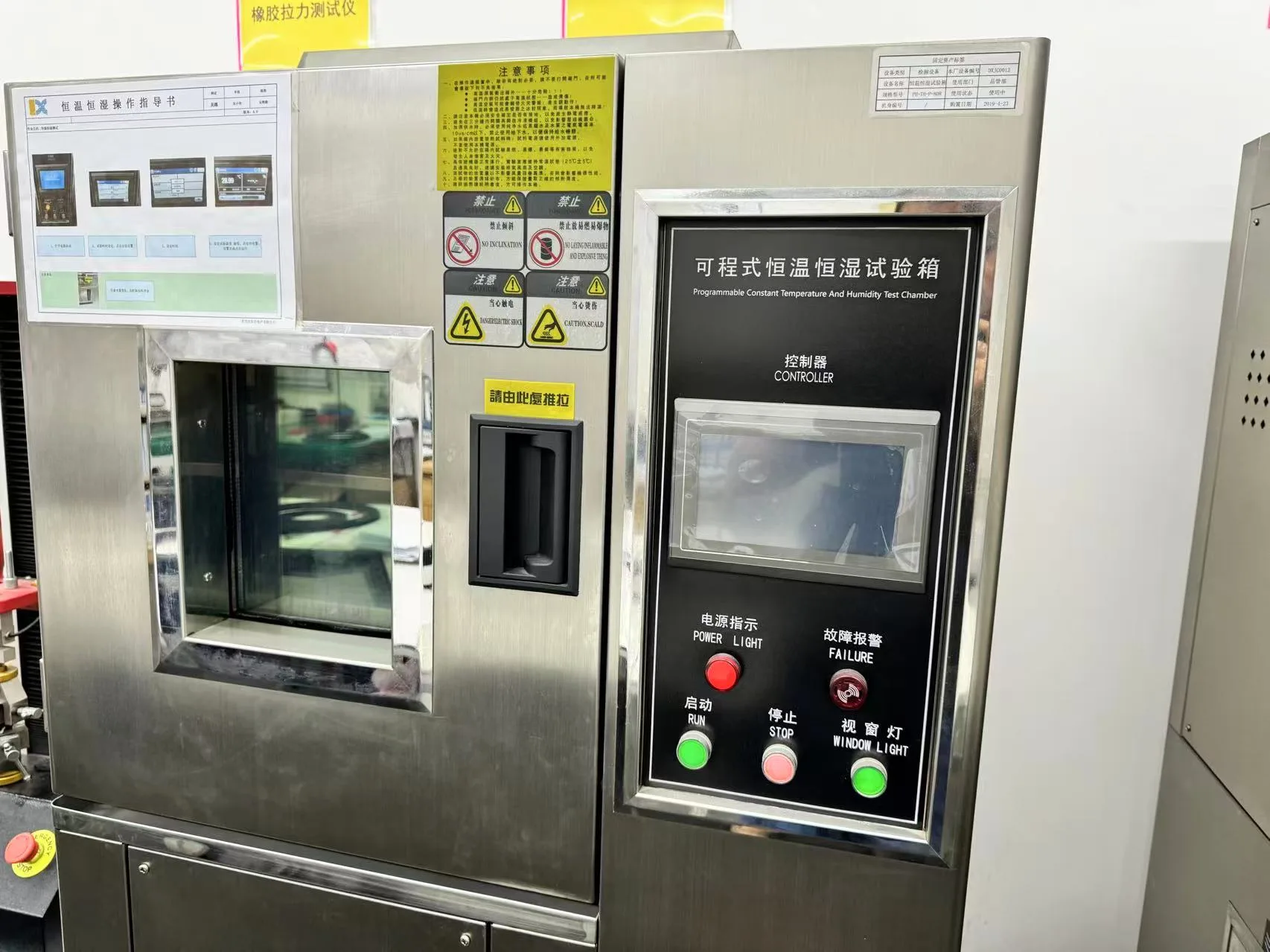
Application validation
Temperature, humidity, UV or other exposure tests need agreed conditions and acceptance criteria.
Project workflow
State the fit, appearance, material or environmental failure that matters.
Connect the risk to a drawing, approved sample or test requirement.
Use measurement, inspection or testing suitable for the requirement.
Review results, resolve exceptions and retain agreed evidence before shipment.
Explore the evidence
From sample or drawing to measurable tooling and approval criteria.
Review capabilitySee how material, tooling and process determine the production route.
Review capabilityDefine the baseline, inspection method and evidence required by the project.
Review capability