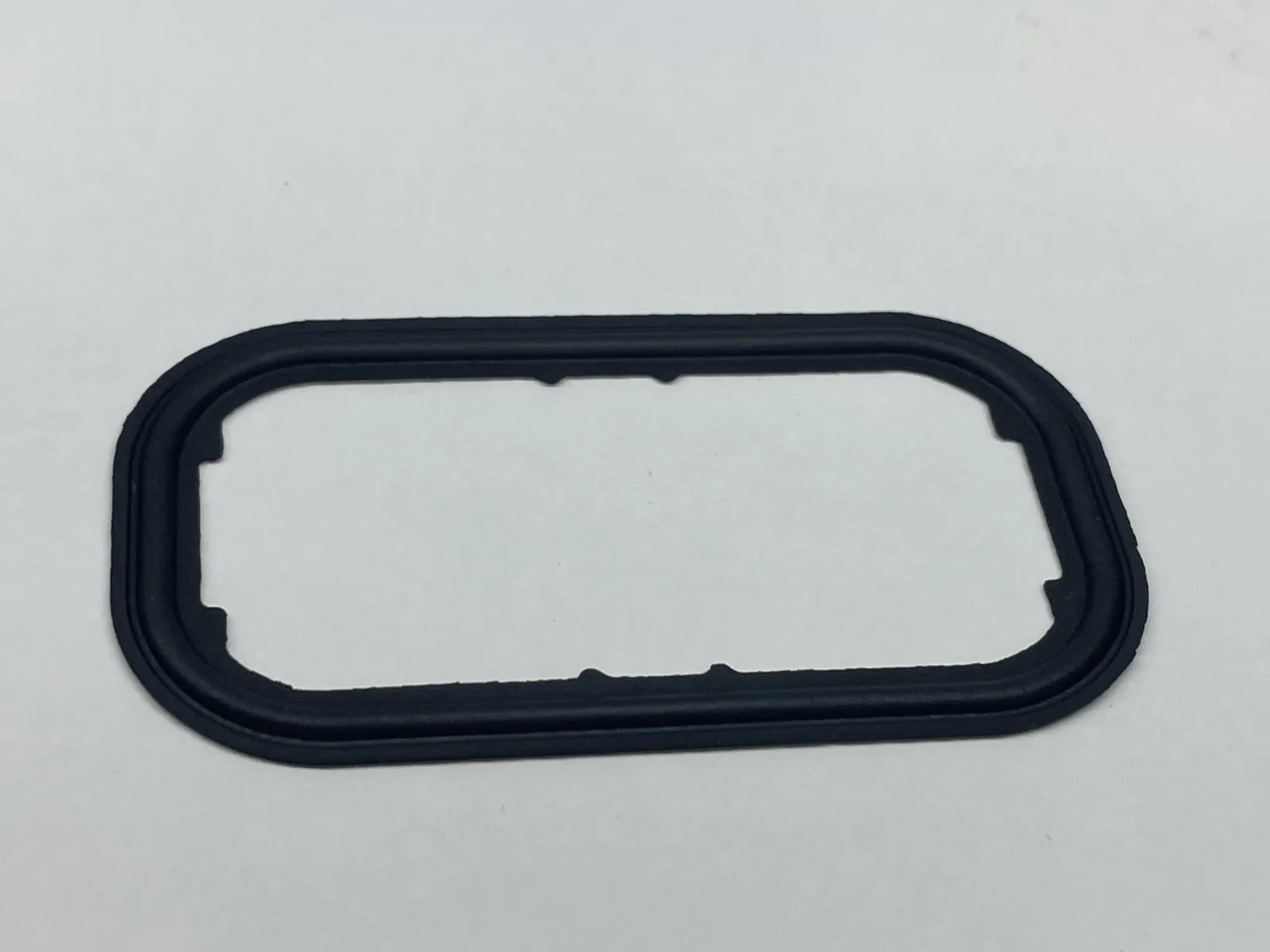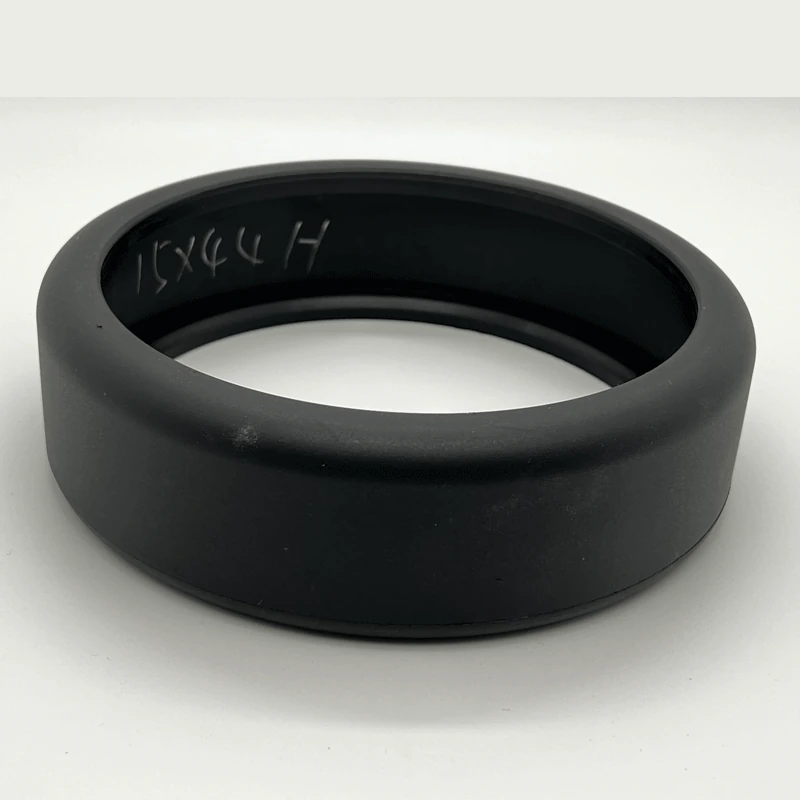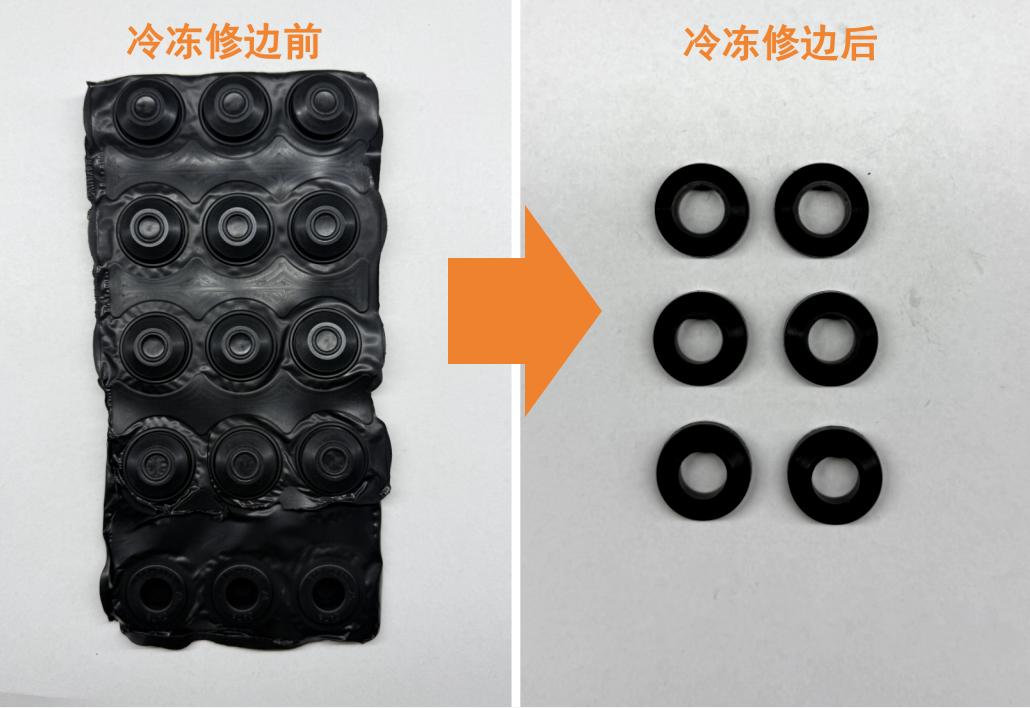
Flash on rubber gaskets looks minor but directly affects sealing and assembly. EPDM (ethylene propylene diene monomer) rubber is elastic and weather-resistant, widely used for automotive seals and industrial gaskets — but that same elasticity makes manual trimming slow and prone to nicking the part. We field-tested the Jishe 130Pro cryogenic deflashing machine on a batch of EPDM gaskets.
The machine
The Jishe 130Pro is the newest model in the Jishe line. Compared with the earlier 120, its chamber is larger and single-batch throughput is higher, which suits batch processing of small-to-medium rubber parts. The principle is standard cryogenic deflashing: liquid nitrogen chills the flash and embrittles it to a glassy state, then high-speed flexible media knocks the brittle flash off — without scratching the part surface.
The test
Liquid nitrogen embrittles the flash first, then the flexible media breaks it off piece by piece, processing the whole batch in one pass.
Results
Flash removal was thorough: the hard-to-reach spots — inner and outer rims and cross-section corners — came out clean with sharp profiles. The parts showed no scratches, dents, or deformation, and the rubber kept its original elasticity and sealing surface. Surface consistency across the batch was good, and yield improved accordingly.
Soft-rubber parts like seals, oil seals, and irregular vibration dampers have always been awkward to trim. With EPDM proven out, cryogenic deflashing handles these parts far more reliably.
Key points
Throughput: larger chamber than the 120, more parts per batch.
Result: low-temperature control plus flexible blasting removes flash without harming the part.
Operation: HMI interface, adjustable parameters.
Energy: optimized liquid-nitrogen use and blasting power consumption.